Part of our guide on Helmets and Safety Gear.
Rain changes a motorcycle ride in two ways at once: you get wet, and you see less. Water finds every gap in a jacket, gloves go cold and stiff, and a visor fogs from the inside just when you need to see clearly. Most rain-riding misery is not bad luck. It is gear that was never checked, a visor that was never treated, or a suit bought for light showers and taken into steady rain.
This guide shows how to pick motorcycle safety gear for rain, check it before you ride, and fix the leaks that soak you — suit, gloves, boots and visor, in the order that matters — so you arrive dry, warm and able to see.
Quick facts
| Fact | What it means for your ride |
|---|---|
| Problem this guide fixes | A rider soaked, cold or half-blind in rain because gear leaks, gloves wet through, or the visor fogs |
| Check first | Seams and zips, glove cuffs, boot tops, and the visor seal and vents |
| Most common causes | Unsealed seams, a suit that is water-resistant rather than waterproof, short glove cuffs, and a visor with no anti-fog layer |
| What you need | A waterproof suit, sealed gloves, waterproof boots or covers, and an anti-fog film |
| Related guides | Modular Motorcycle Helmets, Dual Sport Motorcycle Helmets, Half Helmets |
Quick recap
- Rain gear works only when every layer is waterproof: one leaking gap soaks the rest.
- A suit keeps the body dry; gloves and boots keep your hands and feet warm enough to control the bike.
- A clear visor matters more than any other single item: if you cannot see, nothing else helps.
- Check seams, cuffs and the visor before every wet ride.
- Dry your gear after the ride, or the next ride starts wet.
The short answer: a waterproof suit, sealed gloves and a fog-free visor
The short answer is that good rain gear is a sealed system, not a single jacket. A waterproof two-piece suit with taped seams keeps your core dry, waterproof gloves with long cuffs keep your hands warm enough to brake and steer, and an anti-fog film keeps your view clear. Buy waterproof, not merely water-resistant: water-resistant gear sheds a light shower and soaks through in steady rain. If you only fix one thing before your next wet ride, fix the visor.
The rest of this guide follows that rule: diagnosis finds the weak points, the reference section matches each symptom to its cause, and the later sections cover rain and temperature.
How to check your rain gear before you ride, step by step
Check your gear at home, in the dry — ten minutes is enough.
- Hold the suit up to the light and work every zip. Stitching you can see daylight through, lifted tape, or a zip that stops short with a curling storm flap are leaks waiting to happen.
- Put the gloves on and make a fist. The glove should close without pulling tight, and the cuff should reach well past your wrist: a short cuff leaves a gap where rain runs in.
- Check the boots from the top down. Water runs down your leg, so the boot top matters most. Look for cracked soles, split seams and a fastening that closes snugly around the calf.
- Open and close the visor. It should move smoothly and seal flat when closed. Breathe on the inside: if it fogs in seconds and stays fogged, the anti-fog layer is gone.
- Test with water before the road tests you. Stand under a shower or hose for one minute, then check inside the suit, gloves and boots for damp spots: any damp spot is a leak you can fix at home.
What you’ll need
The core item is a waterproof two-piece rain suit with taped seams, worn over your normal riding gear. Hi-vis colours and reflective strips are worth having, because rain and spray cut how far other drivers can see you.

What the symptom usually means
Wet gear tells you where it failed. Match what you felt to the cause below before you buy anything new.
| Situation | What you’ll notice | What to try |
|---|---|---|
| Shoulders and chest damp after ten minutes | The front of the jacket wets through first | Check the flap, then re-proof or replace the jacket |
| Sleeves wet from the cuff upward | Water creeps up the arm from the wrist | Wear gauntlet gloves over the cuff |
| Visor fogs within a minute of closing it | A milky film spreads from the bottom of the visor | Fit an anti-fog film and open the vents |
| Feet soaked after one puddle | Socks wet, boots heavy, feet cold | Waterproof boots or covers, trousers over the tops |
| Hands cold and stiff after twenty minutes | Braking and clutch feel clumsy, fingers ache | Waterproof insulated gloves, dried fully between rides |
How rain, speed and temperature change the answer
The same gear behaves differently in a light shower, in steady rain, and in a cold downpour. In light rain at town speeds, water-resistant gear and a quick visor wipe are enough. In steady rain at road speed, only fully waterproof gear with taped seams holds, because the wind drives rain into every zip and cuff. In cold rain, wet hands lose heat fast and cold fingers brake late, so the gear needs insulation as well as waterproofing — and fogging is worst in the cold, when warm breath meets a cold visor.
What works
- A fully waterproof suit with taped seams for steady rain at road speed
- Gauntlet gloves worn over the jacket cuff, so water runs off the glove instead of into the sleeve
- An anti-fog film on the visor, fitted before the ride, not during it
What to watch
- Water-resistant is not waterproof: it sheds a shower and soaks through in steady rain
- The first rain after a dry spell lifts oil off the road, so grip is at its worst when the rain starts
- Braking distances grow on wet roads, so leave a bigger gap to the vehicle ahead
Settings and controls that keep you dry and able to see
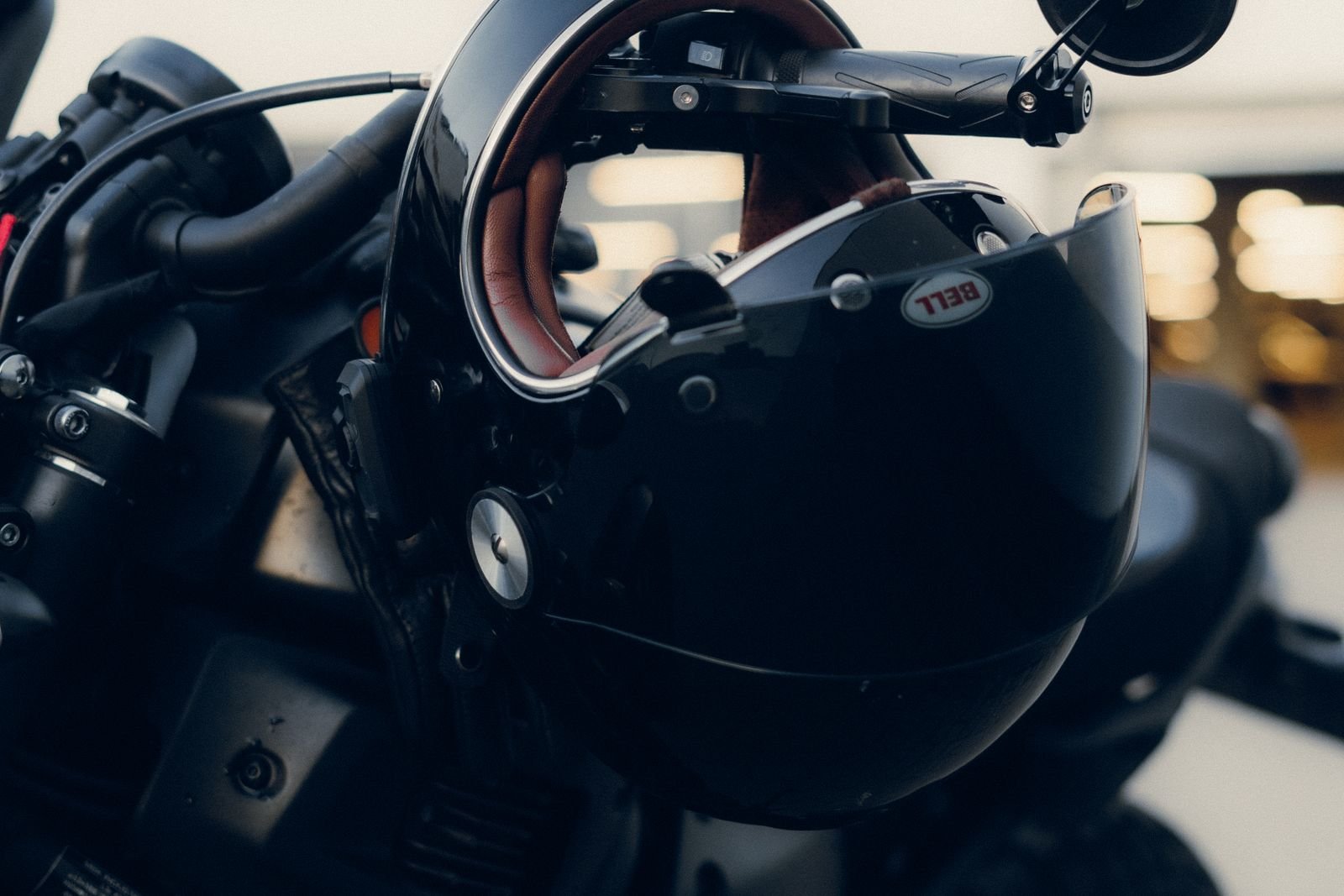
Rain gear has small adjustments that decide whether it works — set them before you ride, because you cannot fix a fogged visor or a leaking cuff at speed. Open the helmet vents before you set off, so air moves across the visor from the start. If it still fogs, crack the visor one notch, then close it again once it clears. Pull gauntlet gloves over the jacket sleeves, never under them, and fasten the wrist strap. Close the chest and leg vents in heavy rain, and open the back vent a little when the rain eases. Fasten boot covers over the boot tops and tuck the rain trousers over them, so water drips off the cover instead of into the boot.

What works
- Helmet vents open before you set off, so the visor starts clear and stays clear
- Visor cracked one notch to clear fog, then closed once the vents take over
- Gauntlet gloves pulled over the sleeves and fastened at the wrist
- Suit vents closed in heavy rain, back vent opened a little when the rain eases
What to watch
- A visor left cracked open in heavy rain lets water in faster than the vents can clear it
- Glove cuffs tucked under the sleeve channel rain straight to your hands
- Closing every vent traps sweat inside, so you end up wet from the inside
When a fix needs a part or a replacement
Some rain-gear problems are fixed in minutes with a cheap part; others mean the gear has reached the end of its waterproof life.
| Fix | Best use | Limit |
|---|---|---|
| Re-proofing spray on the suit | Suit wets out but does not leak yet | Will not fix lifted tape or torn membrane |
| Seam sealer on a leaking seam | One leaking seam, rest holds | Needs a clean, dry seam, a day to cure |
| Anti-fog film on the visor | Visor fogs every time you close it | Needs a clean, dry visor; scratched visors need replacing |
| New boots or boot covers | Boots with cracked soles or split seams | Covers help; a cracked sole lets water in below |
| A new suit | Membrane worn out, or leaks in several places | The priciest fix: try re-proofing and sealer first |

What works
- Re-proofing a suit that holds water but has lost its beading
- Seam sealer on the one leaking seam, applied on a dry day and left to cure
- An anti-fog film fitted at home on a clean visor
What to watch
- Re-proofing spray on a dirty suit does not stick: wash and dry the suit first
- A film over a scratched or dirty visor traps dirt underneath and makes vision worse
- A suit leaking in several places has a worn-out membrane: patching wastes money
The verdict
Rain gear works when it is a sealed system: a waterproof suit, sealed gloves, dry boots and a fog-free visor, checked before every wet ride. Spend your money on the leak you actually have, and dry the gear after the ride.
Readers also ask
Can I ride a motorcycle in heavy rain?
Yes, if your gear is fully waterproof and your visor stays clear, but slow down, leave a bigger gap, and pull over if standing water hides the road or lightning starts.
What is the difference between waterproof and water-resistant gear?
Waterproof gear has a membrane and taped seams, so it holds out steady rain. Water-resistant gear has a coating that sheds light rain and soaks through when the rain keeps falling. Buy waterproof.
How do I stop my motorcycle visor fogging up in the rain?
Fit an anti-fog film on a clean, dry visor before you ride, and open the helmet vents before you set off. If it still fogs, crack the visor one notch until it clears.
Do I need waterproof boots, or are covers enough?
Covers are enough if your boots are sound and only lack waterproofing. If the soles are cracked or the seams are split, water gets in from below: replace the boots.
How do I dry motorcycle gear after riding in the rain?
Hang the suit and gloves in moving air, open all vents and zips, and stuff boots with newspaper. Never dry gear on a radiator or with direct heat: it cracks membranes and stiffens leather.
Additional Details
Name: Motorcycle Safety Gear for Rain: How to Stay Dry and Safe
Description: Motorcycle safety gear for rain: pick a waterproof suit, sealed gloves and a clear visor, check your gear before you ride, and fix leaks before they soak you.
Published: November 17, 2026