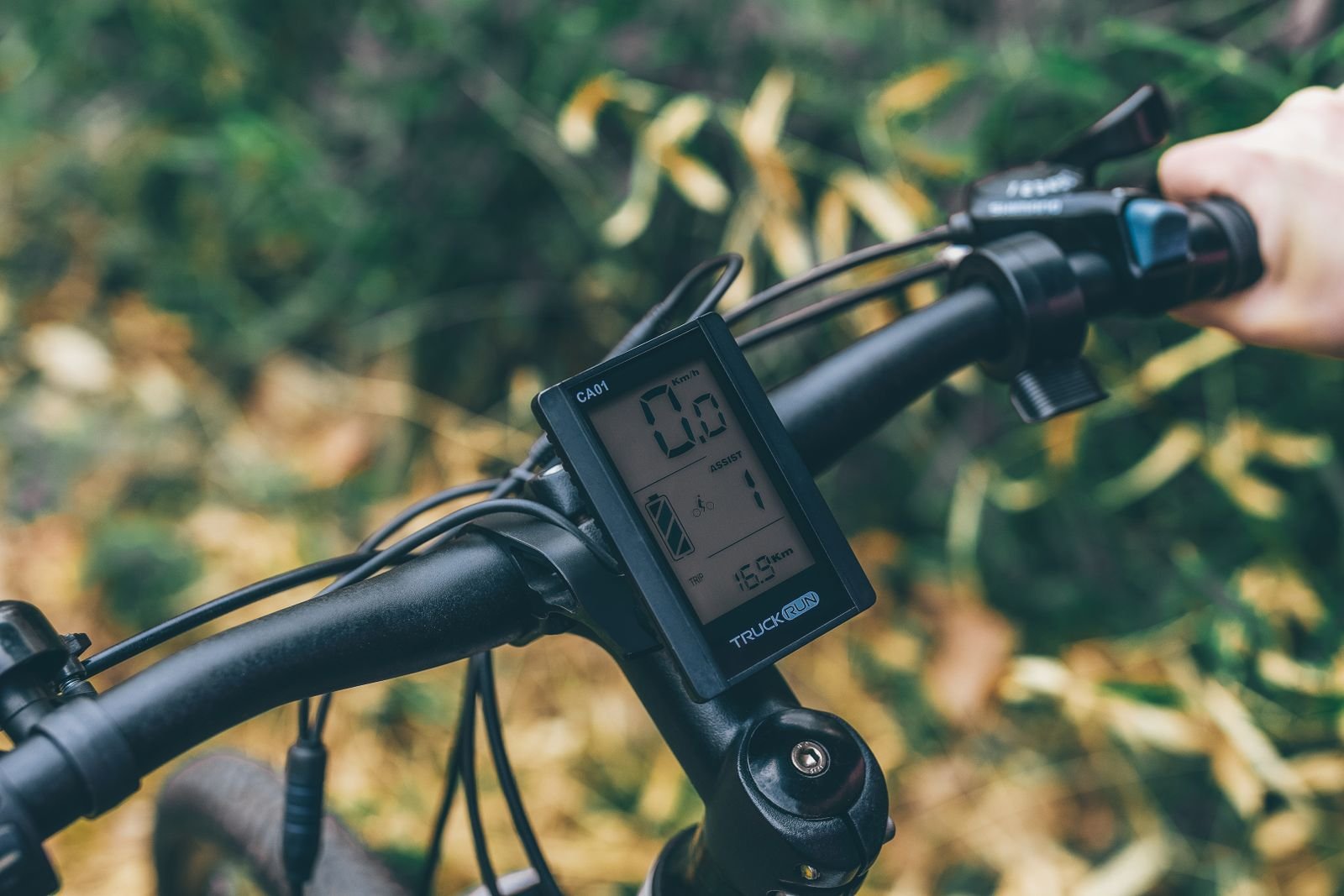
Your display lights up, but where the speed should be there are only dashes — and the motor gives you nothing. Dashes mean the display has no data to show, and there are only two reasons for that: the controller has no speed signal, or the display and the controller have stopped talking to each other. Which one you have changes the whole fix, and the test that tells them apart takes about a minute. More e-bike fault guides live on the E-Bikes hub.
The formula: dashes mean the display has no data to show
Think of it as a simple formula: dashes = the display has no data to show. The display itself is working — it has power, it lights up, it is asking for numbers. What it is missing is either the speed signal or the conversation with the controller. That gives you the two branches this whole article turns on. Branch one: dashes where the speed should be, but the assist still works. The controller has no speed signal, so the speed field stays blank — the fault is the magnet, the speed sensor or its cable. Branch two: dashes or no data everywhere, and no assist at all. The display and the controller are not communicating, so nothing gets through — the fault is a connector or the harness between them. No source defines a “dashes” code. Dashes are a symptom, not an error code, and the codes that do appear alongside them — the 30 family and Bafang 21 — point at the two branches, not at the dashes themselves.
The code table: the 30 family vs the speed sensor
Use this table to match what your display shows to the branch you are in.
| Code | System | What the display shows | What it means |
|---|---|---|---|
| 30 | Rad Power | Shows 30, freezes, or shows no data; no assist | The display and controller are not communicating |
| 30 | Bafang | Communication fault | Power off, then check every connector for looseness, corrosion, bent pins or dirt |
| 30 | King-Meter / KD | Abnormal communication | Power cycle, then with the power off unplug and reseat every quick connector: display, controller, motor |
| 21 | Bafang | Speed reading missing or wrong | Speed sensor fault — check the sensor magnet on the spoke is lined up with the sensor and not clogged |
| — | Shepherd fault families | Communication fault, no code shown | Check the display cable for cuts, crush points and water; a display made for a different protocol gives a permanent code |
The numbers that matter
Four numbers carry this whole fault. 2 branches: no speed signal, or no communication — and everything in this article hangs off which one you are in. 3 connectors to check: the display, the controller and the motor, in that order, reseated with the power off. 0 codes that mean “dashes”: no manufacturer defines a dashes code, so a display showing dashes is reporting a missing signal, not a fault of its own. And the costs, which are Rad Power’s figures for its own bikes and labelled as such: a replacement harness runs about USD 30–50, a display about USD 80–130, and a controller about USD 100–150. The order matters — the cheapest part is also the most likely fault, so check the harness before you buy a display.

What causes dashes, ranked
Most likely first. 1. The display connector at the handlebar is loose or wet. Rad Power’s guide for error 30 is blunt about this: a display that powers on but shows 30, freezes or shows no data, with no assist, is almost always the display connector at the handlebar or a damaged harness wire. The connector lives where rain, washing and handlebar work all reach it. 2. The harness wire is damaged. Shepherd’s communication family points at the display cable itself — cuts, crush points and water along its run. A wire pinched where the handlebar turns, or crushed under a rack bolt, breaks the conversation. 3. The speed sensor magnet has moved or is clogged. This one belongs to branch one only, where the assist still works and only the speed is dashed. Bafang 21 is a speed sensor fault, and the check from the EggRider manual and the Whizz guide is to see that the sensor magnet on the spoke is lined up with the sensor and not clogged with mud. 4. The wrong display for the bike’s protocol. Shepherd notes that a display made for a different protocol gives a permanent code — that is a wrong part, not a failure, and no amount of reseating will clear it. 5. The controller-end connectors are loose. Rad’s fix list ends here: if you can reach them, check the connectors at the controller end too.
Worked example: dashes and no assist after a wet ride
Take a common case. You rode in the rain yesterday, or you washed the bike, and this morning the display powers on, shows dashes where the speed should be, and the motor gives no assist. That is branch two — no data anywhere, no assist — so start at the display connector. Switch the bike off. Unplug the display connector at the handlebar and look inside for water and bent pins. Clean it, dry it, and re-seat it with the collar locked. Power on and check. If the dashes are gone, the fault was water in that connector. If they are still there, wiggle the harness with the bike on — an intermittent break will flicker the display as you move the wire, and that tells you where the break is. Then check the connectors at the controller end, if you can reach them. If the display comes back at any point in this sequence, the last connector you touched was the fault. If nothing brings it back, the harness itself is the suspect, and at about USD 30–50 on Rad’s figures it is the cheapest part to replace first.

Why “the display is dead” is optimistic
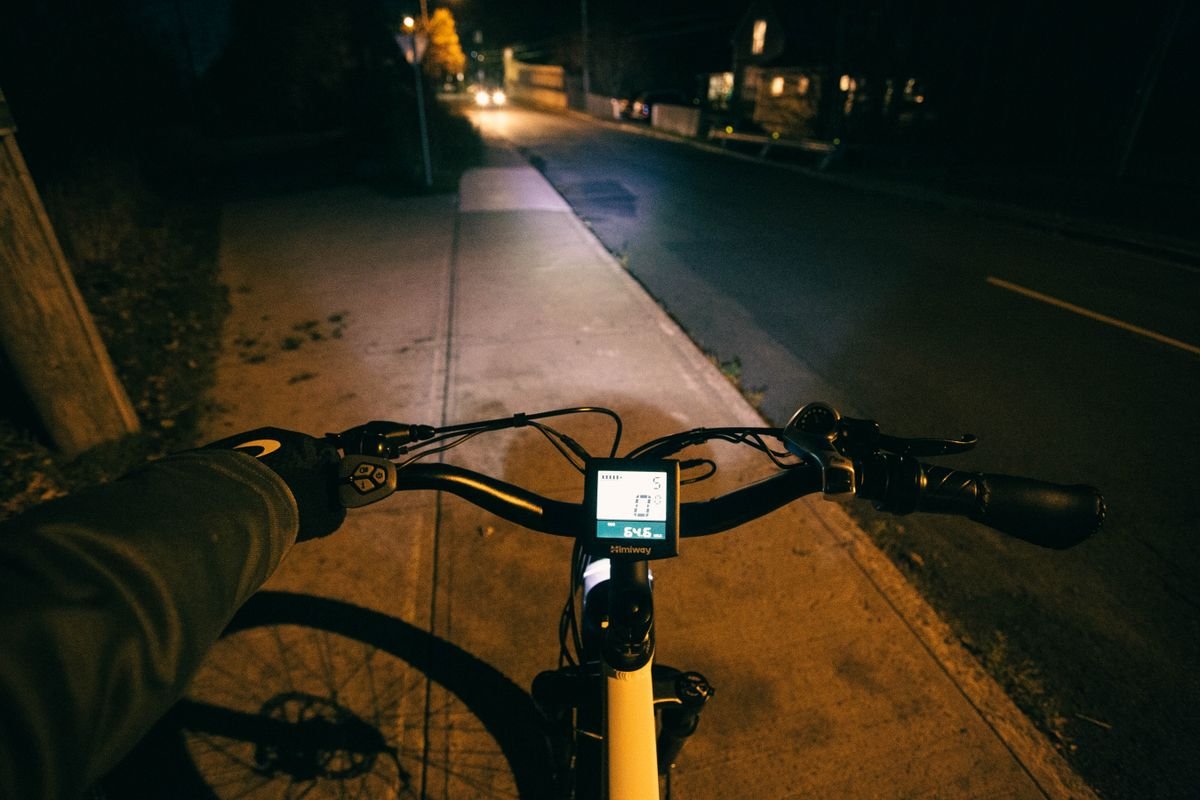
It is tempting to blame the display, because the display is where the dashes are. But a lit display showing dashes is a working display. It has power, it has turned on, and it is asking for data it is not getting. A dead display shows nothing at all. That distinction is worth money: on Rad’s figures a replacement display runs about USD 80–130, while the fault is usually a connector that costs nothing to reseat or a harness at about USD 30–50. Rad’s own advice points the same way — contact Rad support with a video of the error before buying parts. Rad gives a 1-year limited warranty on electrical parts, and 2 years on some newer models and regions, so a video to support before you spend anything is the cheapest step in this whole fault.
5 ways to keep dashes away
1. Seat the display connector fully after any handlebar work. Push it home until the collar locks. A connector that is only half seated will work on smooth roads and fail on bumps. 2. Keep water out of the connectors. Dry the bike after wet rides, and do not aim a hose at the handlebar. Water in the display connector is the usual cause of a communication fault after rain or a wash. 3. Route the harness so it cannot chafe or get crushed. Give it slack where the handlebar turns, and keep it clear of rack bolts and clamps — crush points and cuts are the Shepherd family’s first suspects. 4. Keep the speed magnet lined up and clear. Check the magnet on the spoke is lined up with the sensor and not clogged with mud, so the controller always has a speed signal to show. 5. Match the display to the bike’s protocol. A display made for a different protocol gives a permanent code that no amount of reseating will clear, so check compatibility before you buy a replacement.

How much diagnosis do you actually need?
Less than you think. If the assist still works and only the speed is dashed, you are in branch one: check the magnet and the sensor, a five-minute job, and you are done. If nothing works, you are in branch two: work the connectors in order — display, controller, motor — switching the power off whenever you unplug anything. If the display comes back when you reseat a connector, that connector was the fault. If it never comes back, it is a part, and the order to try them is the order of Rad’s prices: harness first at about USD 30–50, then the display at about USD 80–130, then the controller at about USD 100–150. And before you buy any of them, Rad’s own advice is to send support a video of the error — a thirty-second clip can save you buying the wrong part.
The verdict
Dashes are the display telling you it has no data, not that it is dead. Two branches, one minute to tell them apart — assist still works means a lost speed signal, nothing works means a broken display link — and the fix is usually a connector, not a new display.
Readers also ask
Do dashes mean my display is broken?
No. A lit display showing dashes has power and is working — it is missing data. A broken display shows nothing at all. Check the connectors and the harness before you buy a new display.
Can I still ride with dashes on the speed?
If the assist still works and only the speed is dashed, the bike will ride, but the controller has no speed signal — so the speed reading, and anything that depends on it, is missing. Fix the magnet and sensor first; it is a five-minute job.
What does Rad error 30 mean?
Rad error 30 means the display and the controller are not communicating. The display powers on but shows 30, freezes, or shows no data, and there is no assist. Rad’s guide says it is almost always the display connector at the handlebar or a damaged harness wire.
Why did dashes appear after I washed the bike?
Water in the display connector is the usual cause after rain or a wash. Switch off, unplug the connector, check for water and bent pins, clean it, dry it, and re-seat it with the collar locked.
How much does a new harness cost?
On Rad Power’s figures, a replacement harness runs about USD 30–50, against about USD 80–130 for a display and USD 100–150 for a controller. Those are Rad’s prices for its own bikes, not universal figures.
My display shows dashes only on the speed — is that the same fault?
No. Dashes only where the speed should be, with assist still working, is the speed-sensor branch: the magnet on the spoke, the sensor, or its cable. Dashes everywhere with no assist is the communication branch, and that is a different fix.
Additional Details
Name: E-Bike Display Shows Dashes, No Speed, No Assist: What It Means
Description: E-bike display shows dashes, no speed and no assist? Learn the two causes — a lost speed signal or a broken display link — and how to tell them apart.
Published: November 23, 2026