Part of our guide on E-Bikes
You rode through rain, parked the bike, and came back to a display that powers on but shows error 30 — or freezes, or shows no data at all. The motor gives no assist, and the first thought is usually the worst one: the display is dead, the controller is fried, or the rain has ruined the bike.
Error 30 is almost never that bad. It means the display and the controller have stopped communicating, and the cause is almost always the display connector at the handlebar or a damaged harness wire — both cheap to check and often free to fix. This guide takes the eight most common claims about error 30 after rain, corrects each one, and ends with the checklist that actually finds the fault.
The short answer
Short answer: error 30 means the display and controller are not communicating. After rain, the most likely cause is water in the display connector at the handlebar, or a harness wire damaged at the head tube or where it enters the frame. Switch the bike off, unplug the display connector, check for water and bent pins, clean it, dry it, and re-seat it with the collar locked. You can pedal home while the assist is blocked. If the code keeps coming back, contact Rad support — they will usually send a display or a harness.
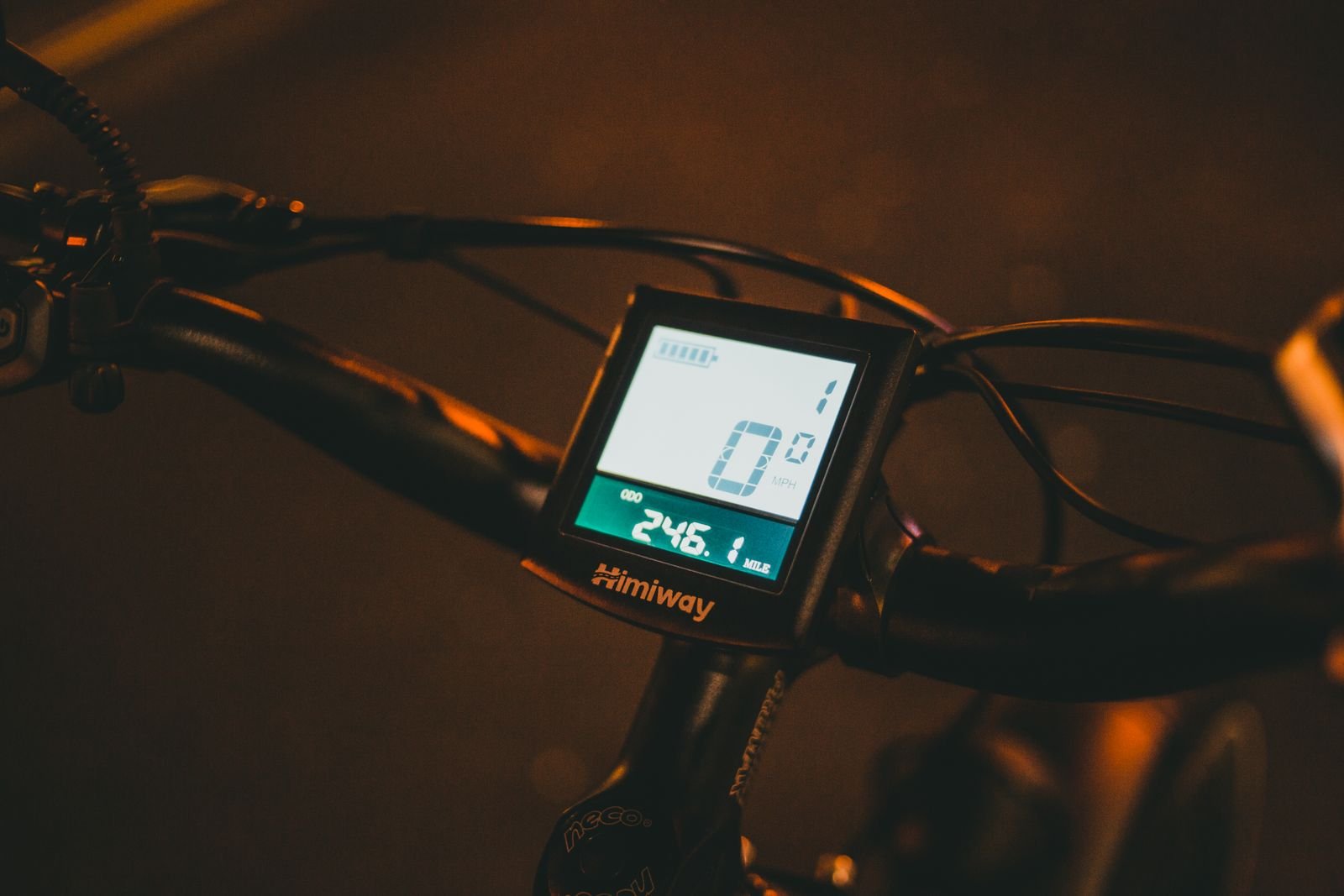
Photo by Erik Mclean on Pexels.
Rule of thumb: error 30 after rain is a connection problem until proven otherwise — dry and reseat the plug before you price a single part.
Myth 1: “Error 30 means the display is dead.”
Fact: a dead display shows nothing. Error 30 is the opposite: the display powers on, then shows 30, freezes, or shows no data. That is a display that works but cannot talk to the controller. The fault is almost always the display connector at the handlebar or a damaged harness wire, not the display itself. A display that lights up and then complains is telling you its connection is broken, not that it has failed.
Practical tip: reseat the connector before you price a new display — a display costs $80–130, and a reseat costs nothing.
Myth 2: “Error 30 means the controller has failed.”
Fact: error 30 means the display and the controller are not communicating — it does not say which side stopped. A failed display port or controller port is possible, but it is the last cause on the list, after a connector not fully seated or wet, a harness wire damaged at the head tube or where it enters the frame, and a bent pin in the display connector. Jumping straight to the controller means buying the most expensive part — about $100–150 — for a fault that is usually a plug.
Practical tip: work the list in order: connector, harness, pins, then ports. The controller is the last suspect, not the first.
Myth 3: “Rain ruined the bike — it needs replacing.”
Fact: rain gets water into the display connector, and water in a connector breaks the signal between the display and the controller. That is a wet plug, not a ruined bike. Switch the bike off, unplug the display connector, check for water and bent pins, clean it, dry it, and re-seat it with the collar locked. Most rain-caused error 30 cases end there, with no parts bought and nothing replaced.
Practical tip: dry the plug properly before you reseat it — a damp connector will throw the same code again on the next ride.

Myth 4: “The bike is dead — you can’t get home.”
Fact: error 30 blocks the assist, but it does not block the pedals. The bike still rolls and pedals like a normal bicycle, so you can pedal home. That matters more than it sounds: it means you do not need a rescue, a tow, or a roadside repair. Ride home gently, keep the speed down, and fix the connector where it is dry and you have light — not at the side of a wet road.
Practical tip: pedal home first, diagnose second. A dry garage beats a wet kerb for every check in this guide.
Myth 5: “You need a new display right away.”
Fact: a new display is the last resort, not the first step. Try the reseat first, then the wiggle test, then the controller-end connectors if you can reach them. If the fault is still there, contact Rad support — they will usually send a display or a harness. A display costs about $80–130 and a harness about $30–50, so guessing wrong is expensive. Let Rad decide which part it is, with a video of the error, before you buy anything.
Practical tip: film the error before you call — a short video of the display showing 30 is what Rad support asks for.
Myth 6: “Wiggling wires is useless — or dangerous.”
Fact: wiggling the harness with the bike on is the diagnostic for an intermittent break. A harness wire damaged at the head tube or where it enters the frame often works when the bars are straight and fails when they turn, because the break only opens at one angle. Switch the bike on, wiggle the harness slowly, and watch the display: if the code clears and returns as you move the wire, you have found the break. It is a test, not a repair — but it tells you exactly where the fault is.
Practical tip: wiggle slowly, one section at a time, and watch the display the whole time. A fast shake tells you nothing.

Myth 7: “Error 30 is an official Rad fault code with a published fix.”
Fact: it is not an official Rad document. This guidance is compiled from workshop experience: riders and mechanics who have seen error 30, traced it, and fixed it. Rad publishes no official definition of error 30 and no official fix procedure for it. That does not make the guidance wrong — the connector-first fix matches how the fault behaves — but it does mean you should treat it as experienced advice, not a factory manual, and confirm anything you are unsure about with Rad support.
Practical tip: if a guide claims an official Rad error 30 document, ask for the link. There is not one.
Myth 8: “Any shop can fix it under warranty.”
Fact: Rad’s warranty is a 1-year limited warranty on electrical parts — 2 years on some newer models and regions — and it is Rad who decides what is covered, not a local shop. The right order is: film the error, contact Rad support with the video, and let them decide whether to send a display or a harness. Buying parts first and claiming later is the wrong way round, and a shop repair does not replace Rad’s own process.
Practical tip: film the error, then call Rad. The video is the evidence that starts the warranty conversation.
The error 30 checklist
Run this list in order after rain. Stop at the first step that clears the code — most cases end at step two or three.
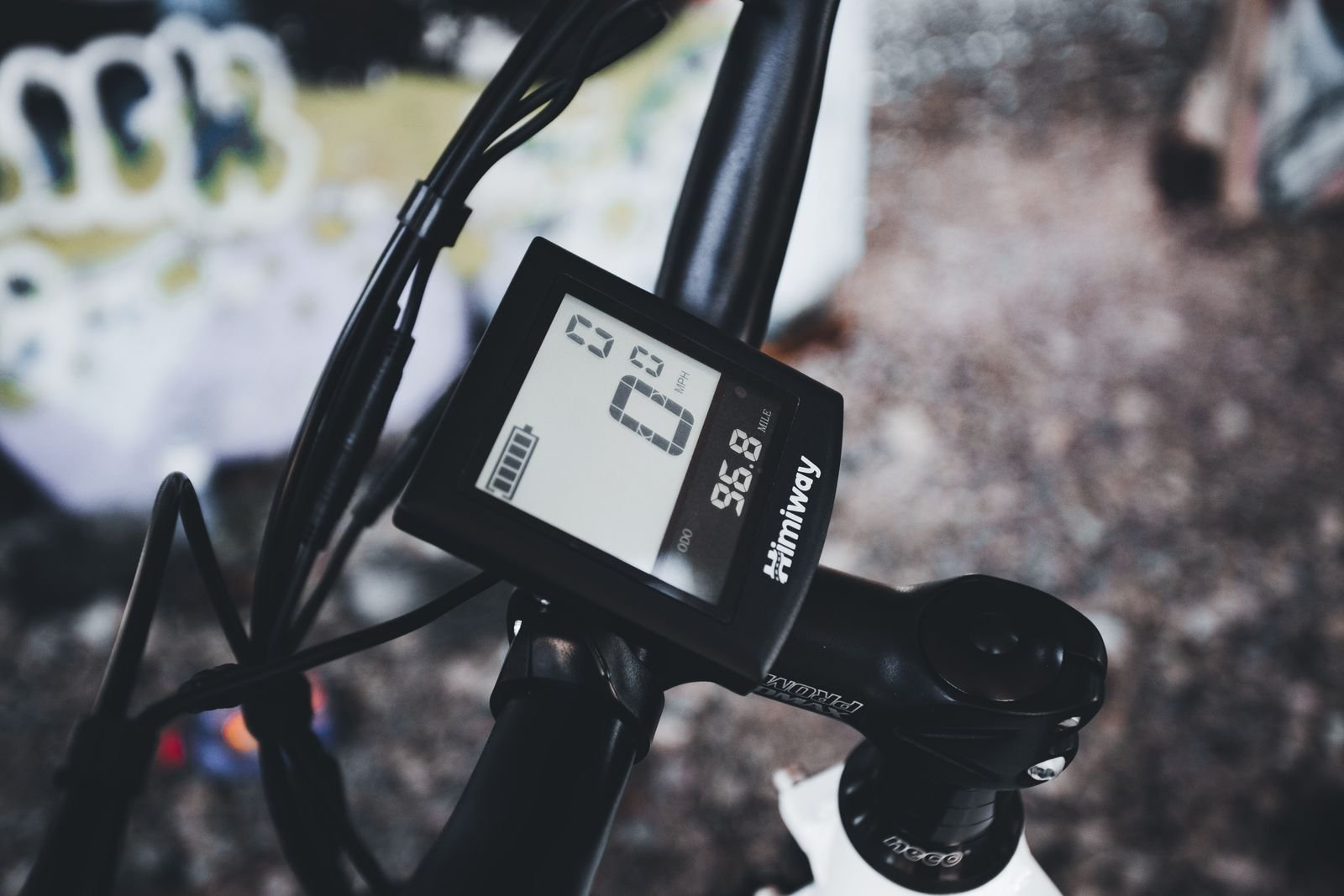
Photo by Erik Mclean on Pexels.
1. Switch off. Power the bike down before you touch any connector.
2. Unplug the display connector. Find the plug at the handlebar and separate it.
3. Check for water and bent pins. Look inside both halves of the plug. Water, grit, or a pin bent sideways all break the signal.
4. Clean and dry. Wipe the plug dry and let it air out. Do not reseat a damp connector.
5. Re-seat with the collar locked. Push the plug together until the collar locks. A half-seated plug throws the same code as a wet one.
6. Power on and test. Switch on, check the display shows data, and test the assist.
7. Wiggle the harness. With the bike on, wiggle the harness slowly at the head tube and where it enters the frame. If the code flickers, the wire is damaged there.
8. Check the controller-end connectors. If you can reach them, check the plugs at the controller end the same way — seated, dry, pins straight.
9. Contact Rad support. If the code is still there, film the error and call Rad. They will usually send a display or a harness. A harness costs about $30–50, a display $80–130, a controller $100–150 — but let Rad decide which one it is.
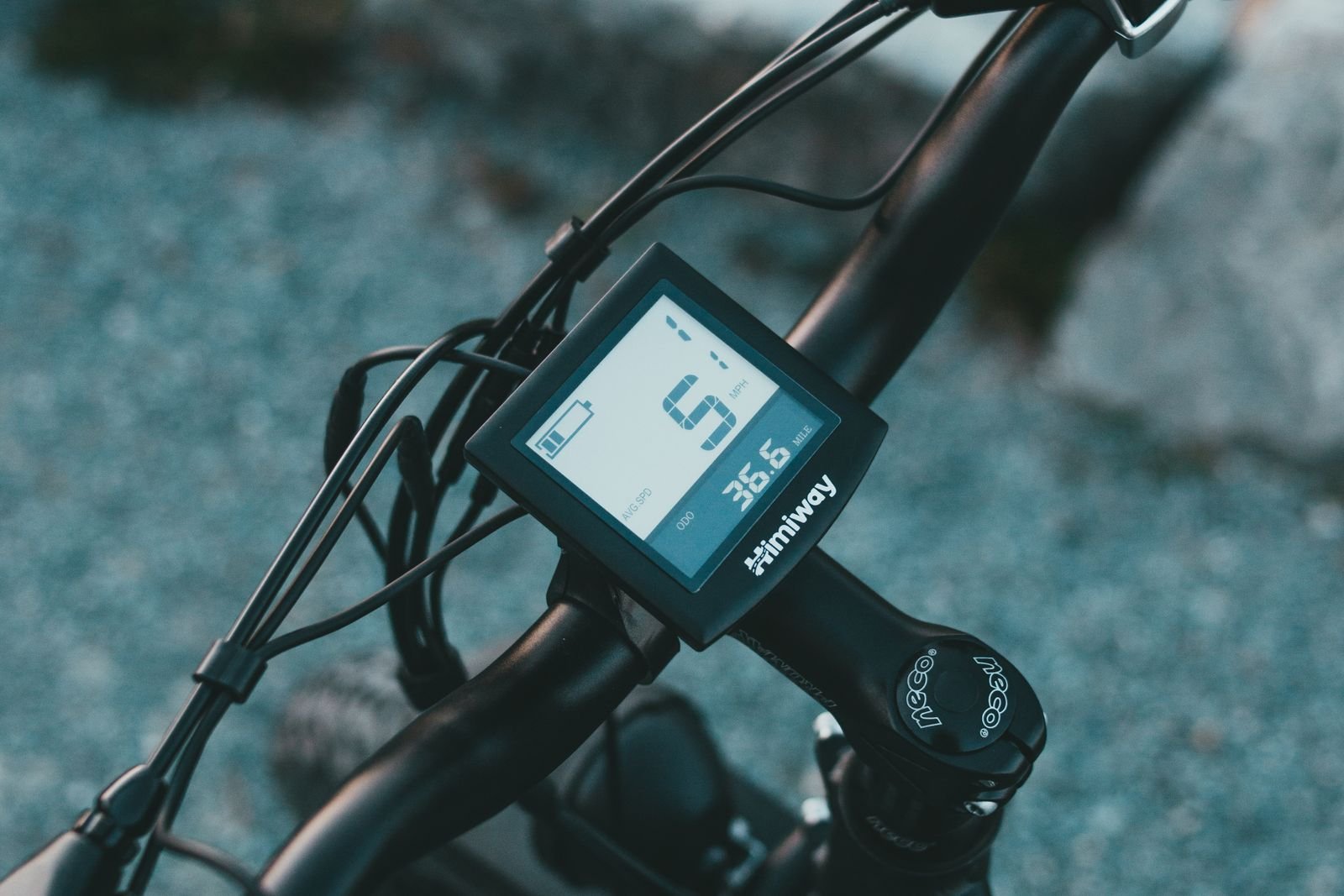
Photo by Erik Mclean on Pexels.

Readers also ask
What does Rad error 30 mean?
Error 30 means the display and the controller are not communicating. The display powers on but shows 30, freezes, or shows no data, and there is no assist.
Why does error 30 appear after rain?
Rain gets water into the display connector at the handlebar, which breaks the signal between the display and the controller. Dry the plug and reseat it with the collar locked.
Can I ride home with error 30?
Yes — the assist is blocked, but you can pedal home like a normal bicycle. Fix the connector where it is dry.
How much does it cost to fix error 30?
A harness costs about $30–50, a display $80–130, and a controller $100–150. Most cases cost nothing — a dry reseat fixes them. Contact Rad support with a video before buying parts.
Is error 30 covered by warranty?
Rad’s warranty is a 1-year limited warranty on electrical parts, 2 years on some newer models and regions. Film the error and contact Rad support first.
The verdict
Error 30 after rain is a wet connector or a damaged harness wire, not a dead bike. Dry the plug, reseat it with the collar locked, wiggle-test the harness, and pedal home if the assist stays off. If the code keeps coming back, film it and call Rad support — and do not buy a display or a controller until they tell you which part it is.
Additional Details
Name: Rad Power Bikes Error 30 After Rain: Display Communication Fix
Description: Rad Power Bikes error 30 after rain? Error 30 means the display and controller stopped talking — usually a wet connector. The myths, the fix, and the costs.
Published: November 23, 2026