Straight answer: For beginners, the fat mountain bike is the better first bike. Wide tyres grip and balance at low speed, the bike forgives wobbles and mistakes, and it builds confidence instead of fear. An enduro bike is faster and more capable — but it demands speed and commitment a first-season rider does not have yet.
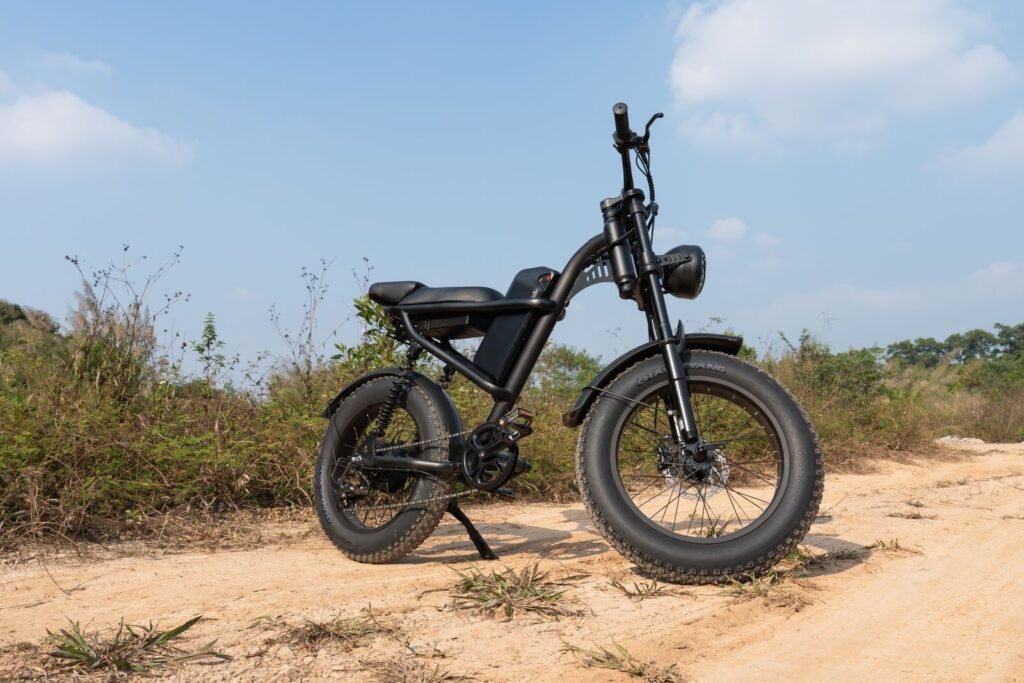
- Fat tyres are about 4 inches wide, so they grip and stay steady at walking pace.
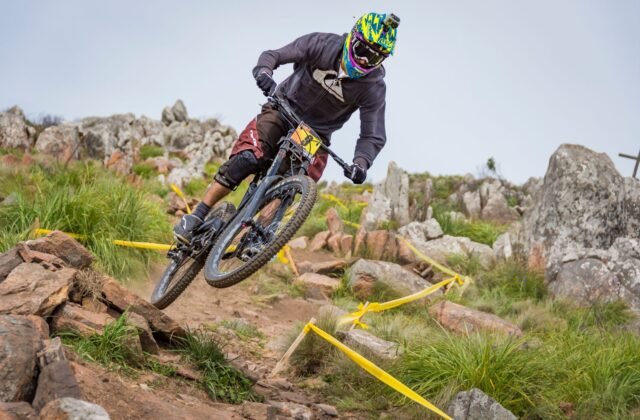
- Enduro bikes are built for steep, fast descents — a lot of bike for a first season.
- Beginners need forgiveness, not speed, and fat tyres forgive more mistakes.
That said, it depends on where you ride. If you start on steep bike-park trails with experienced friends, an enduro bike can make sense. For most first-time riders on rolling trails, the fat bike is the safer, happier choice.
Introduction
Starting mountain biking is hard enough without the wrong bike. You are learning balance, braking, and line choice all at once, and the bike you pick decides how much the trail punishes your mistakes.
A fat mountain bike runs tyres about four inches wide at low pressure, so it floats over soft ground and stays upright at walking pace. An enduro bike is a long-travel machine built for steep, rough descents. This guide, part of our Mountain Bikes Hub, compares the two for a beginner’s first season, then gives you a simple test you can run yourself before you spend money.
You will also learn how to set up your first bike for easy learning, and what to do if you already bought the wrong one. If you want the enduro side of the argument first, see our Trail Mountain Bike vs Enduro Mountain Bike guide.
Enduro Mountain Bike vs Fat Mountain Bike: The Comparison
Start with the bones of each bike. The table below compares the two as they are normally sold and ridden, before any upgrades or setup changes.
| Attribute | Enduro Mountain Bike | Fat Mountain Bike | What to watch |
|---|---|---|---|
| Tyre width | Narrow, 2.3–2.6 in | About 4 in (fat) | Fat tyres need wider rims. |
| Suspension travel | About 150–180 mm | Often rigid, or about 100 mm | Fat tyres act like suspension at low pressure. |
| Weight | Heavy, often 14–16 kg | Heavy too, often 13–15 kg | Both are heavy. |
| Stability | Fast and stable at speed, twitchy at walking pace | Very stable at low speed | Beginners ride slowly, so low-speed stability wins. |
| Learning curve | Steep — demands speed and commitment | Gentle — forgiving of mistakes | A bike that forgives teaches faster. |
| Best terrain | Steep, rocky, fast descents | Soft sand, snow, loose trails | Fat bikes also shine on sand and snow. |
| Cost to start | Usually higher | Often lower for a first bike | Check demo or rental prices near you. |
When the Answer Changes
Change the trail or the rider, and the winner changes with it:
- Steep bike-park riding: if your first rides are lift-served descents, the enduro bike’s travel and geometry win.
- Tall, athletic, confident rider: a strong beginner with good balance can start on an enduro bike.
- Sand, snow, or soft ground: a fat bike floats where a narrow tyre sinks, so it wins easily here.
- Tight budget: a first fat bike often costs less than a first enduro bike.
- Planning to race enduro: buy the bike for the riding you will do, not the riding you dream about.
- Smooth, flowy trails only: either bike works here, but the fat bike forgives more while you learn.

How to Test Both Bikes Before You Decide
Do not trust a car-park test ride. A bike that feels fine on tarmac can feel very different on dirt. Run this test on one easy afternoon and let the results settle it.
- Ride the same easy trail on both bikes, on the same day, so the surface is identical.
- Use the same helmet and protection, and ride at your normal pace.
- Count how many times you put a foot down on each bike.
- Try the same loose corner twice on each bike and note which feels steadier.
- Climb the same gentle hill on each bike and count rear-wheel slips.
- Score balance, control, and comfort from 1 to 5 for each bike, then add the scores up.
What a fail looks like
| Symptom | Cause | Fix |
|---|---|---|
| You fall in a slow, tight turn | The bike is too long or too heavy to steer at low speed | Slow down, look where you want to go, and practise the turn on flatter ground |
| You feel scared on a descent | The trail is too steep for your skill, not your bike | Walk the steep part, and build up on gentler descents first |
| Your hands and arms get tired | You are gripping too hard on a stiff bike | Relax your grip, lower tyre pressure a little, and take breaks |
| You keep sliding on loose ground | Tyre pressure too high, or tread too shallow | Drop pressure a little and fit wider, open-tread tyres |
Myth: Fat bikes are only for snow. Fact: Fat tyres help on sand, mud, and loose dirt too — anywhere a narrow tyre sinks or slips.
Myth: Beginners should start on an enduro bike to “grow into it”. Fact: A bike you cannot control slows your learning; start forgiving, then upgrade.
Myth: More suspension makes a bike easier for beginners. Fact: Suspension helps on rough ground, but balance and grip come first — and fat tyres add both.
Before you test: Wear a helmet, gloves, and knee protection, and ride with a friend on a trail you already know. Ride it once slowly before you test anything, carry water and a phone, and tell someone where you are riding.
How to Set Up Your First Bike for Learning
What you will need
- A floor pump with a gauge
- A tyre pressure gauge
- A shock pump, if you have suspension
- A multi-tool
- A helmet and gloves
- Water and a phone
The method
- Set the saddle so you can touch the ground with your toes when you stop.
- Set tyre pressures low enough for grip — check the range printed on the tyre sidewall first.
- Set sag to about 25–30% at the rear and 20–25% at the fork, if you have suspension.
- Adjust the brakes so you can reach the levers with one finger.
- Ride a flat, open area and practise stopping, turning, and putting a foot down.
- Ride the same easy trail twice, changing one thing at a time.
- Write down the pressures and settings that felt best.
Set the saddle height before anything else. A saddle you cannot reach the ground from makes every stop stressful, and stressful stops are how beginners fall. Lower the saddle a little while you learn — you can raise it later.

When the Damage Is Already Done
If you already bought an enduro bike and it feels like too much bike, do not panic — you have options before you sell it.
- Fit wider tyres if your frame clears them — even a small increase adds grip.
- Shorten the stem and raise the bars for a more upright, confident position.
- Drop tyre pressures a little, within the range printed on the sidewall, for more grip.
- Spend on lessons or a skills clinic before new parts — skill fixes more than kit.
- If the enduro bike is too much, sell or trade it while it is current; a bike you fear does not teach you.
The Safe Alternative: Choose the Fat Mountain Bike
If the verdict fits your riding — easy trails, soft ground, and a need for confidence — here is how to pick the fat bike without regret.
The method
- Get the size right at a shop — standover matters more than wheel size.
- Pick a rigid or short-travel fat bike (100 mm or less) — you need grip, not travel.
- Choose 4-inch tyres with open tread, and a tubeless setup if the budget allows.
- Check the brakes: hydraulic discs stop better and need less hand strength.
- Test ride on a loose trail, not a car park, and try a slow, tight turn.
- Before you pay, compare with our Hardtail Mountain Bike vs Fat Mountain Bike guide if you are torn between a hardtail and a fat bike.
What to Do Next, in Order
- Ride your local easy trail once and note where you wobble or stop.
- Test both bikes on that trail if you can borrow or demo one.
- Set tyre pressure and saddle height before you judge any bike.
- Pick the bike that forgives your mistakes, not the one that impresses your friends.
- Book a beginner skills session if your local shop offers one.
- Read our Downhill Mountain Bike vs Enduro Mountain Bike guide before you plan any bike-park days.
Never Do These as a Beginner
- Never ride a trail above your skill level just because the bike can handle it.
- Never skip a helmet, even on an easy trail.
- Never ride alone on your first trail rides.
- Never run tyres at the maximum printed pressure — grip disappears.
- Never change three settings at once: you will never know which one helped.
- Never buy a bike without a test ride on dirt.
In short
For beginners, the fat mountain bike is the smarter first bike: wide tyres forgive mistakes, it stays steady at low speed, and it builds confidence instead of fear. The enduro bike is the better second bike, once you know the trails and the speed you like.
The essentials
- Beginners learn fastest on a forgiving bike, not a fast one.
- Fat tyres add grip and balance at low speed.
- Test both bikes on the same easy trail, on the same day.
- If you bought the wrong bike, tyres, setup, and lessons fix most of it.

More Questions, Answered
Is a fat mountain bike good for beginners?
Yes. Wide tyres are stable at low speed, offer more grip, and forgive wobbles that would put a narrow-tyre rider on the ground. Beginners usually gain confidence faster on a fat bike.
Can a fat bike handle normal trails?
Yes. On rolling singletrack, sand, loose dirt, and mud, a fat bike is at home. It is slower on smooth, hard-packed climbs, and it is heavier — but for a beginner’s pace, that rarely matters.
Is an enduro bike too much for a beginner?
Usually, yes. It is long, heavy, and built for speed; it rewards confidence and punishes hesitation. A confident, athletic beginner can start on one, but most riders learn faster on a forgiving bike.
What tyre pressure should a beginner use on a fat bike?
Fat tyres run low. Start within the range printed on the tyre sidewall, often around 8–12 psi for a 4-inch tyre, and adjust in small steps. Too low and the tyre can squirm in corners; too high and you lose the grip that makes a fat bike forgiving.
Do I need suspension as a beginner?
Not at first. On gentle trails, fat tyres and low pressures absorb small bumps. Suspension helps as trails get rougher; add it when your riding outgrows the bike.
Additional Details
Name: Enduro Mountain Bike vs Fat Mountain Bike: Which Is Better for Beginners?
Description: Enduro mountain bike vs fat mountain bike for beginners: which is easier to learn on, which forgives mistakes, and how to choose your first trail bike.
Published: November 10, 2026