Fat tyre e-bike vs mid-drive e-bike: for most daily rides, the mid-drive wins. It climbs hills better, uses its gears, and goes further on the same charge. A fat tyre e-bike wins on rough, loose, or snowy ground, where its wide tyres keep you steady. Mostly roads? Pick the mid-drive. Mostly sand, snow, or gravel? Pick the fat tyre.
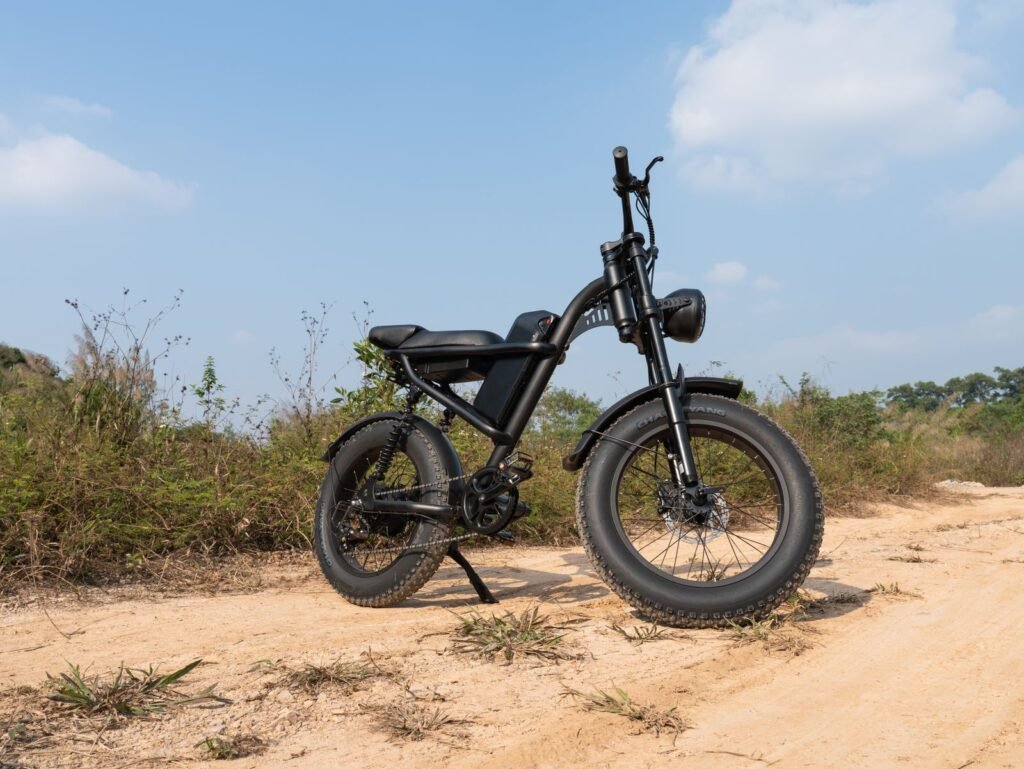
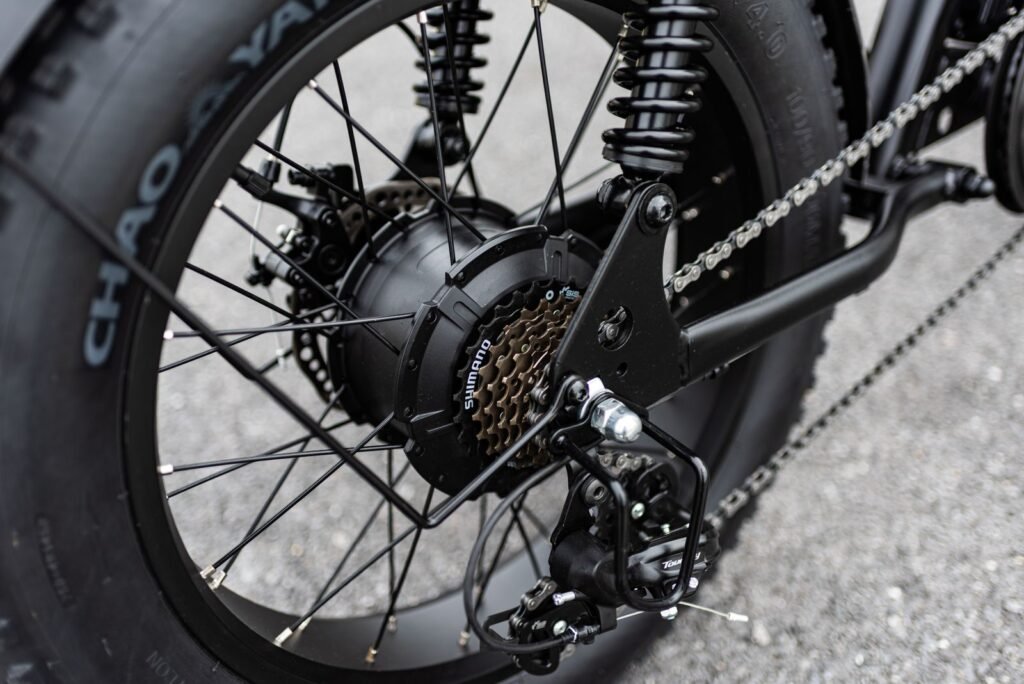
A mid-drive motor sits at the crank and drives the chain, so it works with the gears. A fat tyre e-bike gets its grip from tyres about 4 inches wide — the VARUN Peak, for example, runs 20 x 4.0 fat tyres.
The mistake is buying one for the other’s job: a fat tyre e-bike on a flat commute feels slow and heavy, and a mid-drive on a loose beach path feels skittish.
Daily use is the hardest test an e-bike faces: the same trip, day after day, in traffic and in rain, up the same hill, with the same bags, when you are tired and late.
A fat tyre e-bike and a mid-drive e-bike are not the same kind of thing. One is a tyre and wheel choice; the other is a motor position. Most fat tyre e-bikes use a hub motor, while most mid-drive e-bikes use standard tyres. More guides are in the E-Bikes hub, including our fat tyre vs road e-bike and commuter vs mid-drive e-bike guides.
Fat Tyre E-Bike vs Mid-Drive E-Bike: The Complete Comparison
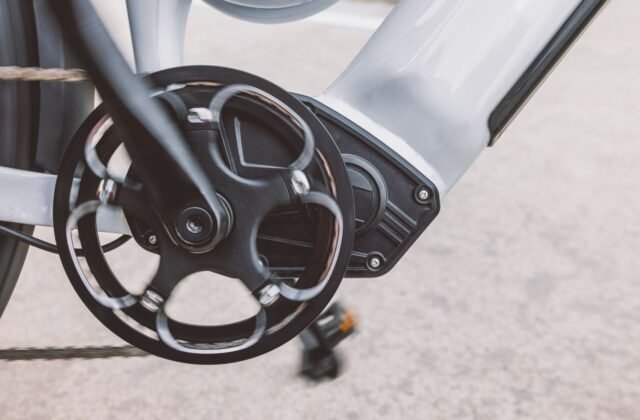
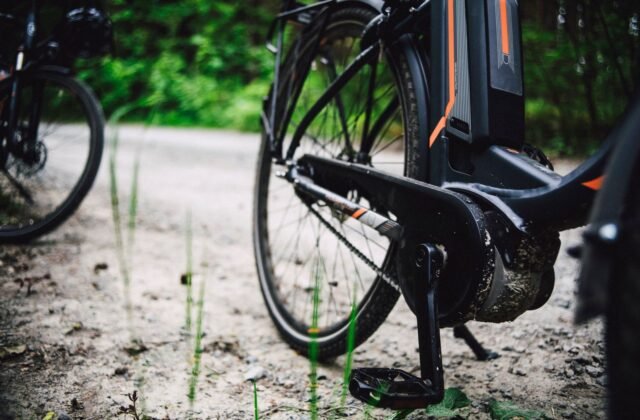
A fat tyre e-bike is built around wide, low-pressure tyres, usually about 4 inches across. A mid-drive e-bike has its motor at the bottom bracket, driving the chain and gears.
| Attribute | Fat Tyre E-Bike | Mid-Drive E-Bike | What to watch |
|---|---|---|---|
| What it is | Wide tyres, about 4 inches across | Motor at the crank, driving the chain | Tyre or motor? |
| Climbing | Steady, but weight and drag show on hills | Strong — the motor uses the gears | Your steepest hill |
| Grip on loose ground | Excellent on sand, snow, and gravel | Average — it depends on the tyres fitted | Your worst surface |
| Comfort | High — wide tyres absorb bumps | Depends on the bike | Your roughest ground |
| Range | Shorter on roads — more rolling resistance | Longer on roads — gearing keeps it efficient | Your route |
| Weight | Heavy, and steering is slow at low speed | Lighter to lift, carry, and store | Lift it at home |
| Upkeep | Tyres and tubes cost more | Chain and gears wear faster | The parts that wear out |
| Best daily use | Rough, loose, or snowy routes | Hilly roads and long flat commutes | Your route |

When the Answer Changes
The verdict above holds for most riders on most roads. But a few details can flip it.
- Loose or soft route. Sand, snow, deep gravel, or a muddy track every day? The fat tyre wins, even on flat ground.
- Hilly route. One steep hill you dread every day? The mid-drive wins — gears let the motor work at its best.
- Long and flat. A mid-drive holds its speed with less effort on a long flat commute, so you arrive less tired.
- Heavy loads. Bags, shopping, or a child seat suit a fat tyre’s stability — but check the rack and the total weight first.
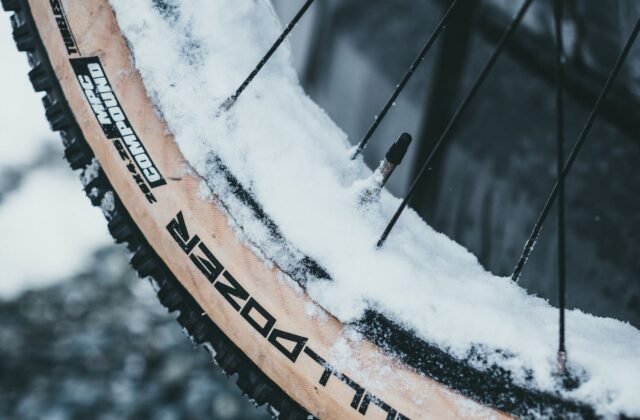
- Winter. Snow, slush, and icy patches favour a fat tyre’s wide contact patch and low pressure, especially at slow speed.
How to Test Which E-Bike Suits Your Daily Ride
Specs can only take you so far. A 20-minute test on your own route shows you more than a day of reading. Try both bikes the same way, so the result is fair.
- Ride your real route, at workday speed. Include your steepest hill, your worst surface, and your usual stops — not a flat car park.
- Climb your hill in your usual gear. On a mid-drive, shift down and feel the motor pull through the gears. On a fat tyre, notice if it slows.
- Stop and start twice, then ride the roughest 200 metres. Check how much effort each start takes, and how much the bike wanders on loose ground.
- Carry your normal load. A bike that feels fine empty can feel very different with your usual bag on it. Score each bike out of 10 for climbing, comfort, control, and effort.
What a Fail Looks Like
| Symptom | Cause | Fix |
|---|---|---|
| Bike slows badly on your hill | The motor cannot use the gears | Try the mid-drive, or shift down |
| Hands tingle after rough ground | The tyres pass every bump to the bars | Try the fat tyre, or lower the pressure |
| Bike wanders on loose ground | Narrow tyres cannot find grip | Try the fat tyre |
| Chain slips under load | The motor drives the chain in a high gear | Shift down, and check the chain |
Myth: A fat tyre e-bike is always better off-road, so it is better everywhere. Fact: Fat tyres help on loose, soft, and rough ground, but on smooth roads they add drag and weight.
Before you test: Check the brakes, tyre pressure, and chain, and charge the battery fully. Wear a helmet and gloves, and test on quiet roads — not in traffic, not alone.
The Daily-Use Test: The Method That Settles It
Want a number instead of a feeling? Run this test on your daily route. It takes about 20 minutes, works for both bikes, and the higher score wins.
What You Will Need
- Your daily route, ridden as usual
- A charged battery and a phone timer
- Your usual bag or load
- A pump, a tyre gauge, and a helmet
The Method
- Check the bike over. Look at the tyres, brakes, and chain, pump the tyres to the pressure on the sidewall, and charge the battery.
- Ride the route at your normal speed. Do not race — start the timer at your front door and stop it at your destination.
- Climb your hill, then ride your roughest section slowly. Note the effort and the vibration, and whether the bike stays in line. Stop and start three times, and check the battery at the end.
- Add up the scores. Give each bike 1 to 5 for climbing, comfort, control, and effort — the higher total is the better bike for your route.
Tip: Test both bikes on the same day, on the same route, with the same load. Only one thing should change — the bike.
When the Damage Is Already Done
Already own one of these bikes and it feels wrong for daily use? Start here. Most fixes cost little, and none means scrapping the bike.
- Heavy and slow on roads. Keep the tyres at the top of the range on the sidewall, and check the pressure every week.
- Struggles on hills. Shift to a lower gear before the hill starts, and pedal steadily instead of pushing hard in a high gear.
- Tyres feel harsh. Let a little air out, within the range on the sidewall, and wear padded gloves.
- Chain slips under load. Clean the chain, check it for wear, and shift down before the steepest part of a climb.
If the fixes work, keep the bike. If it still feels wrong after two weeks, look at the other side.
The Safe Alternative: A Fat Tyre E-Bike
A fat tyre e-bike is the safe alternative because it keeps you upright and comfortable when the ground is bad. It does not climb as well as a mid-drive, but it rarely loses grip, and it forgives mistakes on rough ground.
It suits riders who value comfort and stability over speed. If you ride gravel tracks, winter roads, or soft ground every day, start here — for example, the VARUN Peak 750W Fat Tire Ebike, which runs 20 x 4.0 fat tyres and a 750W peak motor.
- Measure your storage. Fat tyre e-bikes are wide and heavy, so check the door, the stairs, and the parking space first.
- Choose the tyre size for your ground. A 20 x 4.0 tyre suits most rough daily routes, while a wider tyre suits sand and snow.
- Check the brakes. Wide tyres and heavy bikes need strong brakes, so test them at low speed before you ride in traffic.
- Set the tyre pressure for your route. Use the range on the sidewall — lower for sand or snow, higher for roads. Keep a pump at home.
What to Do Next, in Order
- Write down your daily route — the distance, the surface, and the steepest hill.
- Decide which side your route favours — fat tyre for rough ground, mid-drive for hills and long roads.
- Test both bikes on the same route, with the same load, using the method above.
- Score each bike for climbing, comfort, control, and effort, then add the scores up.
- Buy the bike that won your test, not the one that looked best in a photo.
Never Do This on a Daily E-Bike Ride
- Never ride a new e-bike in traffic before testing the brakes. Learn how it stops on a quiet road first.
- Never ride with a flat or very soft tyre. It wears the tyre out and makes the bike hard to control.
- Never climb a steep hill in a high gear. Shift down early, and let the gears do the work.
- Never ignore a slipping chain. A chain that slips under load can fail, so check it before the next ride.
In Short
A mid-drive e-bike is the better daily e-bike for most riders: it climbs well, uses its gears, and goes further on a charge. A fat tyre e-bike is better on rough, loose, or snowy ground, where its wide tyres keep you steady. Test both and buy the one that won.
The Essentials
- A mid-drive e-bike wins most daily rides — it climbs hills and makes the best use of its gears.
- A fat tyre e-bike wins on rough, loose, or snowy ground, where wide tyres give grip and comfort.
- Test both bikes on your own route, with the same load, and score climbing, comfort, control, and effort.
More Questions, Answered
Which is better for daily commuting, a fat tyre e-bike or a mid-drive e-bike?
For most commuting, a mid-drive is better: it climbs hills, uses its gears, and uses its battery more efficiently. A fat tyre is better only on rough, loose, or snowy ground.
Can a fat tyre e-bike climb hills?
Yes, but it is not its strength — wide tyres add rolling resistance, and most fat tyre e-bikes use a hub motor. On a steep hill, a mid-drive feels much easier.
Are fat tyre e-bikes good for winter?
Yes. Wide tyres at low pressure give more grip on snow, slush, and ice than narrow tyres. Go slowly, and lower the pressure within the range on the sidewall.
Can you put a mid-drive motor on a fat tyre e-bike?
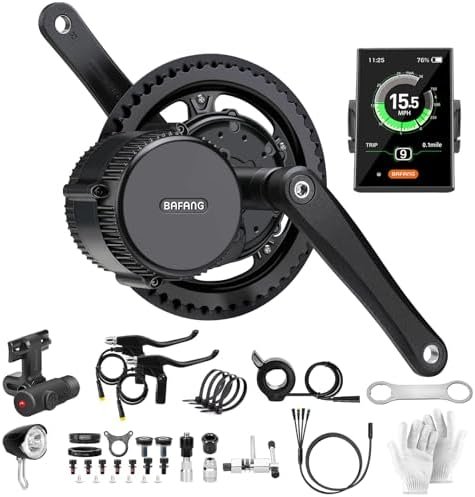
Yes. A mid-drive conversion kit, such as the BAFANG 48V 750W kit, fits a mid-drive motor to a bike, giving you mid-drive climbing with fat tyre grip. It needs a suitable frame.
Additional Details
Name: Fat Tyre E-Bike vs Mid-Drive E-Bike: Which Is Better for Daily Use?
Description: Fat tyre e-bike vs mid-drive e-bike: which is better for daily use? Compare climbing, comfort, range and upkeep, then test both on your route before you buy.
Published: November 10, 2026