For most commuters, a mid-drive e-bike wins. It climbs better, uses the gears, and feels natural on a hilly route. A cargo e-bike only pulls ahead when you regularly carry a load — groceries, a child, or work gear — that a normal bike cannot hold.
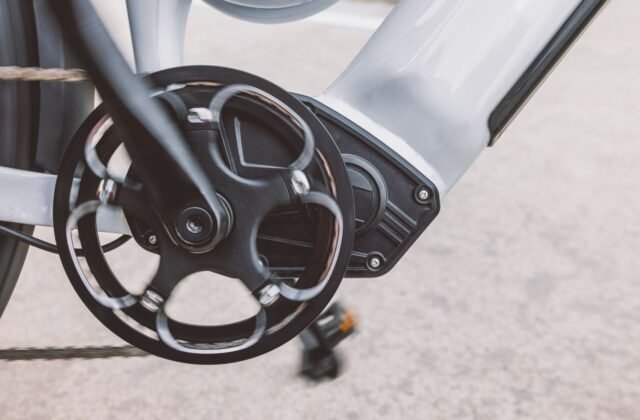
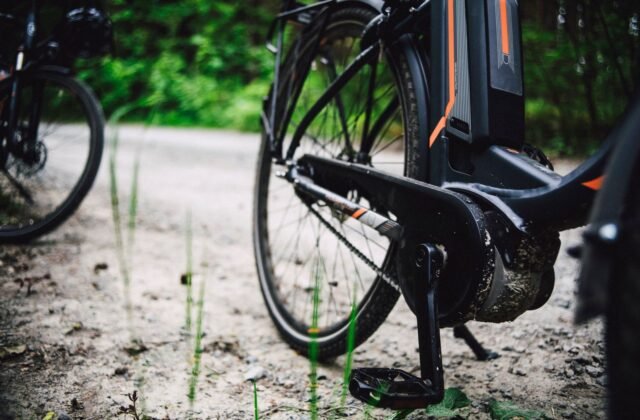
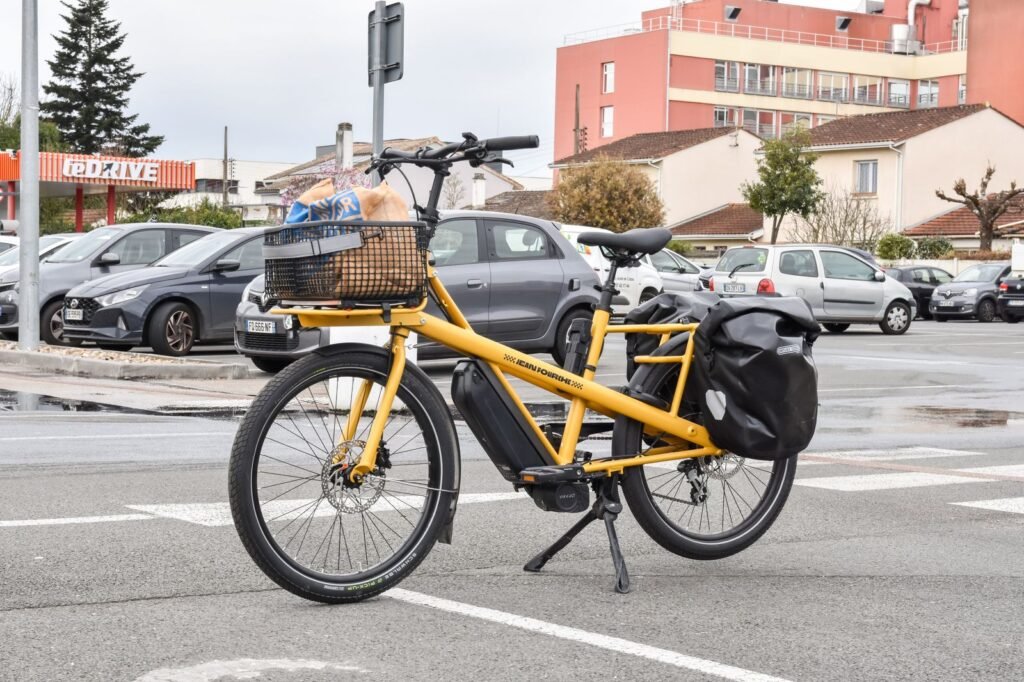
A cargo e-bike is built around carrying. It has a long frame, a wide rear rack or a front box, and room for bags, a basket, or a child seat. The motor position is not the point: the point is the load. A mid-drive e-bike is defined by the motor, not the load. Its motor sits at the crank, between the pedals, and drives the chain through the gears. See our cargo e-bike vs hybrid e-bike guide and our commuter e-bike vs mid-drive e-bike guide.
The two ideas overlap. A cargo e-bike can have a mid-drive motor, and some mid-drive bikes have racks and panniers. So the real question is whether your commute is limited by what you carry or by the hills on your route. The E-Bikes Hub has the rest of our e-bike comparisons.
Cargo E-Bike vs Mid-Drive E-Bike: The Core Comparison
Use the table first, then read the notes that follow it.
| Attribute | Cargo E-Bike | Mid-Drive E-Bike | What to Watch |
|---|---|---|---|
| Built for | Carrying loads every day | Climbing and efficient riding | Buy for the load or the route. |
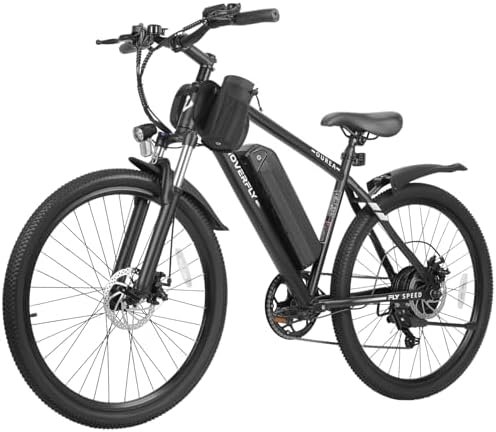
| Motor position | Usually a hub motor | At the crank, through the gears | Check the motor spec, not the shape. |
| Climbing with a load | Strong on flat ground, slow on hills | Gears keep the motor in range | Test your steepest hill loaded. |
| Battery use | More drain when loaded | Better use of charge on hills | A heavy load shortens either bike’s range. |
| Carrying space | Rack, box, or long tail built in | Rack only, if fitted | Measure what you carry first. |
| Size and parking | Long and heavy, needs a big space | Normal size, fits a standard rack | Measure your parking spot. |
| Cost to buy | Higher, due to frame and racks | Often cheaper; a kit costs less | Add lock, lights, and racks to the price. |
| Upkeep | Tyres, brakes, and racks wear | Chain and gears wear faster | Service what takes the load or the power. |
| Ride feel | Steady, slow to turn | Natural, quick to respond | Ride both with a load first. |
One fact matters most: a mid-drive motor uses the gears, so it can stay in a comfortable gear on a hill instead of straining. A hub motor has no gears to use, so a steep hill with a full load is where it struggles first.

When the Answer Changes
The verdict above is for a typical commute. Change one thing about your route or your load, and the answer can flip.
- Your load grows. If you carry a child, a weekly shop, or work tools most days, the cargo bike wins, even on a hilly route.
- Your route is flat and short. On flat ground, a cargo bike loses little and carries more.
- Your route has one steep hill. This is the mid-drive case: with gears and a load, it keeps its speed where a hub motor strains. See our step-through e-bike vs mid-drive e-bike for hills guide.
- You have nowhere to park a long bike. If your parking is a standard rack, a crowded shed, or a flat with stairs, the cargo bike loses. Measure first.
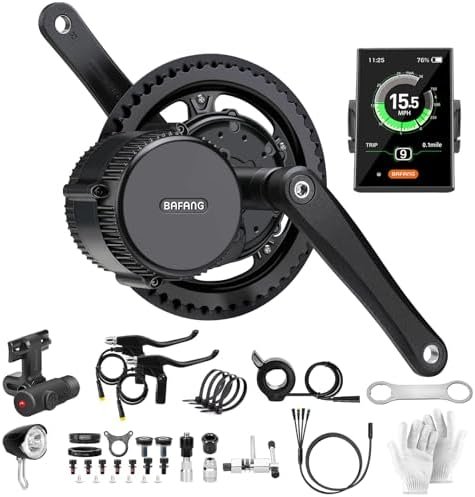
- You already own a good bike. A mid-drive conversion kit turns the bike you have into a mid-drive e-bike, often for less than a new bike.
Test It Before You Buy: A 15-Minute Decision Test
Do not buy either bike from a photo. A short test with your real load tells you more than any spec sheet. Do it on both bikes, on the same loop.
- Load the bike as you would on a workday, strapped low and tight.
- Ride your steepest hill at a normal pace. Note whether the motor keeps its speed or strains.
- Stop and start on the hill. A bike that restarts smoothly with a load suits your route.
- Ride a tight turn at low speed, then park it where you park at work.
- Ride the same loop on the other bike. The one that feels easier with the load is the one to buy.
What a Fail Looks Like
Motor strains on the first hill. Cause: the gear range or motor position does not suit the load. Fix: choose a mid-drive bike, or a lower gear.
Bike feels unstable when loaded. Cause: the load is high or behind the axle. Fix: move the load low and forward, and strap it tight.
You cannot park it. Cause: the bike is too long for your space. Fix: pick a standard-size mid-drive bike, or find secure parking first.
Myth vs Fact
Myth: “A bigger motor always climbs better.” Fact: Gearing matters as much as power. A mid-drive motor that uses the gears can climb better than a stronger hub motor that cannot.
Myth: “Cargo bikes are only for families.” Fact: They are for any regular load: groceries, tools, or deliveries.
Before You Test: Safety Note. Wear a helmet, keep your lights on, and test in a quiet car park or quiet street first, not in traffic. Check the brakes before you load the bike.
The Method: How to Set Up the Right One for Commuting
Whichever side you choose, set the bike up for your load, your route, and your body, then test it loaded.
What You Will Need
- A helmet and lights, charged and fitted
- A strong lock, and a second lock if you park in a busy place
- A pump with a gauge, a spare tube, and tyre levers
- A rack and panniers, or a basket or box on a cargo bike
- Chain lube and a multi-tool
The Method
- Set the saddle so your knee has a slight bend at the bottom of the pedal stroke, then tighten the clamp.
- Set the tyre pressure for a loaded bike, following the range on the tyre sidewall, and check it weekly.
- Fit the rack or box low and tight, with heavy items near the centre of the bike.
- Check both brakes, the chain, the gears, and the motor mount and axle nuts before you ride.
- Test ride loaded at low speed in a quiet place: stop, start, turn, and park before you take it into traffic.
Note: On a mid-drive bike, ease off the pedals for a moment when you change gear, and do not shift under full power. On a cargo bike, keep the load low and the tyres firm.
When the Damage Is Already Done
If you already bought the wrong one, do not write the bike off. Most of these problems have a fix that costs less than a new bike.
- Cargo bike, hilly route. Reduce the load, take a flatter route if there is one, and keep the tyres firm. If it still strains on your main hill every day, trade it for a mid-drive bike.
- Mid-drive bike, need to carry more. Fit a rear rack and panniers, within the rack limit. For a bigger load, a small trailer is cheaper than a new bike.
- Battery drains too fast. Carry less, use a lower assist level on flat ground, keep the tyres firm, and charge fully before you ride.
- You cannot park the bike. Look for secure parking near work or a ground-floor store first. If none exists, a standard-size bike is the fix.
The Safe Alternative
If a mid-drive bike wins for your route, a cargo bike is the safe alternative when your load matters more than your hills — and the other way round.
- Write down your normal load and your steepest hill. The one that limits you more decides the side.
- Test ride the other side with the same load, on the same loop, and compare how it feels.
- Check the parking, storage, and cost of racks and locks for the other side, then buy the bike that fits the limit.
For a normal-size bike without the length of a cargo bike, a standard commuter e-bike is the middle ground. Our folding e-bike vs mid-drive e-bike for commuting guide covers that case too.
What to Do Next, in Order
- Weigh and measure your normal load: bags, child seat, or tools.
- Ride your route and note the steepest hill and the parking at each end.
- Test ride a cargo e-bike and a mid-drive e-bike with the load, on the same loop.
- Choose the side that fits the limit: the load, or the hills.
- Add the lock, lights, rack, and panniers to the price before you buy.
Never Do This After Buying an E-Bike for Commuting
- Never ride with a loose rack, box, or child seat. A load that moves can throw the bike off balance in a turn.
- Never carry a load higher than the saddle. A high load makes any bike hard to steer, and a cargo bike most of all.
- Never shift under full power on a mid-drive bike. Ease off for a moment, shift, then pedal again.
- Never wash the motor area with a pressure washer. Water in the motor or battery contacts causes faults that are hard to dry out.
- Never leave the battery flat for weeks. Charge it, store it dry, and check it before your first ride after a break.
In Short
For most commuters, a mid-drive e-bike is the better choice: it climbs better, uses the gears, and fits normal parking. A cargo e-bike is better when you carry a load most days that a normal bike cannot hold. Decide by your limit — the load or the hills — and test both bikes on your route.
The Essentials
- Mid-drive wins for hills; a cargo bike wins for loads.
- Test both bikes loaded, on your own route, before you buy.
- Measure your parking: a cargo bike needs a long space.
- Set the tyres, brakes, chain, and rack up before the first commute.
- Keep the load low, and ease off the pedals when you shift.
More Questions, Answered
Can a cargo e-bike have a mid-drive motor?
Yes. Cargo is a frame and load layout, and mid-drive is a motor position, so a bike can be both.
Is a mid-drive e-bike better for hills than a cargo e-bike?
In general, yes. A mid-drive motor drives through the gears, so it can hold a good gear on a hill.
Can I carry groceries on a mid-drive e-bike?
Yes, with a rear rack and panniers, as long as you stay within the rack limit. A weekly shop, a child, or bulky work gear needs a cargo bike.
Which is easier to park and store?
A mid-drive e-bike, because it is a normal size and fits a standard rack. A cargo bike is long and heavy, so check your parking at home and at work first.
Which costs more to run?
It depends on use. A cargo bike wears tyres and brakes faster under a heavy load. A mid-drive bike wears the chain and gears faster, because the motor drives through them.
Additional Details
Name: Cargo E-Bike vs Mid-Drive E-Bike: Which Is Better for Commuting?
Description: Cargo e-bike vs mid-drive e-bike: which is better for commuting? Compare load space, hills, cost and upkeep, then pick the right e-bike for your route.
Published: November 10, 2026