Part of our guide on Helmets and Safety Gear.
Hot weather is the hardest test of motorcycle gear: the sun heats the road, the jacket, and the helmet, and the temptation is to ride with less protection. That trade is what gets riders hurt. A summer fall does not care that it was 35 degrees outside.
This guide shows how to stay cool and protected in hot weather: pick gear that moves air, check the fit before you ride, and manage heat at stops instead of shedding protection. For helmet types, read Best Dual-Sport Motorcycle Helmets; for modular helmets, read Best Rated Modular Motorcycle Helmets.
Quick facts
| Fact | What it means for your ride |
|---|---|
| Problem this guide fixes | Overheating, sweat-soaked gear, and the urge to ride unprotected in hot weather |
| Check first | The jacket vents, the helmet vents, the fit, and the weather for the whole route |
| Most common causes | A non-mesh jacket, closed vents, a dark helmet in the sun, and no water on the bike |
| What you need | A mesh jacket with armour, a vented helmet, summer gloves, and water within reach |
| Stop and get help | Dizziness, confusion, nausea, or skin that stops sweating |
| Related guides | Helmets and Safety Gear, Best Dual-Sport Motorcycle Helmets, Best Rated Modular Motorcycle Helmets |
Quick recap
- Wear mesh with armour: airflow cools you, not bare skin.
- Open every vent before you set off.
- A light-coloured helmet stays cooler in the sun than a black one.
- Drink before you feel thirsty, and stop in the shade when the heat builds.
- Never skip the jacket, gloves or boots because it is hot.
The short answer: mesh with armour, vents open, and water before you ride
The straight answer is that the right motorcycle gear for hot weather is a mesh jacket with CE armour, a vented helmet, summer gloves, and boots, with every vent open before the ride starts. Mesh moves air across your skin while the armour stays where it needs to be, so you cool down without giving up protection.
Heat builds where you cannot see it: a black helmet in parked sun, a jacket zipped to the neck in slow traffic, gloves that trap sweat until your hands slip.
The steps below pick and check the gear, the reference section matches each hot-weather problem to the first thing to try, and the later sections cover heat, humidity, and fit.
How to choose hot-weather motorcycle gear, step by step
Check the gear you already own first: a mesh jacket with closed vents is often the whole problem.
- Check the jacket for mesh. Hold it up to the light: a hot-weather jacket shows large mesh panels across the chest, back, and arms.
- Check the armour sits where it should. The armour should sit over the joints, not slide away when you reach for the bars.
- Open the helmet vents. Find every vent on the helmet and open them all. Closed vents turn a helmet into an oven.
- Try the gloves on the bars. Summer gloves should let you feel the controls and keep your hands from slipping with sweat.
- Check your boots breathe. Heavy waterproof boots hold heat all day. Use vented boots and wicking socks instead of cotton.
- Plan water before the ride. Fill a bottle or hydration pack you can reach without stopping. Drink at every stop, and before you feel thirsty.
- Do a short test ride in the heat. Ride a familiar 20-minute loop, including slow traffic, and note where you feel hot first.
If every step looks right and you still overheat, the problem is usually the day, not the gear. Shorten the ride and stop in the shade.
What you’ll need
- A mesh jacket with CE armour and vents you can open while wearing gloves
- A vented helmet, in a light colour if you ride in strong sun
- Summer gloves, vented boots, wicking socks, and water within reach
One Amazon product in this section only: the mesh jacket below has the airflow this guide is built around.

What the symptom usually means
Match what you notice with what to try first. If you feel dizzy, confused, or nauseous, skip the table, stop in the shade, and get help.
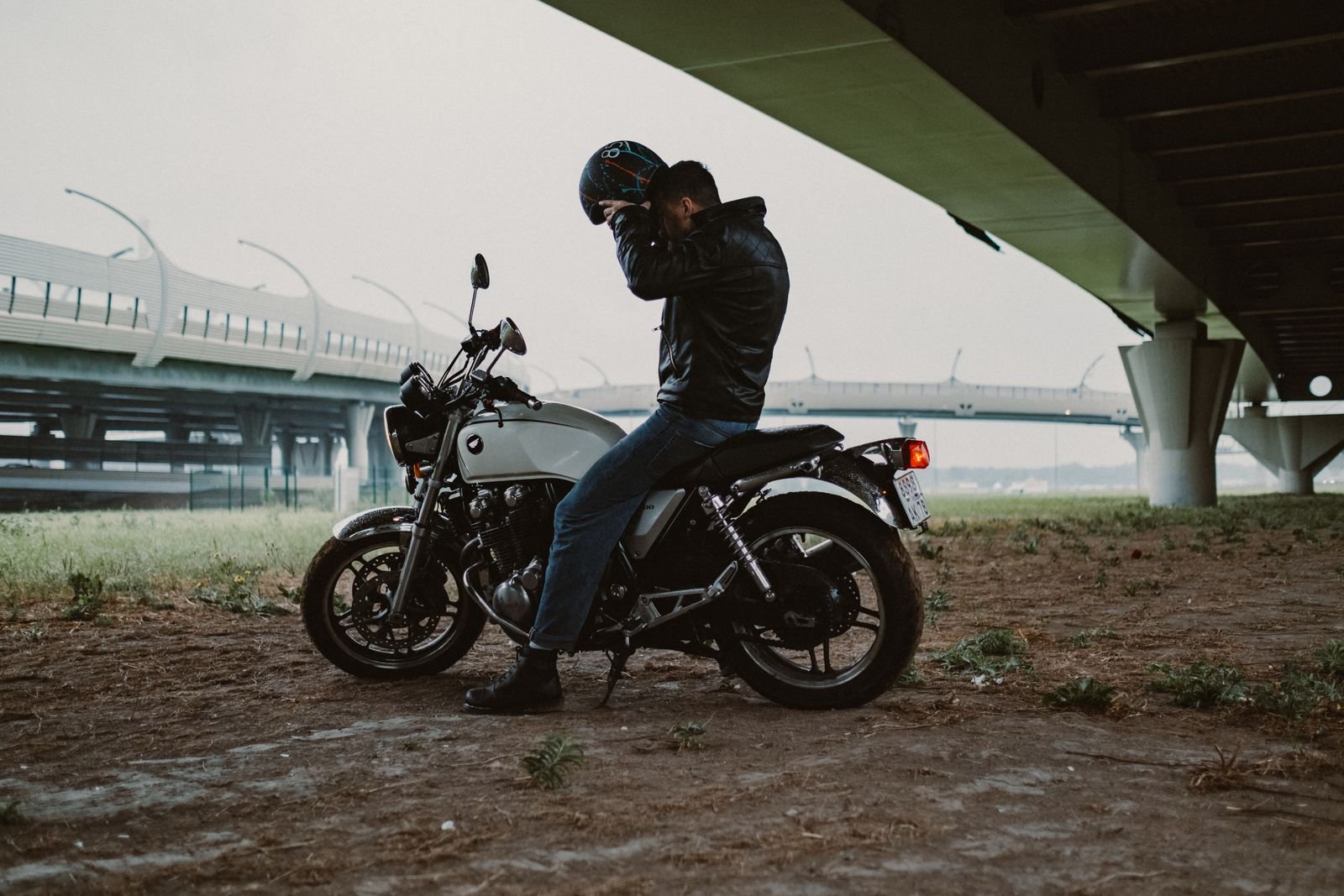
| Situation | What you’ll notice | What to try |
|---|---|---|
| Sweating through the jacket | Your base layer is soaked within 20 minutes | Switch to a mesh jacket, open every vent, and wear a wicking base layer |
| Head feels cooked in the helmet | Heat builds up at the first traffic light | Open all helmet vents, choose a light-coloured helmet, and wet your hair at stops |
| Hands slip on the grips | Palms sweat and the controls feel vague | Use vented summer gloves and carry a dry spare pair |
| Thirsty and tired early | You feel flat and slow to react after an hour | Drink before you ride and at every stop |
| Dizzy, confused or nauseous | Headache, confusion, or skin that stops sweating | Stop at once in the shade and get medical help |
The jacket below is a second mesh option with the same idea.

How heat, humidity and speed change the answer
The same gear feels different on a dry 32-degree morning, a humid 35-degree afternoon, and a slow crawl through town. Dry heat is the easiest case. Humidity is harder, because sweat does not evaporate, so cooling from airflow drops sharply.
Speed changes the answer too. At open-road speed, even a modest mesh jacket moves plenty of air. In slow traffic, airflow nearly stops, and heat builds from the engine and the road at once.
What works
- Ride early in the morning or late in the afternoon
- Soak a base layer or neck gaiter in water at stops
- Choose light colours for the helmet and jacket, which absorb less sun than black
What to watch
- Humidity kills the cooling from airflow, so do not push on because the jacket feels fine at speed
- A dark helmet left in the sun is hot before you put it on
- Do not ride through dizziness or confusion to reach the next stop
Fit and airflow settings that keep you cool
Before buying new gear, check the settings on the gear you own. Most jackets and helmets have vents riders never touch after the first week. A shut vent is the same as no vent at all.
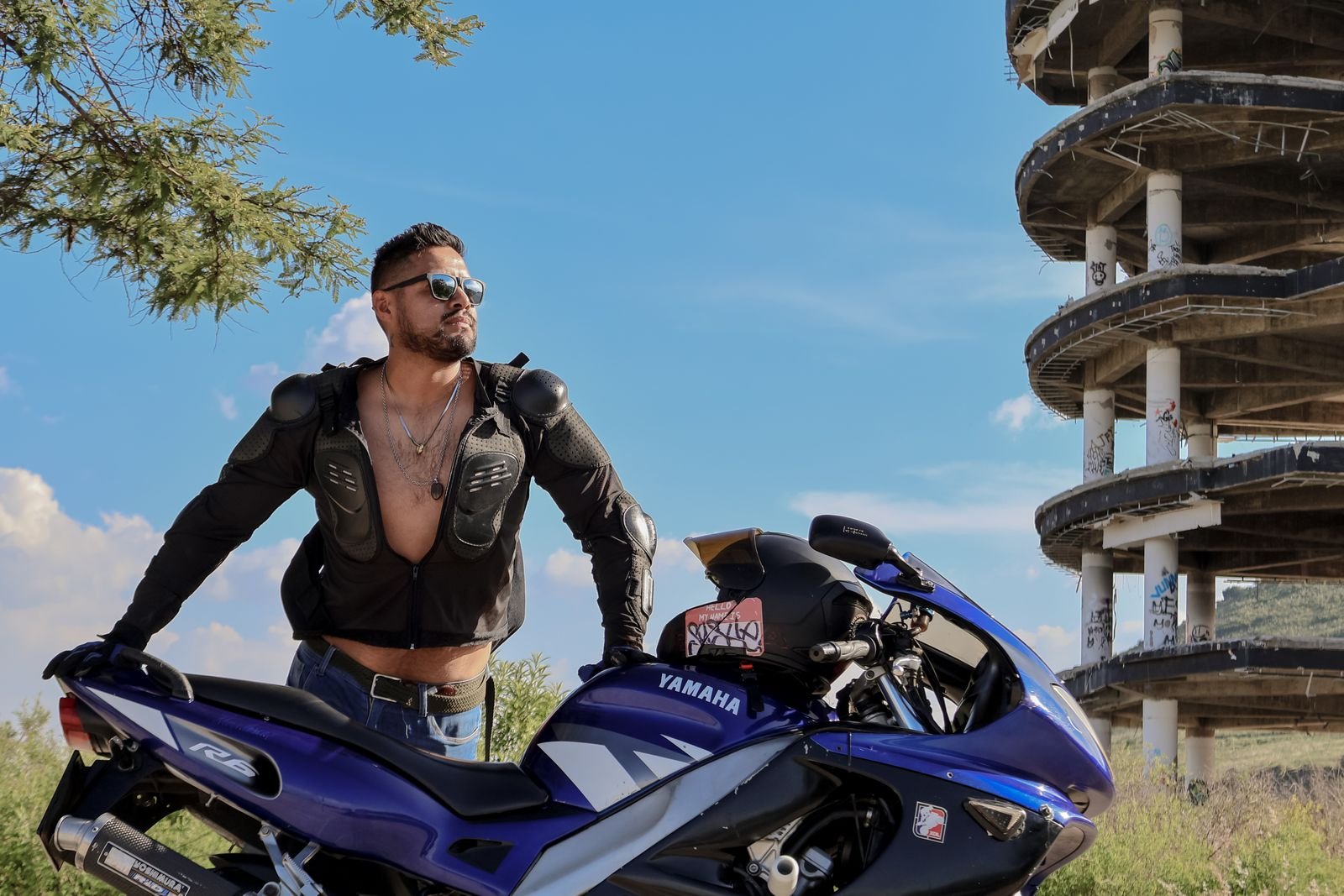
Fit decides how much air reaches you: the jacket should hold the armour over the joints with room for air to move, and the helmet should sit level.
What works
- Open every vent before you set off, and check them again at the first stop
- Wear a thin wicking base layer, not a cotton T-shirt that stays wet
- Adjust the waist and cuffs so air flows through, but the armour cannot slide
What to watch
- A jacket that flaps at speed lets the armour move; tighten the waist and cuffs until it stops
- A helmet that is too tight traps heat and gives you a headache
- Do not ride with vents taped shut or a visor that will not stay open a crack
When a fix needs a new piece of gear
Some hot-weather problems have a simple fix, and some need a piece of gear. A solid jacket with no mesh cannot be fixed by opening vents that do not exist.
| Fix | Best use | Limit |
|---|---|---|
| Mesh jacket with armour | Sweating through a solid jacket, or riding unprotected | Less rain protection; keep a waterproof layer for wet days |
| Vented helmet, light colour | Head overheats at traffic lights, or a black helmet is hot | Vents need cleaning; a clogged vent moves no air |
| Summer gloves | Palms slip with sweat, or heavy gloves feel vague | Less crash protection than heavy gloves; check the palm and knuckle armour |
| Vented boots and wicking socks | Feet hot and sore by midday | Less waterproof than touring boots |
What works
- Buy the jacket for the hottest day you ride in
- Try gear on in the riding position, with gloves on, before deciding it fits
- After any change, repeat the 20-minute test loop
What to watch
- A mesh jacket with no armour is a summer shirt, not riding gear
- A helmet bought only for its vents, without the right safety standard, is a bad trade
- Do not keep riding in gear with torn mesh or cracked armour
The jacket below is a third mesh option for the same job.

The verdict
Hot-weather riding works when the gear moves air and the rider manages heat: mesh with armour, a vented helmet, summer gloves and water, with stops in the shade. When the heat still wins, shorten the ride or ride when it is cooler.
Readers also ask
What is the best motorcycle gear for hot weather?
A mesh jacket with CE armour, a vented helmet in a light colour, summer gloves, and vented boots.
Is it safe to ride a motorcycle in a T-shirt in hot weather?
No. Bare skin slides on the road in a fall, and the road is hotter than the air. A mesh jacket with open vents feels cooler than a T-shirt at riding speed.
How do I keep my helmet cool in summer?
Open every vent before you ride, choose a light-coloured helmet, and keep it out of the sun when parked. At stops, take it off in the shade.
Do mesh motorcycle jackets protect you in a crash?
A mesh jacket with CE armour protects the shoulders, elbows and back. Check the armour is CE rated and sits over the joints.
What should I drink on a hot motorcycle ride?
Water, before you feel thirsty and at every stop. On a long ride, eat something salty at stops too.
Affiliate Disclosure: We may earn a commission when you buy through links on this site, at no extra cost to you.
Additional Details
Name: Motorcycle Gear for Hot Weather: How to Stay Cool and Protected
Description: Stay cool and protected with the right motorcycle gear for hot weather: mesh jackets, vented helmets, hydration and fit checks that work in summer heat.
Published: November 17, 2026