Part of our guide on Helmets and Safety Gear.
Hot weather makes riders want to leave the gear at home. A mesh jacket feels like the only honest option at a standstill in 35-degree heat. The problem is that the road does not get softer in summer. A fall at town speed hurts the same in July as in January, and sunburn and dehydration add risks that winter riding never brings.
This guide shows how to pick motorcycle safety gear for hot weather that keeps you cool without skipping protection: what to look for in a jacket, helmet, gloves and boots, how to tell if your gear is actually moving air, and when a piece of gear is worn out and needs replacing. For helmet picks, see Best Dual-Sport Motorcycle Helmets and Best Rated Modular Motorcycle Helmets; for the same thinking on scooters, read Scooter Safety Gear and Helmets: What to Wear and Why.
Quick facts
| Fact | What it means for your ride |
|---|---|
| Problem this guide fixes | Gear too hot to wear, so riders skip it — and get hurt, sunburnt or dehydrated |
| Check first | Jacket airflow, helmet vents, glove knuckles, boot ankle cover, and water |
| Most common causes | Solid leather or unvented textile in summer, a dark helmet in sun, and no water on the bike |
| What you need | A mesh jacket with CE armour, a vented full-face helmet, mesh gloves, ventilated boots, and water |
| Stop and get help | Dizziness, confusion, nausea, or a rider who stops sweating — signs of heat illness, not tiredness |
Quick recap
- Mesh gear with armour protects and flows air; solid leather traps heat.
- A vented full-face helmet stays cooler than a dark, unvented one.
- Mesh gloves with hard knuckles protect your hands without cooking them.
- Drink water at every stop, and rest in the shade.
- If a jacket has no armour, torn mesh, or vents that no longer open, replace it.
The short answer: wear mesh gear with armour, keep the vents open, and drink water at every stop
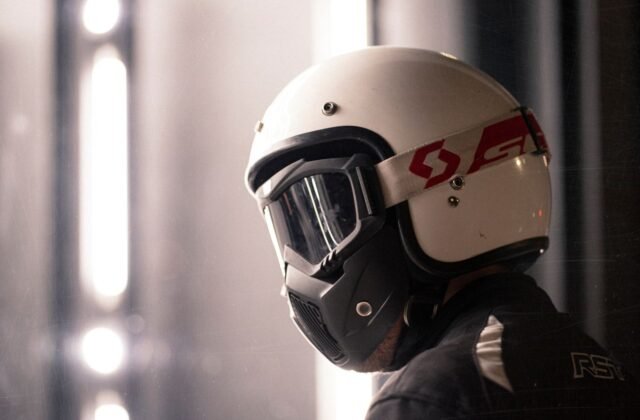
The short answer is that hot-weather gear is not less gear — it is different gear. A mesh jacket with CE armour in the shoulders, elbows and back moves air through the jacket while you ride and still puts armour between you and the road. A vented full-face helmet with a light shell and washable liner does the same for your head. Mesh gloves and ventilated boots finish the set.
The gear only works if you use it properly: vents open at speed, visor down on the move, and water at every stop. Riders who strip gear off trade a cooler ride for road rash, sunburn and slower reactions when the heat catches up.
Rule of thumb: if you would not ride without it on a cool day, do not ride without it on a hot day — change the gear, not the amount of protection.
How to tell if your hot-weather gear is working, step by step
Work through these checks on a normal summer ride.
- Put the full set on before you start the bike. If any piece feels unbearable standing still, note it — standing still is the hottest part of the ride.
- Ride ten minutes at normal speed with every vent open. You should feel air across your chest, arms and head. If you feel nothing, the vents are shut or blocked.
- Stop and check the inside of the jacket. A damp lining is normal in heat. A soaked base layer under a jacket that feels dry outside means the jacket is trapping sweat instead of moving it.
- Check your hands and head. Numb fingers, a fogging visor, or a headache mean the gloves are too warm or the helmet vents are not working.
- Check the armour. Press each pocket — shoulder, elbow, back. Armour that has slipped or gone soft no longer sits where it must in a fall.
Check this first: the vents. Most hot-weather complaints are a vent problem, not a gear problem. Open every intake vent before you ride, and make sure a tank bag or backpack strap is not covering the chest vents.
What you’ll need: a mesh jacket with CE armour, a vented full-face helmet, mesh gloves, ventilated boots, a wicking base layer, and a bottle of water.

What the heat usually does to you and your gear
Heat wears the rider down and shows up the weak points in the gear. Knowing which one you are feeling is the fastest way to fix it.
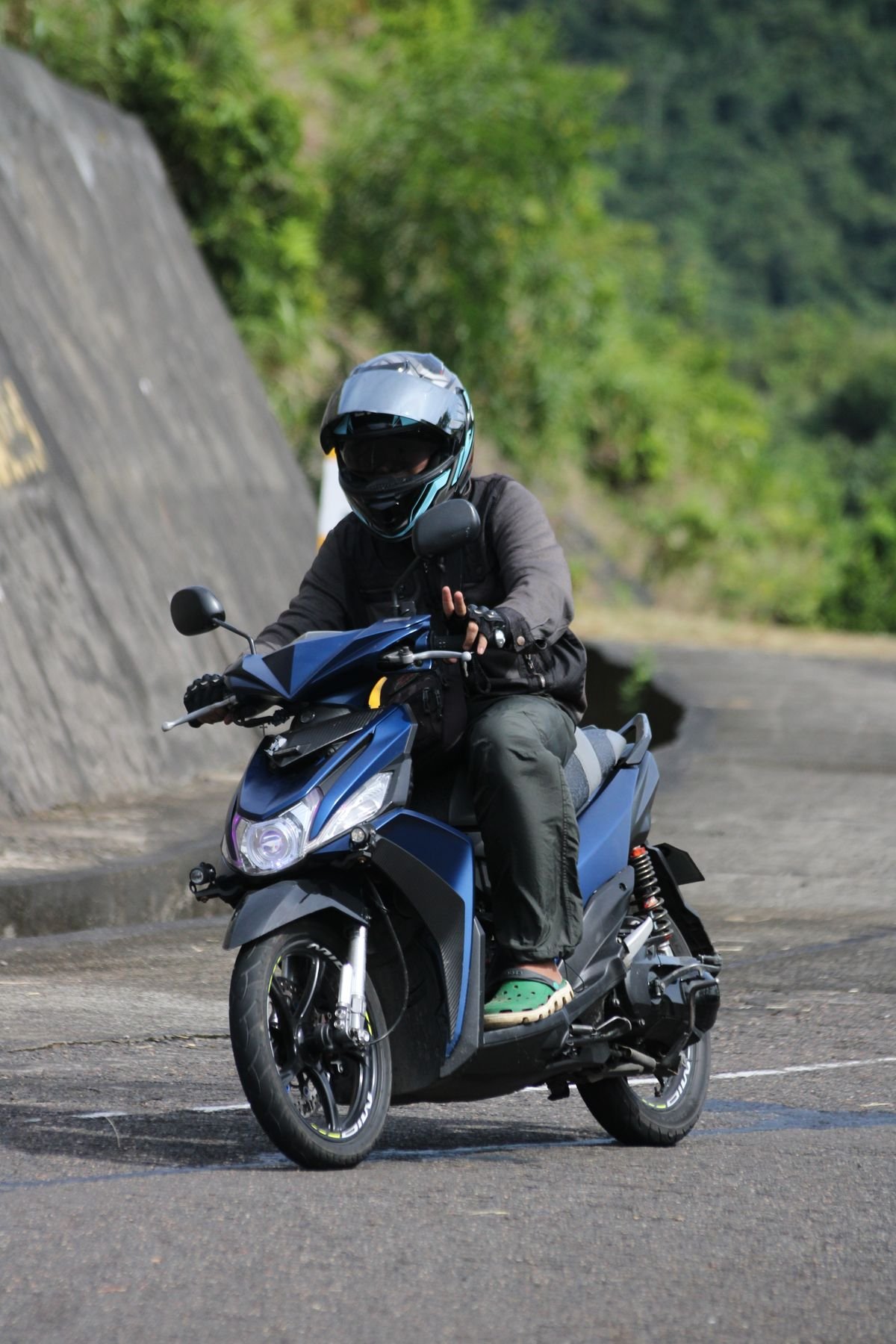
| Situation | What you’ll notice | What to try |
|---|---|---|
| Stuck in traffic on a hot day | Heat builds fast, sweat soaks the lining, visor fogs | Visor a notch at stops, vents open, drink at the next stop |
| Long run in direct sun | Sunburn on exposed skin, dry mouth, tired eyes | Cover all skin, light-coloured helmet, stop hourly in the shade |
| Jacket feels hotter than no jacket | No air moving, sweat trapped, urge to unzip | Check vents are open and unblocked, switch to mesh, wear a wicking base layer |
| Helmet feels like an oven | Headache, sweat in the eyes, fogged visor | Open the vents, fit a washable liner, choose a light shell next time |
| Hands go numb or sweaty | Grip slips, gloves stick, fingers tingle | Mesh gloves with a snug fit, shake hands out at stops, replace worn palms |
How heat, speed and ride length change the answer
The right gear for a twenty-minute town ride is not the same as for a five-hour run. Speed and time change what matters.
What works:
- Mesh jackets on hot days — airflow is strongest with every vent open.
- Light-coloured helmets and jackets in direct sun — they reflect heat instead of absorbing it.
- Short, shaded stops on long rides — ten minutes in the shade beats an hour of pushing on.
- A moisture-wicking base layer under any jacket — it moves sweat off the skin so the vents can do their job.
What to watch:
- Leather and solid textile in heat — they protect well but trap heat, and tired riders make mistakes.
- Dark helmets and black gear in sun — they run hotter than light colours.
- Open-face helmets — cooler on the face but no chin protection, and sunburn on the lower face.
- Riding without gloves because your hands sweat — bare hands lose skin in a fall at any speed.
Worth knowing: airflow needs speed. At a standstill no jacket flows air, which is why traffic is the hottest part of a summer ride. Treat a traffic jam as a rest stop, not a delay.

Settings and controls that affect airflow
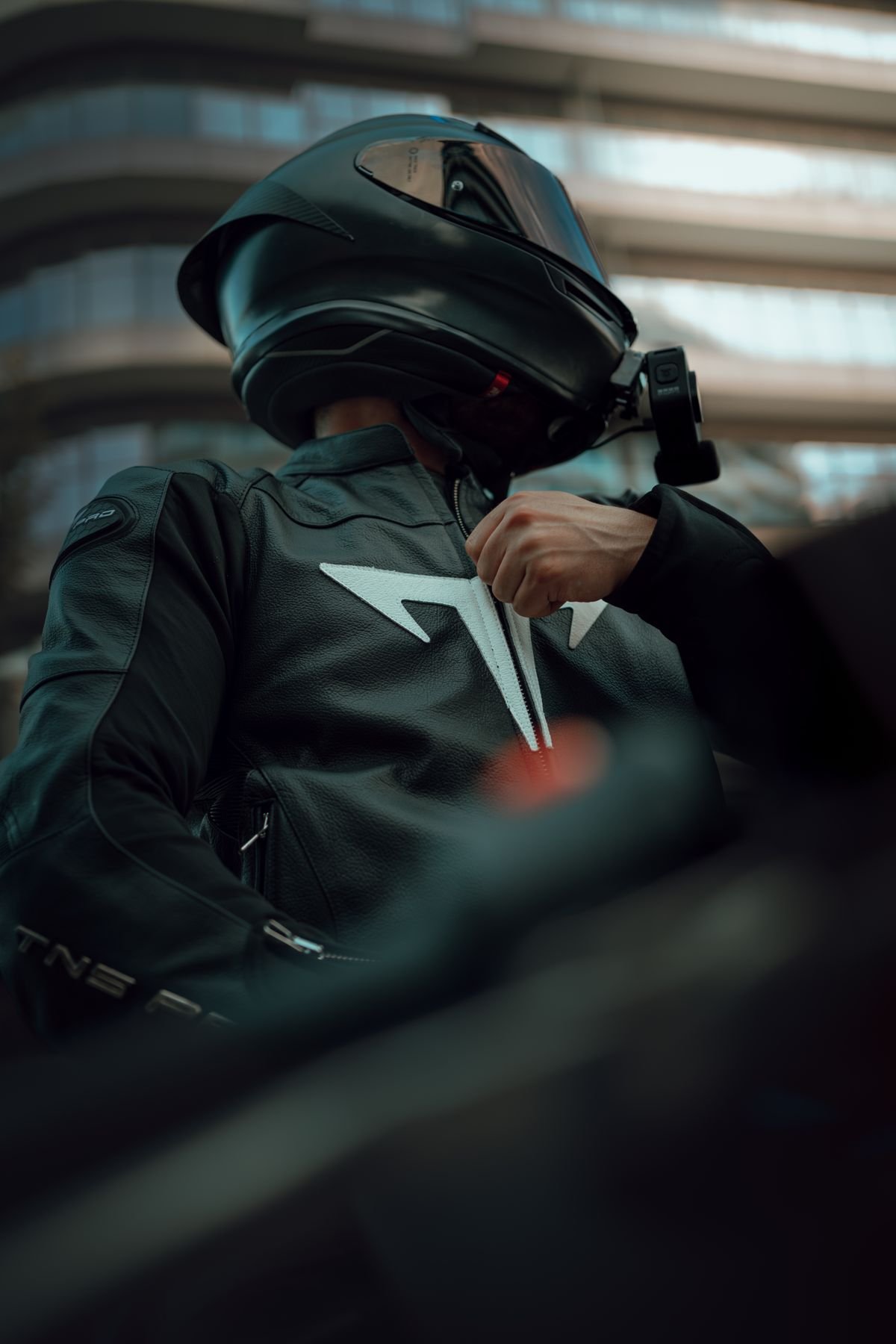
Helmets and jackets have more adjustment than riders use. The vents, visor and liner are controls — set them before you ride, not after you are already hot.
What works:
- Intake vents open at the front, exhaust vents at the back — air in at the front and out at the back moves heat away.
- A visor cracked one notch at low speed — it clears fog and lets air in without the wind blast of a fully open visor.
- A removable, washable liner — a clean liner breathes better after a sweaty ride.
- A snug helmet fit — a loose helmet moves and lets hot air in around the edges.
What to watch:
- Vents blocked by a camera mount or sticker — check the vent path, not just the switch.
- A visor fully open at motorway speed — wind dries the eyes and throws dust at your face.
- A helmet that feels tighter than last summer — liners pack down and pads swell with sweat, so check the fit.
When a fix needs a part or a replacement
Hot-weather gear wears out faster than winter gear because sweat, sun and washing take their toll. Most of it can be fixed cheaply — but some of it cannot.
| Fix | Best use | Limit |
|---|---|---|
| Replace a torn mesh panel | Small tear, jacket otherwise sound | A large tear or torn armour pocket means a new jacket |
| Replace worn glove palms | Palms smooth, knuckles and stitching sound | Torn seams or missing armour means new gloves |
| Fit a new helmet liner | Liner flat or loose after a season | A cracked shell or a hard drop means a new helmet |
| Replace a scratched visor | Light scratches that blur at night | A deep scratch across the eyeline means a new visor |
| Carry a waterproof over-jacket | Summer rain on a mesh jacket | Mesh jackets are not rain gear |
What works:
- Replace one worn piece at a time — gloves and liners first, since they wear fastest in heat.
- Washing mesh gear to the maker’s instructions — clean mesh flows air better than mesh clogged with sweat.
- Checking armour pockets every spring — armour moved in the wash needs putting back before the first hot ride.
What to watch:
- A jacket faded badly in the sun — UV weakens textile.
- Stitching undone around armour pockets — the armour will not stay put in a fall.
- A helmet older than five years, or one dropped hard — the liner ages even when the shell looks fine.
The common mistake: buying the cheapest mesh jacket with no armour and calling it protection. Mesh without armour is a sun shirt, not safety gear. Without CE armour in the shoulders, elbows and back, it does not protect you in a fall.

The verdict
Mesh gear with armour, a vented helmet, mesh gloves and water at every stop keeps you protected and cool. Change the gear for the season — never ride with less of it.
Readers also ask
Can I wear a mesh jacket instead of leather in summer?
Yes, if it has CE armour in the shoulders, elbows and back. It protects in a fall and flows far more air than leather. Mesh with no armour is not safety gear.
Is a full-face helmet too hot for summer riding?
Not with working vents. A vented full-face helmet with a light shell moves air across your head at speed, and it protects your chin and face. An open-face helmet leaves the chin unprotected.
Should I wear gloves in hot weather?
Yes. Mesh gloves with hard knuckles protect your hands without trapping heat, and bare hands lose skin in a fall at any speed.
What should I drink on a long hot ride?
Water, at every stop. Do not wait until you feel thirsty — by then you are already short of water. Avoid alcohol before and during a ride.
How do I stop my visor fogging in summer?
Crack the visor one notch at low speed and keep the vents open and the liner clean. A fogged visor usually clears once you are moving.
When should I replace hot-weather gear?
Replace it when the mesh is torn, the armour has moved or gone soft, or a helmet shell is cracked or more than five years old.
Additional Details
Name: Motorcycle Safety Gear for Hot Weather: Stay Cool Without Skipping Protection
Description: Motorcycle safety gear for hot weather: mesh jackets, vented helmets and mesh gloves that keep you cool without skipping protection. How to choose and check them.
Published: November 17, 2026