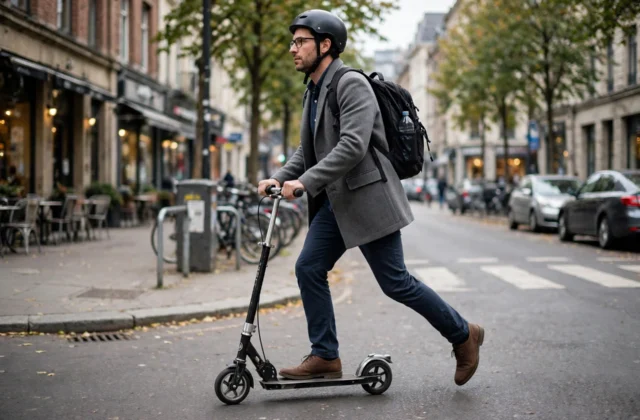
Short answer: Wear a well-fitting helmet on every scooter ride, plus closed shoes, gloves, and bright or reflective clothing. A helmet protects your head, gloves protect your hands in a fall, and bright clothing helps other road users see you sooner. No single item makes a ride risk-free, so combine good gear with slower speeds, a pre-ride check, and a route that avoids fast traffic where you can.
Introduction
Scooters are quick, quiet, and easy to hop on, and that convenience is also the risk. A short trip can still end in a fall, a pothole strike, or a conflict with a car turning across your path. Gear does not remove those risks, but it changes what happens when they occur.
This guide explains what to wear, why each item matters, and how to check it before you ride. It focuses on everyday kick and electric scooters, and on choices you can make without buying specialist racing equipment.
Scooter gear at a glance
| Item | What it protects | When it matters most |
|---|---|---|
| Helmet | Head in a fall or collision | Every ride, however short |
| Gloves | Hands, palms, and grip | Wet roads, cold weather, and falls |
| Closed shoes | Feet, ankles, and toes | Every ride; never ride in sandals |
| Bright clothing | Visibility to drivers | Dusk, rain, and busy roads |
| Eye protection | Eyes from wind and dust | Faster rides and windy days |
| Knee and elbow pads | Joints in a low-speed fall | New riders and rough surfaces |
What you will need
- A helmet made for cycling or scootering, in your size, with an undamaged shell and straps.
- Closed, flat-soled shoes that stay on your feet and do not catch on the deck.
- Gloves that keep grip without making your fingers clumsy on brakes or throttle.
- Bright or reflective outer clothing, or a reflective vest over normal clothes.
- Eye protection for wind and glare, if your helmet has no visor.
- A phone, charged, and a way to carry it that does not use your hands while riding.
- A small pump and repair kit for tyre checks, if your scooter uses pneumatic tyres.
Step 1: Start with the helmet, and fit it first
A helmet is the one item to sort before anything else. Choose a helmet made for the kind of riding you do, and check that it sits level, low on your forehead, and snug all round. It should not slide forward over your eyes, tip back, or rock side to side.
- Fasten the chin strap so it is snug, with only about two fingers of slack under the strap.
- Adjust side straps so they meet just below each ear, forming a Y shape.
- Shake your head gently: the helmet should move with your head, not on its own.
- Replace a helmet after a crash, a hard drop, or if the shell, foam, or straps are cracked or frayed.
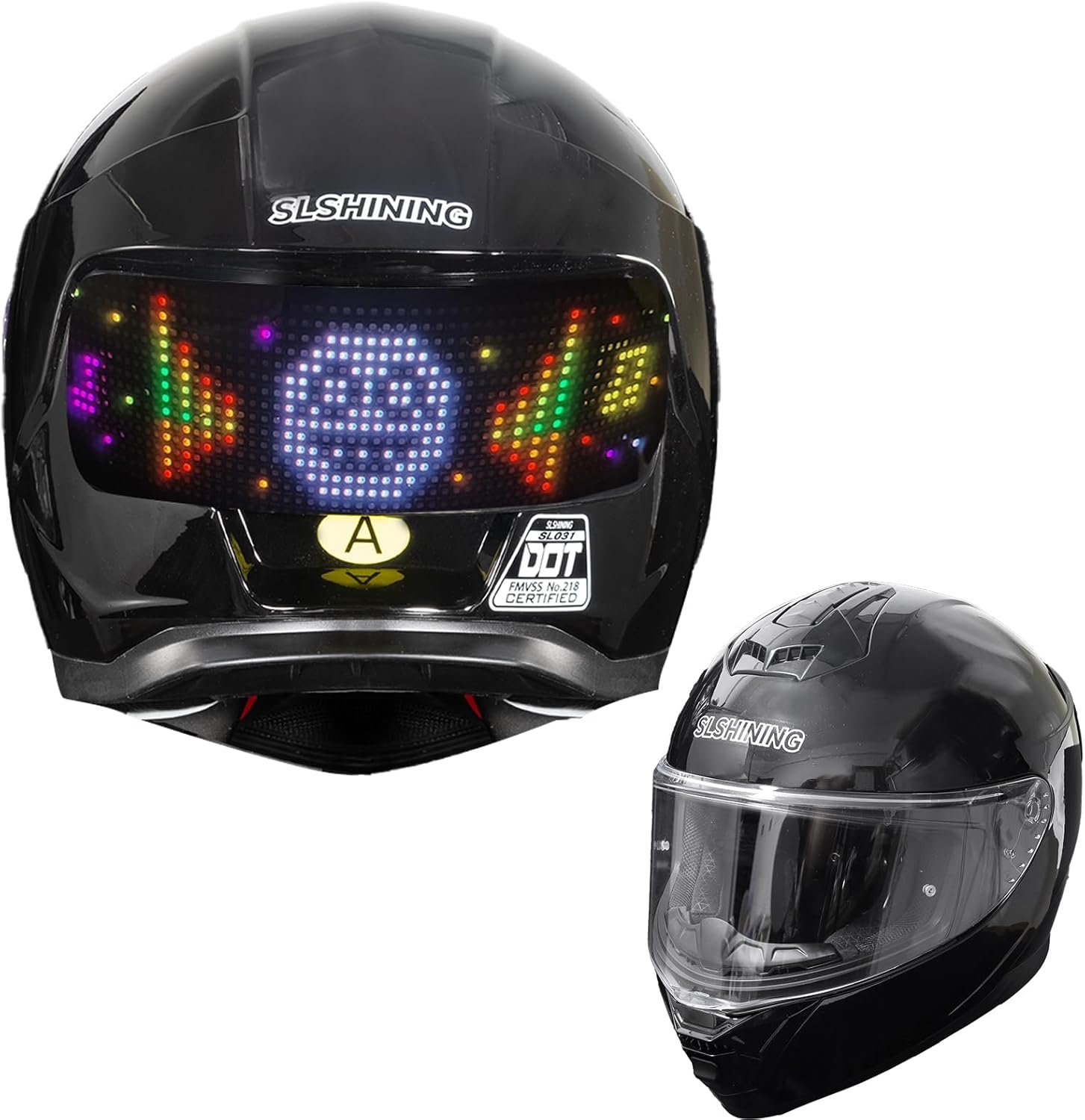
Do not wear a helmet that is too loose because it feels comfortable, and do not wear a cap or thick hood under it that lifts it off your head. If you ride at higher speeds or in traffic, a full-face or visor helmet may suit you better than an open helmet, but only if it fits and does not block your hearing or vision.
Step 2: Protect your hands and grip
Hands are often the first thing to hit the ground in a fall, and they also control your brakes. Gloves reduce grazing, keep your hands warm, and help you hold the grips in rain.
- Choose gloves with palm padding and a grip that works when wet.
- Check that you can still reach and squeeze the brake levers fully.
- In cold weather, choose warmer gloves, but test them before a busy ride.
- Replace gloves when the palms are worn smooth or seams have split.
Avoid loose gloves that bunch at the fingers, and avoid riding with one hand in a pocket. If you need to adjust gloves, stop safely first.
Step 3: Choose shoes that stay put
Closed shoes with flat soles give you a stable platform on the deck and protect your toes if you put a foot down quickly. Sandals, high heels, and loose laces are a hazard: they can slip, catch, or leave your foot unprotected.
- Tuck laces away or use shoes without long laces.
- Check the sole grips the deck when dry and when damp.
- Step on and off the scooter at low speed to test your footing before traffic.
If you ride in rain, shoes with a grippy sole matter even more, because decks and painted road markings become slippery.
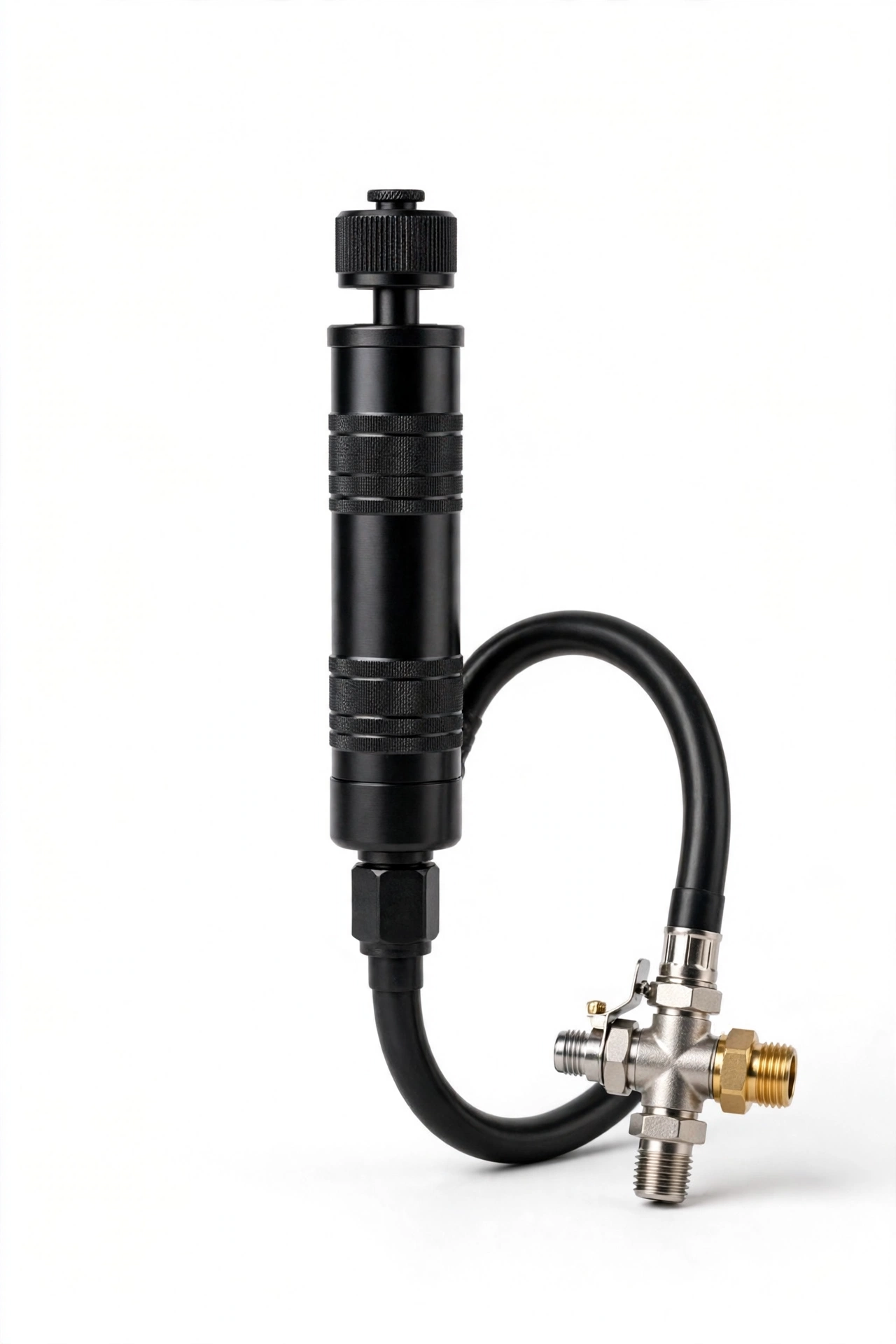 >Mini Bike Pump – Portable Aluminum Alloy
A portable pump for checking scooter and bike tyres before a ride.
Step 4: Make yourself easy to see
Many scooter incidents involve another road user who did not see the rider in time. Bright clothing, reflective strips, and lights help, especially at dusk, in rain, and on roads with parked cars.
- Wear a bright top or a reflective vest over a jacket.
- Use your scooter lights in low light, and check them before you set off.
- Do not rely on dark clothing with a small reflective logo alone at night.
- Ride where you are visible: avoid hugging parked cars and blind corners where you can.
Visibility is not a substitute for caution. Even in bright clothing, assume a driver may not have seen you until you have eye contact or a clear gap.
Step 5: Add pads and eye protection where they help
Knee and elbow pads are not needed for every short, slow ride, but they are sensible for new riders, for rough surfaces, and for anyone learning to balance or brake hard. Pads should fit snugly, stay in place, and not restrict your knees when you step off.
Eye protection matters at speed and in wind. Glasses, sunglasses, or a visor can stop dust, insects, and cold air from making you blink or tear up. Choose lenses that do not darken your view too much in shade, and keep them clean.
Checklist before a longer ride:
| Check | Pass |
|---|---|
| Helmet level, snug, strap fastened | Yes / fix first |
| Gloves and shoes secure | Yes / fix first |
| Lights working | Yes / fix first |
| Tyres firm, brakes working | Yes / fix first |
| Phone stored, hands free | Yes / fix first |
Step 6: Dress for the weather, not just the ride
Rain, cold, and heat change what gear works. In rain, a waterproof outer layer and gloves with grip matter more than a heavy coat that soaks up water. In heat, light, breathable clothing helps, but do not drop the helmet or closed shoes to stay cool.
- In rain, slow down, brake earlier, and avoid painted lines, metal covers, and wet leaves.
- In cold weather, layer under a windproof jacket, and keep hands and ears warm without blocking hearing.
- In strong sun, use eye protection and a light top, and drink water on longer rides.
If the weather makes it hard to see, hear, or grip, that is a reason to postpone the ride or take another form of transport.
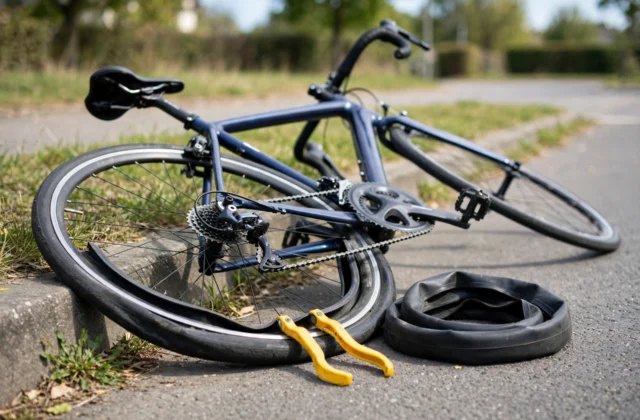
 >Cyctravel Bike Tire Repair Kit
A repair kit to carry for a puncture, so a flat tyre does not leave you walking in traffic.
Step 7: Do a 60-second pre-ride check
Gear works best with a scooter that is ready. Before every ride, run this quick check, in order:
- Helmet on, level, strap snug.
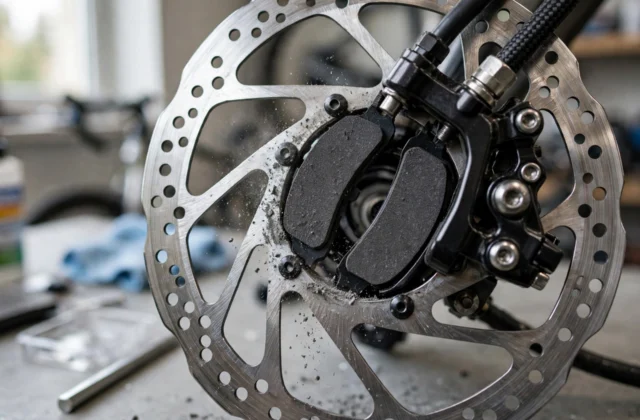
- Brakes: squeeze each lever and check the wheels stop.
- Tyres: press and look for softness, cuts, or embedded objects.
- Steering and folding latch: no wobble, latch fully closed.
- Lights and, for electric scooters, battery level for the trip.
- Route: choose quieter streets, avoid fast traffic, and know where you will stop safely.
If any check fails, fix it or do not ride. A loose latch, a soft tyre, or a brake that feels weak is not a small problem at speed.
Step 8: Replace and store gear properly
Helmets and pads age even without a crash. Sun, sweat, and knocks wear straps and foam, and a helmet left in a hot car or dropped repeatedly may not protect as well as it should.
- Store helmets in a cool, dry place, away from chemicals and heavy objects on top of them.
- Clean straps and pads as the maker directs, and let them dry fully.
- Replace a helmet after any crash where your head hit the ground, even if the damage is not obvious.
- Check gloves, pads, and reflective clothing for wear each month.
For more scooter help, browse the Scooter category and read Five Three Wheel Mopeds for Adults You Didn’t Know You Needed for stability-focused options. For repair basics, see How to Fix a Flat Tyre on the Road.
 PRO BIKE TOOL Tubeless Tyre Repair Kit
A tubeless repair kit for small tread punctures, for riders whose tyres are tubeless.
Frequently asked questions
Do I need a helmet for a short scooter ride?
Yes. Most falls happen close to home, at low speed, and on familiar roads. A helmet should be part of every ride, not just long ones.
Can I use a bike helmet on a scooter?
In general, a well-fitting cycling helmet is a sensible choice for kick and low-speed electric scooters. Check your local rules and the helmet maker guidance, and choose a helmet rated for the speeds you ride at.
What should I wear at night?
Bright or reflective clothing, working lights, and closed shoes. Reflective material helps drivers see you, but ride slower and assume you may still be missed.
Are gloves really necessary?
They are not always required, but they protect your hands in a fall and improve grip in wet or cold conditions. For many riders, they are the second most useful item after a helmet.
When should I replace my helmet?
After a crash, after a hard impact, or when the shell, foam, or straps are damaged or worn. If you are unsure, replace it rather than guessing.
Do pads make me a safer rider?
Pads can reduce grazes and joint injuries in a fall, but they do not replace a helmet, good brakes, or careful riding. Use them as an extra layer, not as a reason to ride faster.
Affiliate Disclosure: We may earn a commission when you buy through links on this site, at no extra cost to you.