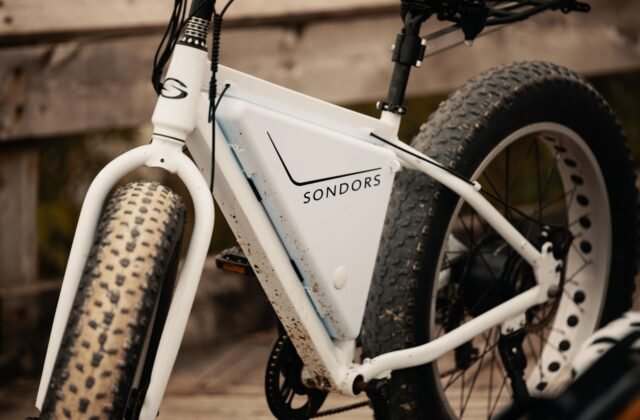
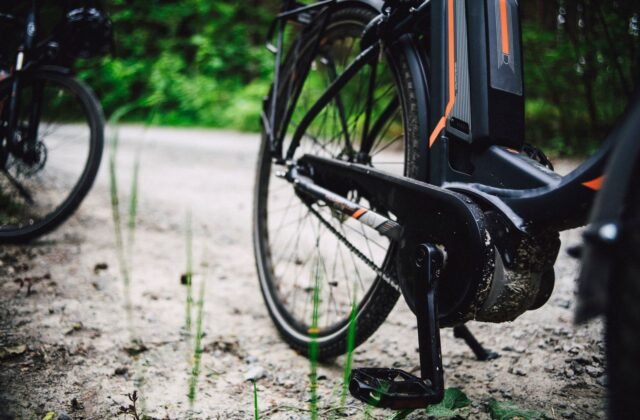
Short answer: For long distance rides, a commuter e-bike is the better default. Its diamond frame is stiffer under a loaded rack, it usually fits a larger battery, and its longer, lower position is more efficient over hours in the saddle. A step-through is better when easy mounting matters more than speed — sore knees, a stiff hip, work clothes, or a loaded rack — because the low frame lets you step on and off easily.
Introduction
A long ride is where small differences become big ones. On a ten-minute trip, almost any e-bike feels fine. After an hour or two, the frame decides how your knees, neck and hands feel, how much battery you have left, and how steady the bike is with a loaded rack.
Both frames are built for the same job — getting you to work and back, day after day — but they solve it differently. A commuter e-bike uses a traditional diamond frame with a high top tube. A step-through drops that tube low, so you step through instead of over it. For the wider picture, read E-Bike vs Manual Bike, browse the E-Bikes Hub, and note the charging routine in How to Make Your E-Bike Battery Last Longer.
Below are the side-by-side comparison, the five-step test to run on both frames, how to set up your bike for a long ride, and what to do if you already bought the wrong one.
Commuter E-Bike vs Step-Through E-Bike: The Comparison
| Attribute | Commuter E-Bike | Step-Through E-Bike | What to Watch |
|---|---|---|---|
| Mounting | Swing a leg over a high top tube | Step through the low frame | Try it with panniers on |
| Riding position | Longer reach, leaned forward; efficient | Upright and relaxed; easy on neck and wrists | Upright catches more wind |
| Frame stiffness | Diamond frame resists flex | Low frame can flex when loaded | Check for wobble with your load |
| Battery and range | Often fits a larger battery | Battery often sits on the rack | Battery size decides range, not the frame |
| Comfort | Stable and efficient; less forgiving if fit is wrong | Kinder to knees and hips | Short rides hide fit problems |
| Carrying a load | Rack suits the stiff rear frame | Loads sit higher; can affect balance | Keep heavy items low and centred |
| Best for | Daily long rides on open roads | Many stops; riders who need easy mounting | Match frame to route and body |
When the Answer Changes
The verdict above holds for a typical flat-to-rolling commute, but five variables can flip it:
- Sore knees or a stiff hip. If mounting hurts, the step-through wins — pain shortens rides more than wind does.
- A heavy, awkward load. A child seat, a work bag and shopping together put more flex through a low frame; test the loaded bike.
- Hills and headwinds. On a hilly route, an upright step-through works harder against the wind, and battery use climbs on both frames.
- Many stops. City riding with lights, crossings and errands favours easy mounting — the step-through saves effort at every stop.
- Storage and lifting. If you carry the bike up steps or lift it onto a rack, weight matters more than frame shape.
Test Both Frames Before You Choose
Run this five-step test on both frames, on the same route, before you spend anything. Half an hour on each bike tells you more than any specification sheet.
- Mount and dismount three times. Do it with the rack loaded. If you must tilt the bike or lift a leg high, note it — that is every stop.
- Ride your real route. Use the same loop for both frames, with the same load, at your normal pace.
- Climb and stand. Stand on the pedals on a short climb and feel for flex or wobble. A loaded frame should track straight.
- Check comfort and battery. Note sore hands, neck or knees, and how much charge the loop used.
- Park, lock and carry. Lock the bike to something solid, lift it if you must, and walk it into your storage.
What a fail looks like
| Symptom | Cause | Fix |
|---|---|---|
| Cannot mount with panniers on | Top tube too high, or rack too full | Lower the saddle to mount, pack less on top, or choose the step-through |
| Wobble when loaded | Load too high or too far back | Move heavy items low and forward; reduce the load |
| Knees ache after an hour | Saddle too low or too far forward | Raise the saddle a little at a time and retest |
| Battery low before home | Assist too high, or headwind on the way back | Use a lower assist level and plan a charging stop |
Myth: A step-through frame is too weak for long rides. Fact: A well-built step-through handles normal commuting loads. Check the maker’s load rating and test the loaded bike.
Before you test: Wear a helmet, check the brakes and tyre pressure, and test in daylight on quiet roads. Carry a charged phone and a lock, and stop riding if anything feels loose or wrong.
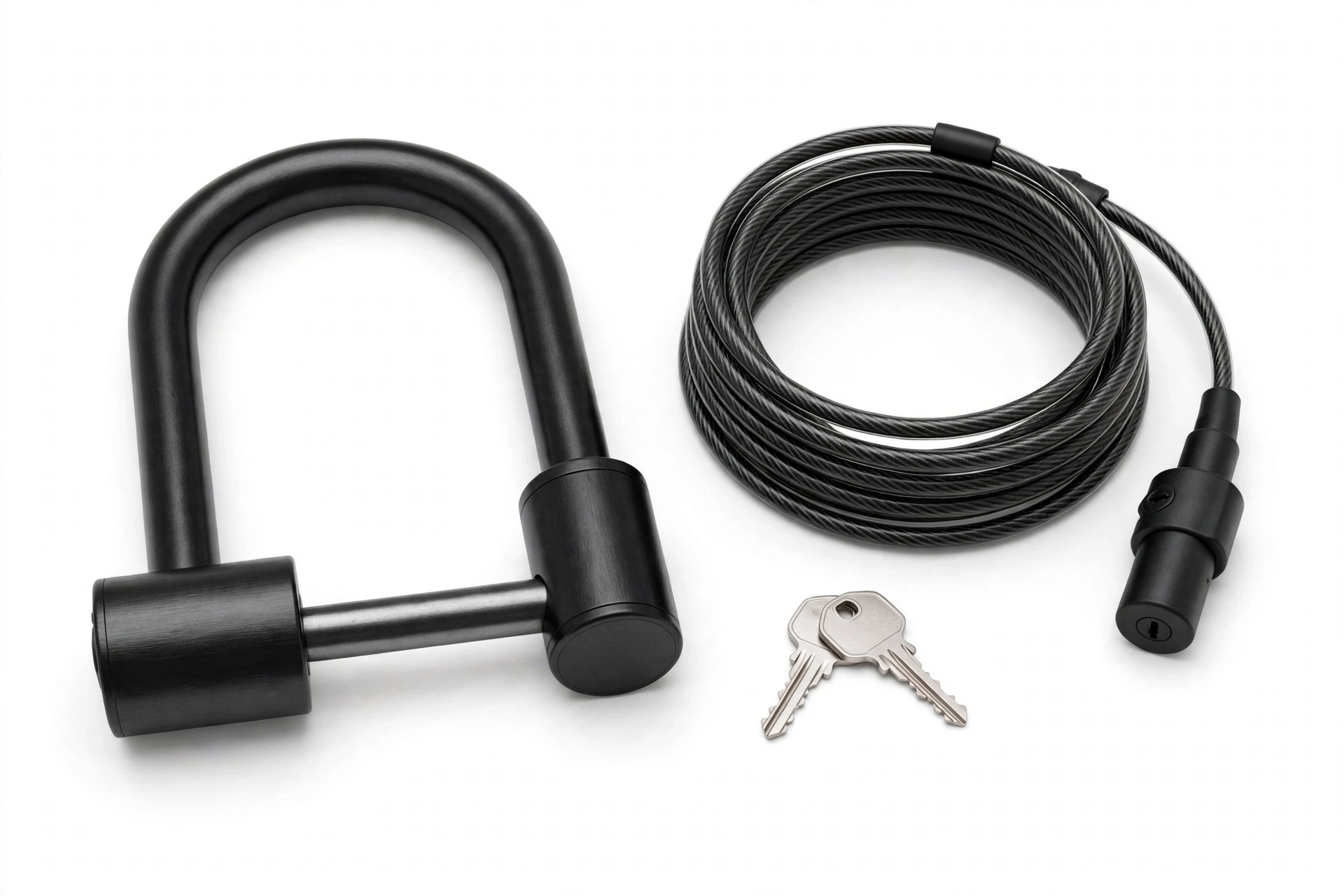
A practical lock set for securing your bike while you commute.
Set Up Your E-Bike for Long Rides

Whichever frame you choose, a long ride is easier when the bike is set up for it before you leave.
What you will need
- A floor pump or a portable pump
- A strong lock
- The correct charger for your battery
- A multi-tool and a spare tube
- Front and rear lights
- A rack bag or panniers
- A water bottle and a way to carry it
The method
- Set the fit first. Set saddle height so your leg is almost straight at the bottom of the stroke, then set the bars within easy reach.
- Set tyre pressure for the load. Pump the tyres to the pressure shown on the tyre sidewall for your weight and load, and check them weekly.
- Plan the charge. Charge fully before a long ride, know where you can top up, and use a lower assist level on the flat.
- Pack low and centred. Put heavy items at the bottom of the panniers and close to the bike, and keep the load even on both sides.
- Check the bolts and brakes. Check rack bolts, wheel nuts and brake levers, and test the brakes at walking pace before you join traffic. Wet-weather braking is covered in Disc Brake vs Rim Brake: Which Is Better After Rain?.
- Ride a short test loop. Ride ten minutes on your loaded bike, then stop and check the fit, the load and the brakes.
Do not ride on a loose rack or weak brakes. A rack that moves can throw the load off balance, and weak brakes need a longer stop. Fix both before a long ride.
E-bikes: If the battery runs out, expect a much heavier ride home. The charging and storage routine is in How to Make Your E-Bike Battery Last Longer.

A simple way to keep an e-bike charged and ready to ride.
When the Damage Is Already Done
If you already bought the wrong frame, you still have options. Match the problem to the fix.
- You cannot mount the bike with a load. Fit a lower saddle, pack lighter, or have a shop fit a more upright bar and stem. If mounting still hurts, the frame is the problem.
- Your knees ache on long rides. Check saddle height first — most knee pain on a new bike comes from a saddle set too low. Raise it a little at a time and retest.
- The battery runs low before home. Use a lower assist level, avoid full power on the flat, and charge after every long ride. The full routine is in How to Make Your E-Bike Battery Last Longer.
- The bike wobbles with a load. Move the weight lower and forward, tighten the rack, and try a smaller load. If the frame still flexes under your normal load, it is the wrong frame for that load.
- Your hands or neck hurt. Raise the bars or fit a more swept-back bar for a more upright position. A fit problem can often be fixed; a frame you cannot mount cannot.
If none of these fixes works, consider trading the bike in rather than forcing long rides on it. A bike that hurts you will sit unused, and that costs more than a change of frame.
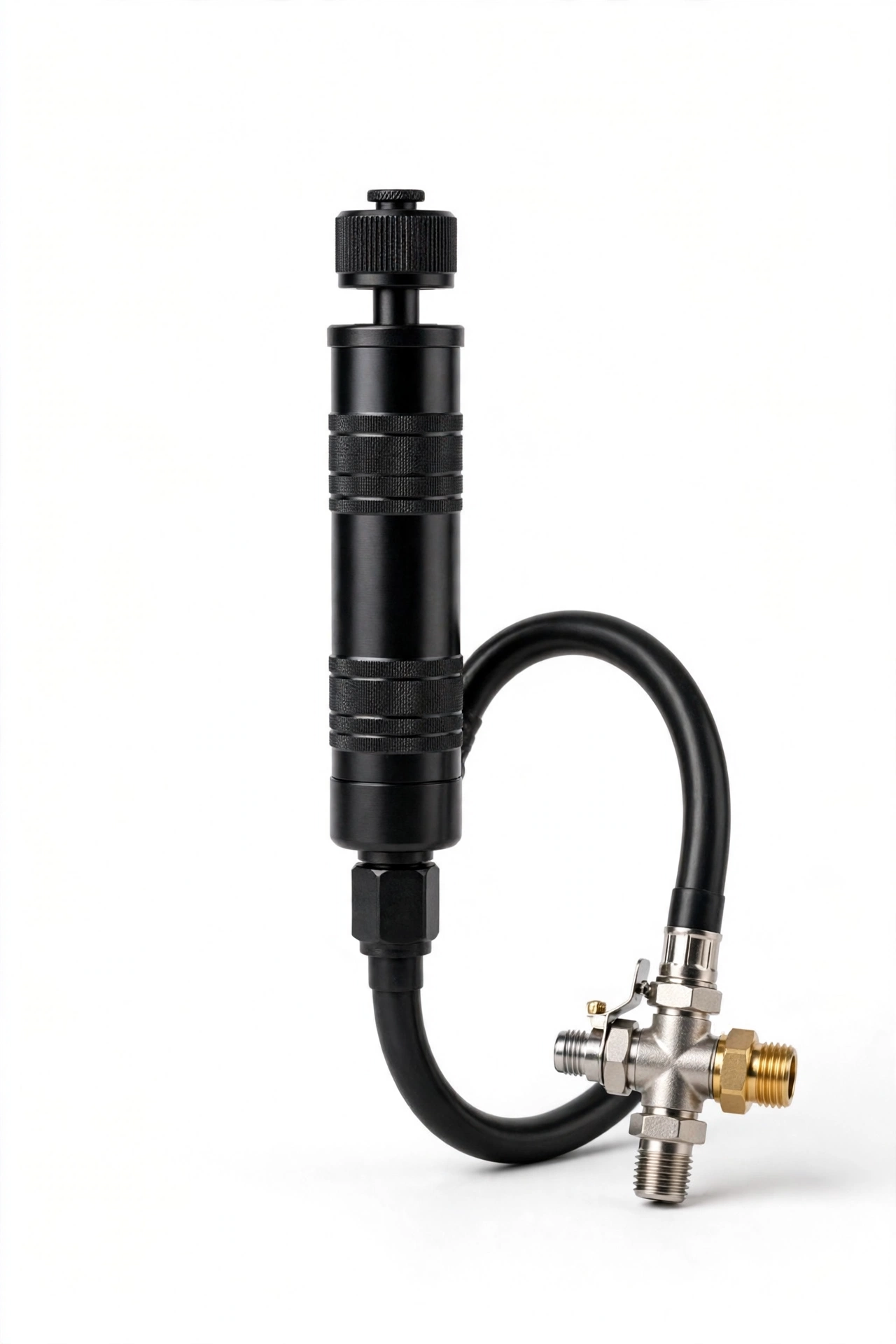
A compact pump to carry for quick top-ups on the road.
The Safe Alternative: Choose the Step-Through
If the commuter frame does not fit you, or mounting with a load is a daily struggle, the step-through is the safe alternative, not a compromise.
- Measure the stand-over. You should have clear space above the frame in your normal shoes.
- Test the mount with your load. Mount and dismount with panniers fitted, in the clothes you ride in.
- Check the battery. Make sure it comes out easily and the rack still takes your panniers.
- Ride your loop. Compare comfort and battery use with the commuter frame.
- Confirm the extras. Check the rack, mudguards and lights, and that the bike stands steady loaded.
If the step-through passes these steps, it will do long rides well — and you will actually ride it.
What to Do Next, in Order
- Ride both frames on your real route, loaded.
- Pick the frame that mounts easily and feels steady.
- Set the fit, tyre pressure and brakes first.
- Plan your charging and read the battery care guide.
- Lock the bike properly and carry a pump.
- After your first long week, re-check fit, rack bolts and battery.
Never Do These on a Long Ride
- Never buy a frame you cannot mount with a load. Mounting is part of every ride.
- Never load a rack above the maker’s rating. Overloading bends racks and makes the bike unstable.
- Never set off with a low battery. A dead e-bike is a heavy bike to ride home.
- Never ignore a new wobble, noise or loose bolt. Stop and walk the bike if it feels unsafe.
- Never ride without a lock and a pump. Stops are when bikes are stolen or tyres go soft.
In short
For most long distance rides, a commuter e-bike is the better default: stiffer under load, usually a larger battery, and an efficient position. But the best frame is the one you can mount easily and ride without pain.
The essentials
- Commuter e-bikes suit long rides; step-throughs suit easy mounting and stops.
- Test both frames on your real route with your real load.
- Keep heavy items low and centred; check rack bolts.
- Charge fully and use lower assist on the flat.
- Match the frame to your body and route, not the catalogue photo.
- Wrong frame already? Fix the fit first — trade in if mounting still hurts.
More Questions, Answered
Which frame is best for long distance rides?
A commuter e-bike: stiff frame, larger battery, efficient position. A step-through wins when easy mounting matters.
Is a step-through good for long rides?
Yes, if it fits and carries your load without flex. Pick a big enough battery and test it loaded.
Are step-through e-bikes less stable?
They can flex more under a heavy, high load. Keep the load low and within the maker’s rating.
Does a commuter e-bike carry more luggage?
Both take racks and panniers. A commuter frame flexes less, but the rack sets the limit.
How do I make the battery last on a long ride?
Charge fully, use lower assist on the flat, and avoid full power unless needed. See How to Make Your E-Bike Battery Last Longer.
Additional Details
Name: Commuter E-Bike vs Step-Through E-Bike: Which Is Better for Long distance rides?
Description: Commuter e-bike vs step-through e-bike for long rides: compare comfort, range, fit and mounting, then run the five-step test to pick the right frame today.
Published: November 9, 2026