Part of our guide on E-Bikes.
An electric mountain bike motor usually gives little warning before it starts to feel wrong: the assist fades halfway up a climb, the motor cuts out on a rough descent, or a new noise appears under load. Most of these problems are not a dead motor. They are usually a loose mount, a dirty sensor, a low battery, or a changed setting.
This guide shows how to care for an electric mountain bike motor, mid-drive or hub, in a safe order. For battery care, read E-Bike Battery Care Companion; for charging safety, read How to Charge an E-Bike Battery Safely.
Quick facts
| Fact | What it means for your ride |
|---|---|
| Problem this guide fixes | A motor that cuts out, loses power, makes a new noise, or gives uneven assist |
| Check first | The mount, the battery, the sensor, the display, and the cables |
| Most common causes | A loose mount, a dirty or moved sensor, a low or cold battery, and the wrong assist setting |
| Tools you need | Your manual, a hex key set, a dry cloth, and the charger |
| Stop and get help | Grinding, smoke, a burning smell, a cracked motor case, or a motor that runs with the bike off |
| Related guides | Mountain Bikes, E-Bike Battery Care Companion, How to Fix Commuter E-Bike Battery Problems |
Quick recap
- Start with the mount, the battery, the sensor and the display.
- Assist that fades on a climb is often a low battery, not a weak motor.
- A motor that cuts out on rough ground often has a loose mount or a sensor that has moved.
- Keep the motor and its sensors clean and dry.
- Stop at once if the motor grinds, smokes, smells of burning, or runs when the bike is switched off.
- When a fix needs a part, match the motor type and voltage exactly, and leave motor repairs to a qualified shop.
The short answer: check the mount, the battery and the sensor first
Most electric mountain bike motor problems are not a dead motor. The straight answer is that a motor that loses power, cuts out or makes a new noise is far more likely to have a loose mount, a dirty sensor, a low battery, or a loose cable than to have failed without warning. Work through the simple checks first.
That order matters because the symptoms overlap. A loose mount can rattle and feel like a failing bearing, and a sensor that has moved a few millimetres can cut the assist and look like a dead motor.
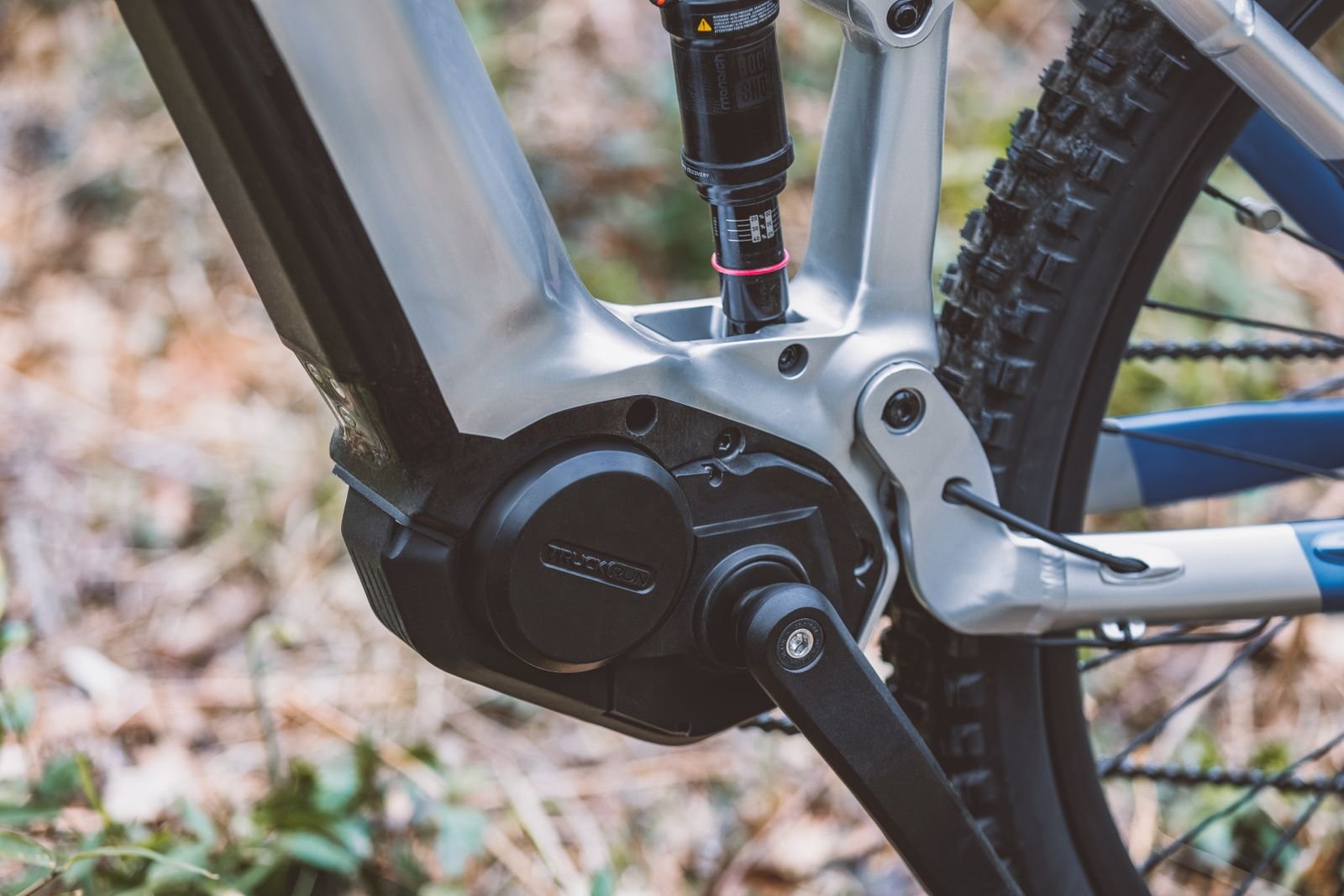
How to check an electric mountain bike motor, step by step
Work through these steps in order, and note the charge level and when the fault happens.
- Ride a short test route. Note whether the power fades only on climbs, on rough ground, or when the battery is nearly empty.
- Check the battery charge and temperature. A low or cold battery gives less power. Warm it indoors first.
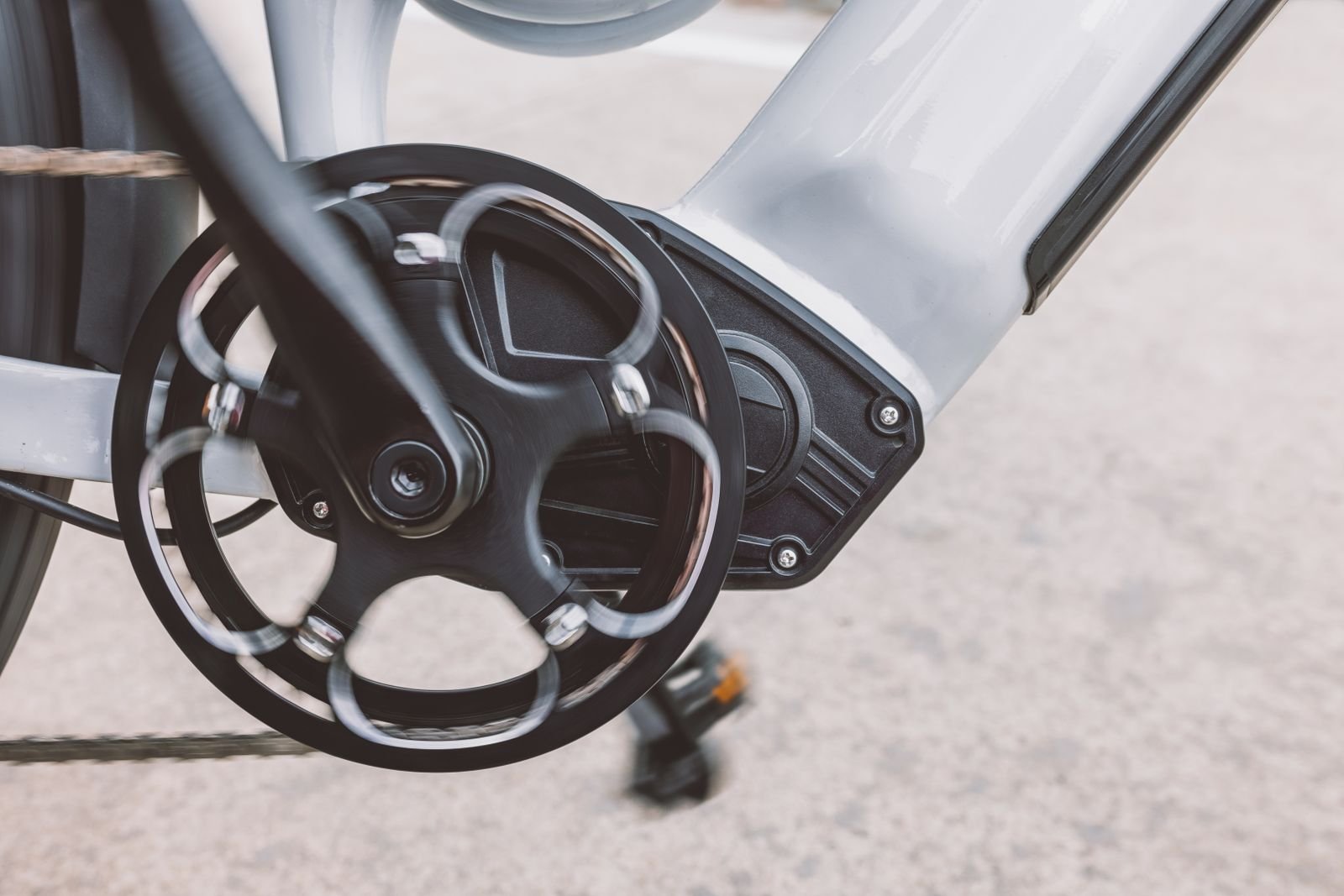
- Look at the motor mount and bolts. Check the mount bolts, and look for cracks in the case.
- Check the speed sensor and magnet. Check the gap between the sensor and the magnet. A moved magnet or a muddy sensor can cut the assist.
- Look at the cables and connectors. Check each cable for loose plugs or cracked insulation.
- Listen to the motor under load. On a gentle climb, listen for grinding. A soft hum is normal; a harsh grind is not.
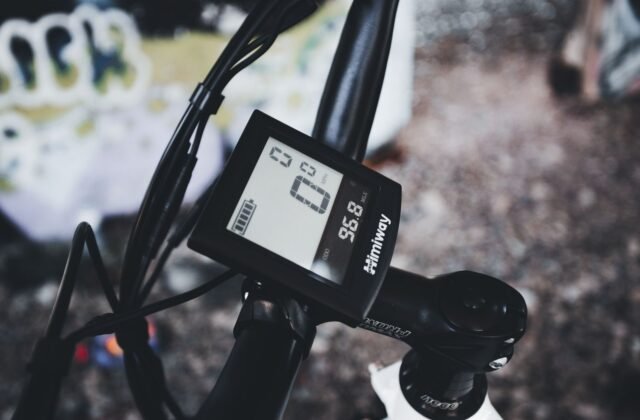
- Check the display and the assist setting. Make sure the display is on, the assist level is right, and no warning shows.
If every step looks normal and the problem stays, get a qualified shop to test the motor, battery and controller.
What you’ll need
- Your manual, or the motor label, for type and voltage
- A hex key set, and a torque wrench
- A dry cloth, and the correct charger
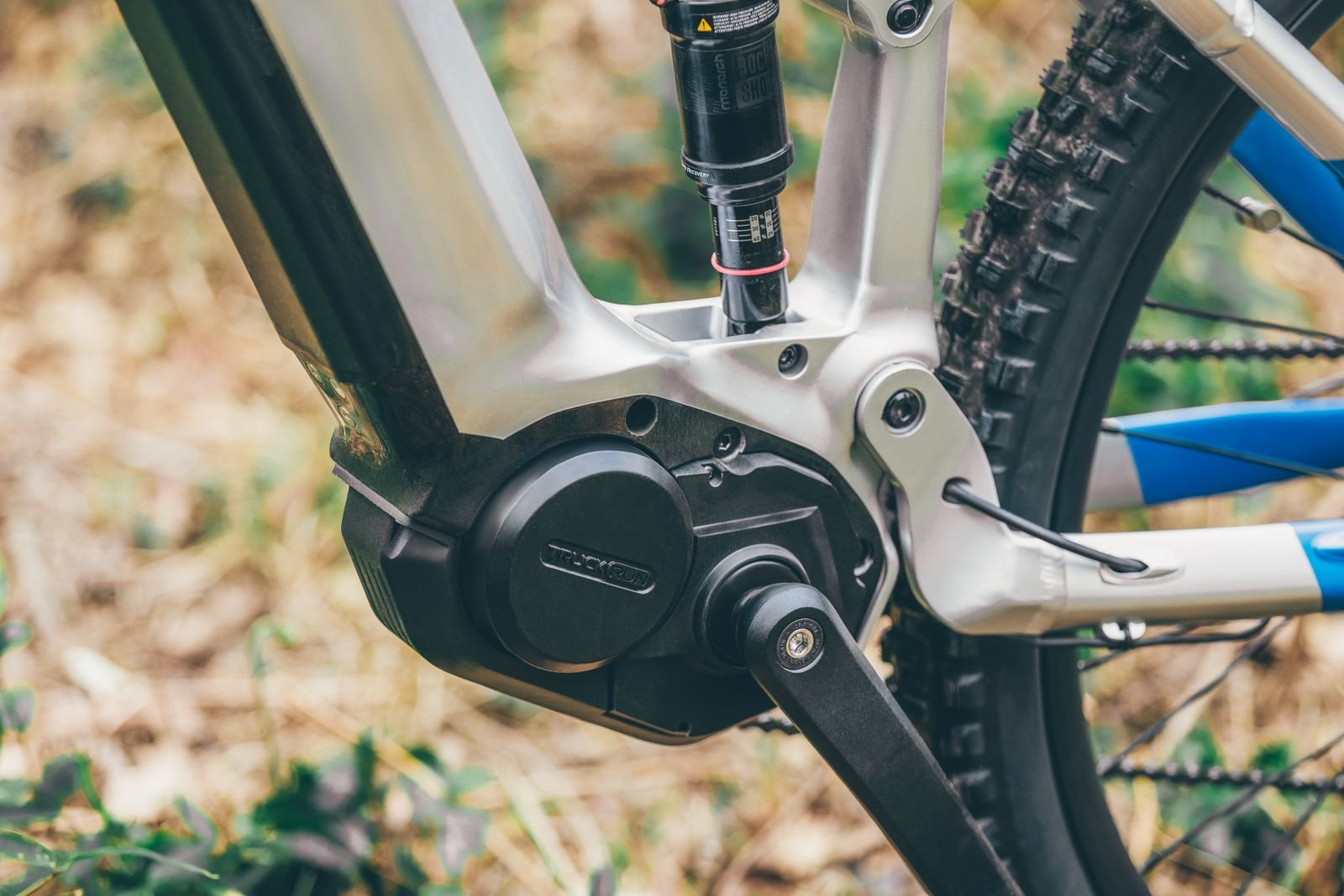
The motor kit below converts a standard mountain bike into an electric bike, and it only fits if the size, voltage and local rules match.

What the symptom usually means
Match what you notice with what to try first.
| Situation | What you’ll notice | What to try |
|---|---|---|
| Motor gives no assist | The display is on but pedalling feels harder | Check the battery, the sensor gap, and connectors |
| Assist fades on climbs | Power drops on steep sections, returns on the flat | Check the battery charge, then try a lower gear |
| Motor cuts out on rough ground | Assist stops on bumps, returns on smooth trail | Check the mount bolts, the battery seating, and the connectors |
| New noise under load | A grind or whine when you pedal hard | Check the mount bolts; get a shop to listen if it stays |
| Assist feels uneven | Power surges and fades | Clean the sensor and magnet; check the display setting |
| Motor is hot or runs on its own | Heat, a burning smell, smoke, or the motor turning with the bike off | Stop riding and get qualified help |

How trails, weather and riding style change the answer
The same motor can feel different on a wet climb. Mud packs around the speed sensor and works into the chain. Clean the sensor, magnet and drivetrain after a muddy ride, then dry them fully.
Cold is different: a battery left in a cold garage gives less power until it warms up. For the full winter routine, read E-Bike Battery Care Companion. Shifting down is easier on the motor than full assist in a high gear.
What works
- Clean mud off the sensor and motor case after wet rides
- Warm the battery indoors before charging
- Shift down before a climb
- Check the bolts and connectors after a hard ride
What to watch
- Never aim a pressure washer at the motor, the battery, the display or the sensors
- Do not judge motor health from one cold ride
- Do not ride on with a motor that has started grinding
- Do not ignore a moved sensor: a millimetre of gap can stop the assist
Settings and controls that change how the motor feels
Before deciding a motor is weak, check the settings. The highest assist can empty a battery far sooner than the lowest, and a rider who changed it by accident can mistake the result.
The display is part of the diagnosis. A range estimate is only a guess; trust the battery bars instead. If the display goes blank while the battery still shows charge, check the connection. Gears matter too: the motor is happiest when your legs keep turning.
What works
- Use the lowest assist that keeps the climb comfortable
- Shift down before the gradient bites
- Compare the battery bars on the same route
- Check the display and cable after any knock or wet ride
What to watch
- A display that drops from full to empty in minutes points to a connection fault
- A motor straining in a high gear is being asked for too much
- Do not ride with a display that sticks or resets by itself
When a fix needs a part or a replacement
Some motor problems have a simple fix, and some need a part. A loose mount can be tightened, a dirty sensor cleaned, and a moved magnet put back. A cracked case or a failed controller is a job for a shop. Match the motor type, voltage and maker approval exactly.
| Fix | Best use | Limit |
|---|---|---|
| Tighten the motor mount | Motor rattles | Use the torque in your manual |
| Clean and reset the sensor and magnet | No assist | Will not help if the sensor is damaged |
| Refit cables and connectors | Display resets | Do not force a connector |
| Replacement motor or controller | Grinding or a burning smell | Must match the bike; get a shop to fit it |
| Professional diagnosis | Smoke, heat, or a fault no check explains | Do not open the motor case yourself |
What works
- Keep the manual and motor label
- Ask a shop to test the motor first
- After any fix, start with a short, low-assist ride
What to watch
- A cheap motor can damage the battery and the bike
- A second-hand motor can carry the same fault
- Do not ride a motor a shop told you to stop using
A rear-wheel motor kit is the other common way to power a mountain bike. The kit below is a 48V hub motor in a 26-inch rear wheel, and it only fits if the size, voltage and local rules match.

The verdict
Most electric mountain bike motor problems are fixed by tightening the mount, cleaning the sensor, and charging a warm battery, not by buying a new motor. When those checks fail, or the motor grinds or smells of burning, a qualified shop test is the right next step.
Readers also ask
How long does an electric mountain bike motor last?
There is no single number. A motor kept clean, dry and tight lasts far longer.
Why does my electric mountain bike motor cut out on climbs?
Start with the battery, then the sensor and magnet, then the mount. A low battery, a moved sensor, or a loose mount can each cause it.
Can I wash my electric mountain bike motor?
Yes, gently. Use a soft brush and a damp cloth, and dry the motor and sensor fully. Never use a pressure washer on it.
Why is my e-bike motor making a grinding noise?
It often means a loose mount or a worn bearing. Stop riding and get a shop to listen if the noise stays.
Should I ride an electric mountain bike in the rain?
Yes, in normal rain. Dry the bike afterwards, and do not charge a wet battery.
Can I fit a conversion motor kit to my mountain bike?
Sometimes. A kit must match your wheel size, frame and battery voltage, and follow local rules. If not, a factory electric mountain bike is safer.
Affiliate Disclosure: We may earn a commission when you buy through links on this site, at no extra cost to you.
Additional Details
Name: Electric Mountain Bike Motor Care Guide for Beginners
Description: Learn electric mountain bike motor care: diagnose cut-outs, noises and weak assist, check the mount, sensor and battery, and know when a part is the right call.
Published: November 16, 2026