Part of our guide on E-Bikes.
An electric mountain bike tyre works harder than a normal mountain bike tyre. The motor adds torque at the rear wheel, the bike weighs more, and climbs are faster, so the tread wears sooner and a soft tyre wastes more battery range than most riders expect.
This guide shows how to care for electric mountain bike tyres in a safe order, from the pressure and tread checks that take two minutes to the point where a repair or replacement is the right call. For the battery side, read How to Fix Electric Mountain Bike Battery Problems; for range, read How to Care for Electric Mountain Bike Range and Make It Last.
Quick facts
| Fact | What it means for your ride |
|---|---|
| Problem this guide fixes | Tyres that wear fast, lose grip, puncture often, or go soft between rides |
| Check first | Pressure, tread, sidewalls, valve, and sealant if tubeless |
| Most common causes | Low pressure, worn tread, rock cuts, dried-out sealant |
| Tools you need | A pump with a gauge, tyre levers, a cloth; sealant and a spare tube |
| Stop and get help | A bulging sidewall, a casing cut, or a tyre that will not hold air |
| Related guides | Commuter E-Bike Tyres, Folding E-Bike Tyres |
Quick recap
- Check pressure before every ride; the range is printed on the sidewall.
- The rear tyre wears first, because the motor drives it.
- A tyre that goes soft overnight has a slow puncture or dried-out sealant.
- Clean mud off the tread and sidewalls after wet rides.
- Stop at once if the sidewall bulges or a cut shows the casing.
The short answer: keep the pressure right and check the tread every week
Most electric mountain bike tyre problems come down to pressure and wear. The straight answer is that a tyre kept at the pressure printed on its sidewall, and checked weekly for wear, cuts and stones, will last longer and grip better than one that is only looked at when it goes flat. The motor wears the rear tyre first, so watch that tyre most closely.
The symptoms overlap: a soft tyre can feel like a motor fault on climbs, while a worn centre tread can slip on wet roots and look like a braking problem.
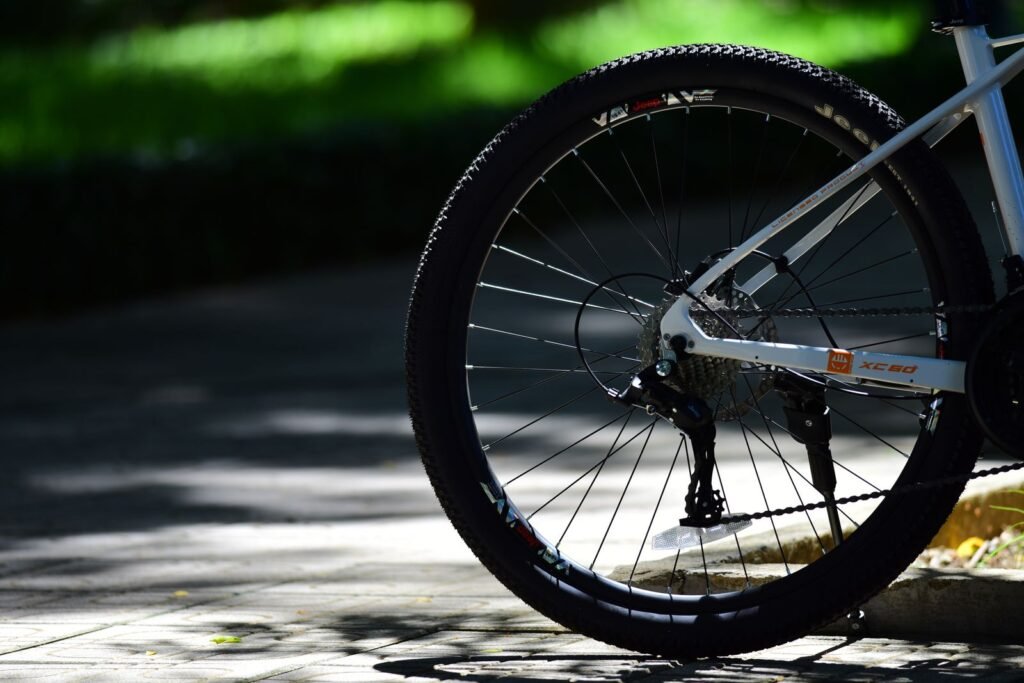
The check section finds the wear, the reference section matches each symptom to its cause, and the later sections cover terrain and settings.
How to check electric mountain bike tyres, step by step
Work through these steps in order, and note the pressure and where the wear sits.
- Read the pressure. Use a gauge, not a squeeze, and compare it with the range on the sidewall.
- Look at the centre tread. Worn-down centre knobs on the rear tyre mean it has done its main work; on the front, the same wear means less braking grip.
- Check the sidewalls and pick out stones. Look for cuts, cracks and bulges, and pull out anything embedded. A bulge or a cut that shows the casing means the tyre must come off.
- Check the valve and spin the wheel. Press the valve briefly and listen for a leak, then refit the cap. Spin the wheel and watch for a wobble.
- Ride a short test on low assist. On a familiar stretch, note whether the grip feels vague or the tyre slips on climbs.
If every step looks normal and the tyre still goes soft, get a shop to check the rim, the valve and the sealant.
What you’ll need
- A pump with a pressure gauge
- Your manual, or the sidewall, for pressure range and tyre size
- Tyre levers and a spare tube or plug kit
- Sealant, if tubeless, and a cloth for the tread
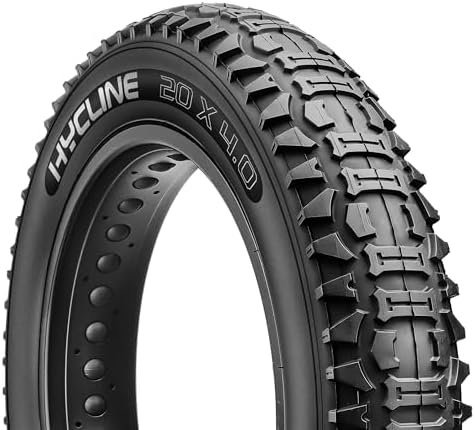
One Amazon product in this section only: the replacement tyre below is a 20×4.0-inch e-bike fat tyre.
What the wear usually means
Use this table to match what you notice with what to try first. If a tyre shows a bulge or a casing cut, skip the table and take the tyre off.
| Situation | What you’ll notice | What to try |
|---|---|---|
| Tyre goes soft overnight | Pressure falls between rides | Check the valve, then look for a slow puncture |
| Centre tread worn smooth | Rear tyre slips on climbs and loose ground | Move the front tyre to the rear, or fit a new rear tyre |
| Sidewall cut or bulge | A nick, crack, or soft bulge in the sidewall | Stop riding on it; a damaged sidewall cannot be repaired |
| Grip fades on wet roots | The bike slides where it used to hold in the wet | Check the shoulder knobs; worn shoulders lose grip first |
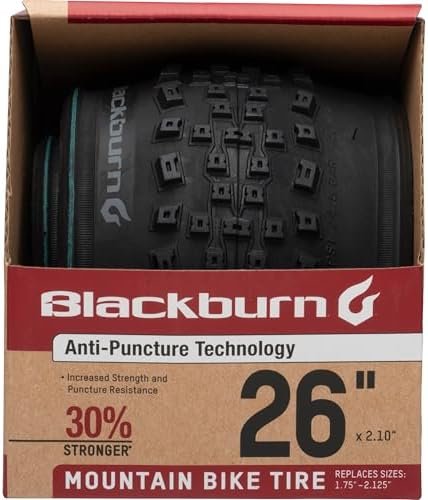
A tyre with a protective layer under the tread stands up better to sharp rocks.
How terrain, weather and riding style change the answer
The same tyre can feel different on wet roots, on sharp rock, or after a dry, dusty summer. Mud is the most common surprise: a tread that clears itself on dry ground packs with mud on a wet ride and loses grip on the next climb. Clean the tread after wet rides and check the pressure again. For road-biased tyres, read How to Care for Commuter E-Bike Tyres and Make It Last.
Rock cuts sidewalls and pinches tubes, and a tyre run too soft on rocky ground is far more likely to pinch-flat. Riding style matters too: hard braking wears the rear tread quickly, while spinning the motor hard out of corners wears the centre knobs.
What works
- Clean mud off the tread and sidewalls after wet rides, then let the tyre dry
- Run the upper end of the sidewall range on rocky ground, to resist pinch flats
- Ease off the power on loose climbs, and let the tread grip
What to watch
- Do not ride a tyre with a sidewall cut; it can fail without warning
- Do not judge tread life from one muddy ride; compare the knobs with a new tyre
- Do not keep topping up a tyre that goes soft daily; find the leak
Settings and controls that affect tyre life
Before deciding a tyre is worn out, check the settings that decide how hard it works. The highest assist on a steep climb spins the rear tyre hard and wears the centre tread far sooner than the lowest assist.
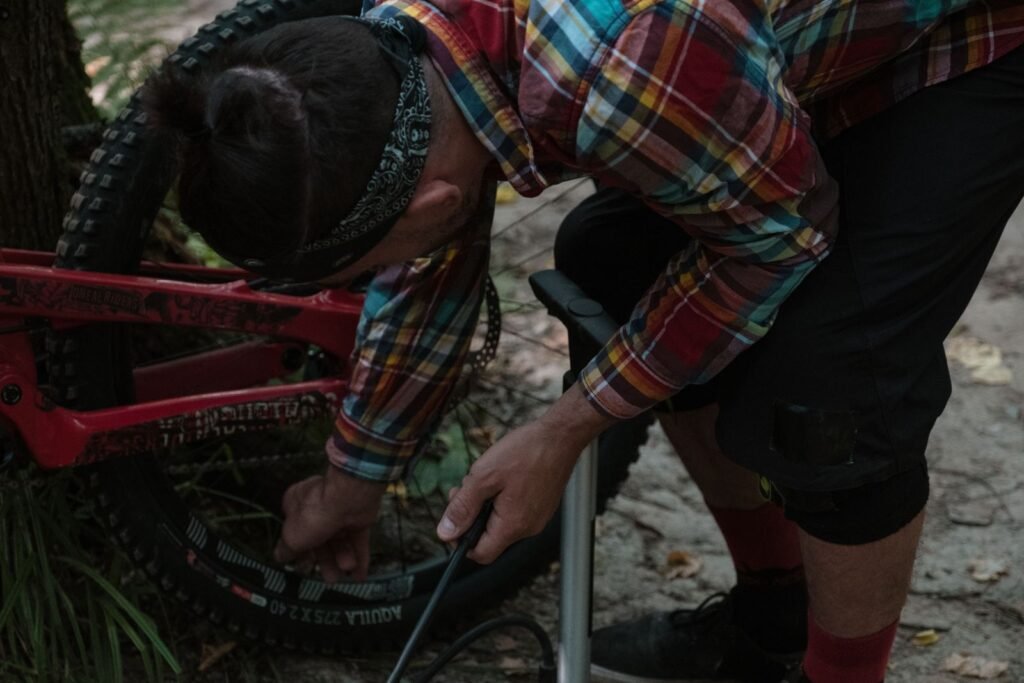
Pressure is part of the same check. A gauge reading is the only reliable number; a tyre run soft rolls slowly, wears its shoulders, and risks a pinch flat.
What works
- Use the lowest assist that keeps the climb comfortable, and save the highest level for the steepest parts
- Check pressure with a gauge before every ride
- Check the valve cap is on after every top-up, to keep mud out
What to watch
- A tyre that loses pressure overnight points to a leak or a valve fault
- A reading that changes wildly means the gauge or valve is at fault; do not replace a tyre for it
- Do not ride with a tyre that slips on the rim; get it checked
When a fix needs a part or a replacement
Some tyre problems have a simple fix, and some need a part. A slow puncture can be plugged, a valve core replaced, and a soft tyre pumped up. A bulging sidewall, a casing cut, or a tread worn smooth cannot be fixed at home. When a part is needed, match the wheel size and the width your rim and frame allow, as explained in How to Care for Electric Mountain Bike Range and Make It Last.
| Fix | Best use | Limit |
|---|---|---|
| Top up the pressure | A soft but undamaged tyre | Will not help if the tyre leaks |
| Plug or patch a puncture | A small hole in the tread, casing sound | Do not patch a sidewall cut |
| Fit a new rear tyre | Centre tread worn smooth, or grip gone | Must match wheel size and rim width |
| Professional check | A bulge, a casing cut, or a tyre that will not hold air | Do not ride on a damaged sidewall |
What works
- Keep the manual and sidewall label with the bike, so a replacement is matched from the label
- Ask a shop to check a tyre that will not hold air before buying a replacement
- After any fix, start with a short, low-assist ride and check the grip
What to watch
- A cheap tyre that only fits the rim can wear fast and grip poorly
- A second-hand tyre can carry the same wear you are trying to fix
- Do not keep riding a tyre that a shop has told you to stop using
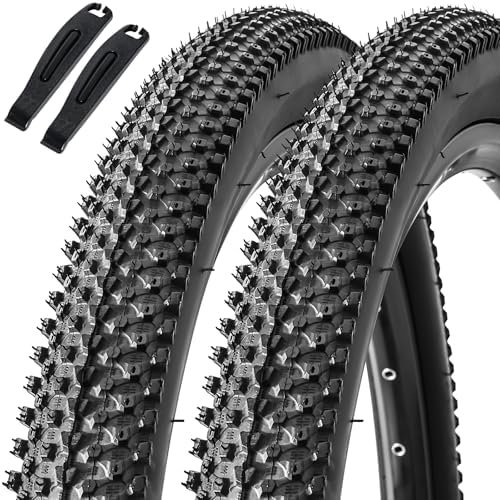
Replacing a worn pair is often simpler than fixing one tyre at a time. The set below is a pair of 26×1.95-inch folding mountain bike tyres, with levers included.
The verdict
Most electric mountain bike tyre problems are fixed by keeping the pressure right, cleaning the tread, and replacing the rear tyre when its centre knobs wear smooth. When a sidewall bulges or a cut shows the casing, a replacement is the right next step.
Readers also ask
Why does my rear e-mountain bike tyre wear out faster than the front?
The motor drives the rear wheel, so it takes the torque on every climb. Check the rear tread first, and replace it before the front.
What pressure should electric mountain bike tyres be?
The range printed on the sidewall is the right range for that tyre. Use a gauge, and run the upper end on rocky ground and the lower end on soft trails.
Can I patch a cut in an electric mountain bike tyre sidewall?
No. A sidewall cut or bulge means the tyre must be replaced. Patches are only for small holes in the tread, where the casing is sound.
How do I know when my e-mountain bike tyres need replacing?
When the centre knobs are worn smooth, the shoulders are rounded, or the tyre will not hold air after the valve and sealant are checked.
Do tubeless tyres need sealant top-ups?
Yes. Sealant dries out, and a tyre that goes soft with no visible damage often needs fresh sealant. Check it when you check the tread.
Affiliate Disclosure: We may earn a commission when you buy through links on this site, at no extra cost to you.
Additional Details
Name: How to Care for Electric Mountain Bike Tyres and Make It Last
Description: Learn how to care for electric mountain bike tyres: check pressure, tread and wear, fix punctures, and know when a replacement tyre is the right call.
Published: November 17, 2026