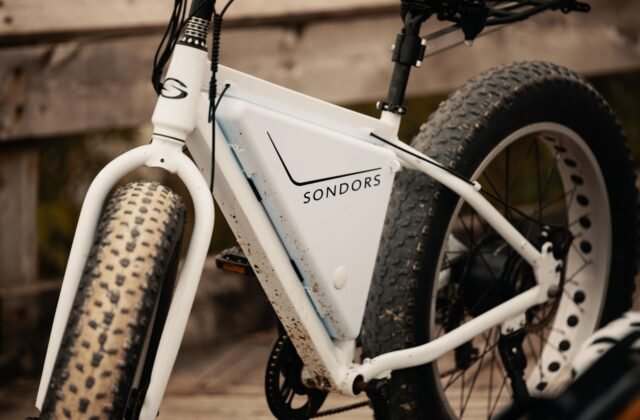
Straight answer: on snow, slush and unploughed tracks, the electric mountain bike is better — its wide, knobbly tyres grip where a narrow lightweight e-bike slips. On cleared roads and paths, the lightweight e-bike is better — it is easier to carry over ice and up steps, and it wastes less of its battery moving its own weight. Winter changes which bike stays upright, keeps its range and can be lifted when the ride stops.
Winter is the hardest test of the electric mountain bike vs lightweight e-bike question. Grip matters more than speed, cold shortens battery range on both types, and a bike you cannot lift is a bike you cannot carry over a snowdrift or up icy steps. So the answer depends on where you ride, not on motor size.
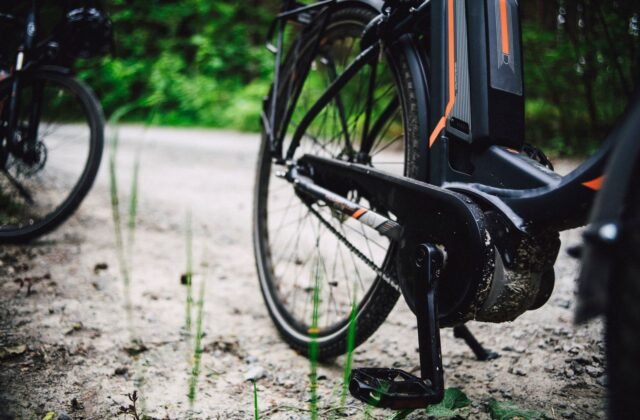
An electric mountain bike pairs a strong motor with wide, knobbly tyres, suspension and a heavy frame built for rough ground. A lightweight e-bike pairs a smaller motor and battery with narrow tyres and a frame you can lift with one hand. In summer that is about comfort and speed. In winter it is about grip, range and getting the bike home on ice.
This guide compares the two side by side for winter, gives you a 10-minute test to run before you buy, and shows how to set up whichever bike you choose. It builds on the site’s E-Bikes Hub, which notes that cold weather shortens range.
Electric Mountain Bike vs Lightweight E-Bike in Winter
The table is the whole comparison in one place. Read “What to watch” first if you already own one of the two.
| Attribute | Electric Mountain Bike | Lightweight E-Bike | What to Watch |
|---|---|---|---|
| Winter grip | Wide, knobbly tyres spread your weight over snow and slush | Narrow tyres grip cleared tarmac but slip on snow | Tyre width and tread matter more than motor power |
| Weight and carrying | Heavy — hard to lift over snowbanks, ice ridges and stairs | Light — easy to lift, push and store indoors | Can you lift it onto a rack or up steps with one hand? |
| Motor help | Stronger help pushes through soft snow and headwinds | Lighter help; you pedal more and stay warm | Snow drag makes motor help matter more |
| Cold-weather range | Bigger battery, more weight to move | Smaller battery, far less weight | Cold shortens range on both — charge the battery indoors |
| Braking | Wide tyres and disc brakes stop better on slush | Narrow tyres can lock up and slide on ice | Check your brakes before the first frost |
| Comfort and control | Upright and stable over ruts and ice | Nimble, but twitchy on ruts and ice | Test on the surface you actually ride |
| Best for | Snow, trails, unploughed lanes, steep climbs | Cleared roads, short commutes, carrying, storage | Match the bike to your worst winter day, not your best |
In short: the electric mountain bike wins where the surface is bad, and the lightweight e-bike wins where the surface is good and the bike must be carried.

When the Answer Changes
The verdict above holds for a typical winter. Change one of the variables below and it can flip.
- Your route is ploughed and gritted every morning. Weight and range decide it — and the lightweight e-bike pulls ahead.
- You ride unploughed lanes, trails or a hill in snow. Grip and motor help decide it — and the electric mountain bike pulls ahead. See also Electric Mountain Bike vs Mid-Drive E-Bike: Which Is Better for Hills?
- You must carry the bike. Stairs, a train or a car rack all favour the lightweight e-bike, whatever the weather.
- Your winter is mostly cold and dry. On dry, gritted tarmac the lightweight e-bike rolls easily.
- You ride in deep or wet snow every week. Wide tyres float where narrow tyres cut in and stop.
A 10-Minute Winter Test Before You Buy
Run this test on the bike you want to buy — or the one you own — on the worst surface you ride.
- Lift it. Pick it up and carry it up steps or onto a car rack. If you cannot lift it safely, every snowdrift will punish you.
- Push it through slush. Walk it 20 metres through slush. If the front wheel digs in and stops, the tyres are too narrow.
- Ride 100 metres on snow. Pedal slowly, brake gently with both brakes, and note how far you travel — your real winter stopping distance.
- Try a low gear on a slope. Climb a short snowy rise on low assist. If the rear wheel spins, you need more grip, not more power.
- Check the battery in the cold. Note the charge at the start and after 10 minutes. A sharp fall means charge indoors and ride on lower assist.
What a fail looks like
- Rear wheel spins, bike goes nowhere → tyre too narrow or too hard → fit wider winter tyres or drop pressure a little.
- Battery gauge falls fast → cold battery, high assist → charge indoors, start on low assist.
- Bike slides under braking → tyres cannot grip ice → brake earlier, use both brakes, fit winter tyres.
Myth: “A bigger motor always wins in winter.”
Fact: A motor cannot help a spinning wheel. Grip decides whether power reaches the ground, so tyres and pressure matter more than motor size on snow and ice.
Before you test: ride in daylight, wear a helmet, keep speeds low, and test on a quiet road — never on a busy road in falling snow.

The Winter Method: How to Set Up the Bike You Choose
What you will need
- Winter or all-season tyres that fit your frame
- A track pump with a pressure gauge
- Wet-weather chain lube and a clean rag
- A battery charger, and a warm indoor charging spot
- Front and rear lights
- A helmet and gloves that still let you brake and shift
The method
- Fit the right tyres. Winter tyres with an open tread clear slush instead of packing it in. Fit the widest your frame allows.
- Set the pressure for snow. Drop pressure slightly from summer — a softer tyre spreads over snow — but stay inside the range on the tyre wall.
- Charge the battery indoors. Cold shortens range, so charge at room temperature and fit the battery just before you ride.
- Lube the chain for wet weather. Wash off salt and grit after a ride, dry the chain, and use wet-weather lube so it does not rust.
- Check the brakes. Clean rims or discs, check pads, test both brakes before the first frost — stopping distance grows in winter.
- Test ride your real route. Ride your real route at your real time and note where ice forms. Change the route before you change the bike.
Note: A softer tyre grips better on snow but rolls slower on tarmac — a trade worth making in winter.
Warning: Do not charge a battery that has been left outside in freezing cold. Bring it indoors first and let it warm to room temperature before charging.
Important: Salt and grit destroy a drivetrain faster in winter than rain does in summer. A quick wipe after every ride is the cheapest maintenance there is.
When the Damage Is Already Done
Bought the wrong side for your winter? Start with the cheapest fix — tyres — and work up.
- Your electric mountain bike is too heavy to carry. Take the battery off before lifting, use walk assist on snowbanks, and store it at ground level.
- Your lightweight e-bike slips on snow. Fit the widest winter tyres the frame allows, drop pressure slightly, and walk the icy sections.
- Your range collapses in the cold. Charge indoors, start on low assist, shorten the route until spring. A cold battery is not a dead battery.
- Your brakes feel weak in slush. Clean the discs or rims, replace worn pads, and read the site’s brake guide: Disc Brake vs Rim Brake: Which Is Better After Rain?
- You slide on the same icy corner every day. The best winter fix is often a flatter, gritted road, not a new bike.

The Safe Alternative: The Lightweight E-Bike as a Winter Bike
If the electric mountain bike is too heavy, too big to store, or more bike than you need, the lightweight e-bike is a genuine winter alternative — set it up for winter, not summer.
- Pick cleared routes. Plan a winter route on gritted roads, and keep a shorter route for snow days.
- Fit the widest tyres the frame allows. Even a small jump in width, with a winter tread, changes grip on slush.
- Keep the battery warm. Take it indoors after every ride and charge it at room temperature.
- Ride on low assist. You pedal more, stay warmer, and the battery lasts longer.
- Walk the icy parts. Walking 20 metres is not a failure — it is how lightweight bikes survive winter.
Done this way, a lightweight e-bike handles most winter commutes — see the city comparison in Folding E-Bike vs Lightweight E-Bike: Which Is Better for City Riding?
What to Do Next, in Order
- Ride your worst winter route and note snow, ice and carrying points.
- Run the 10-minute test on the bike you have or the bike you want.
- Fit winter tyres before the first snow, not after it.
- Set up indoor battery charging.
- Check brakes, lights and chain — every week in winter.
- Only then decide: keep your bike, change its tyres, or change the bike.
Never Do These in Winter
- Never ride on worn summer tyres on ice — grip is already gone by the time you feel it slip.
- Never charge a freezing-cold battery — bring it indoors and let it warm up first.
- Never grab only the front brake on ice — the front wheel will lock and slide.
- Never leave the battery flat in a cold shed all winter — store it indoors, partly charged.
In short
In short: the electric mountain bike is the better winter bike where the road is covered in snow. The lightweight e-bike is better where the road is cleared. Choose by your worst winter day, fit winter tyres either way, and keep the battery warm.
The essentials
- Wide, knobbly tyres beat motor power on snow.
- Cold shortens range on every e-bike — charge indoors.
- If you must carry the bike, weight matters more than grip.
- Winter tyres before the first snow, not after it.
More Questions, Answered
Can I ride a lightweight e-bike in snow? Yes, on light snow and cleared roads, with winter tyres and low assist. In deep snow, walk the worst sections.
Do fat tyres really help in winter? Yes. A wider tyre spreads your weight over snow instead of cutting through it.
Should I store the battery indoors in winter? Yes. Keep the battery indoors, charge it at room temperature, and never leave it flat in a cold shed.
Additional Details
- Name: Electric Mountain Bike vs Lightweight E-Bike: Which Is Better for Winter?
- Description: Electric mountain bike vs lightweight e-bike for winter: which wins on snow, range and weight? The straight answer, a 10-minute test and the winter setup.
- Published: November 9, 2026