Photo: Masood Aslami / Pexels
For most winter riders, a hub-motor e-bike is the better choice. Its wider tyres, upright riding position and steady low-speed handling cope better with snow, slush and ice than a road e-bike’s narrow tyres and low, forward position. A road e-bike wins only on cleared, dry roads, where its light weight and speed matter more than grip.
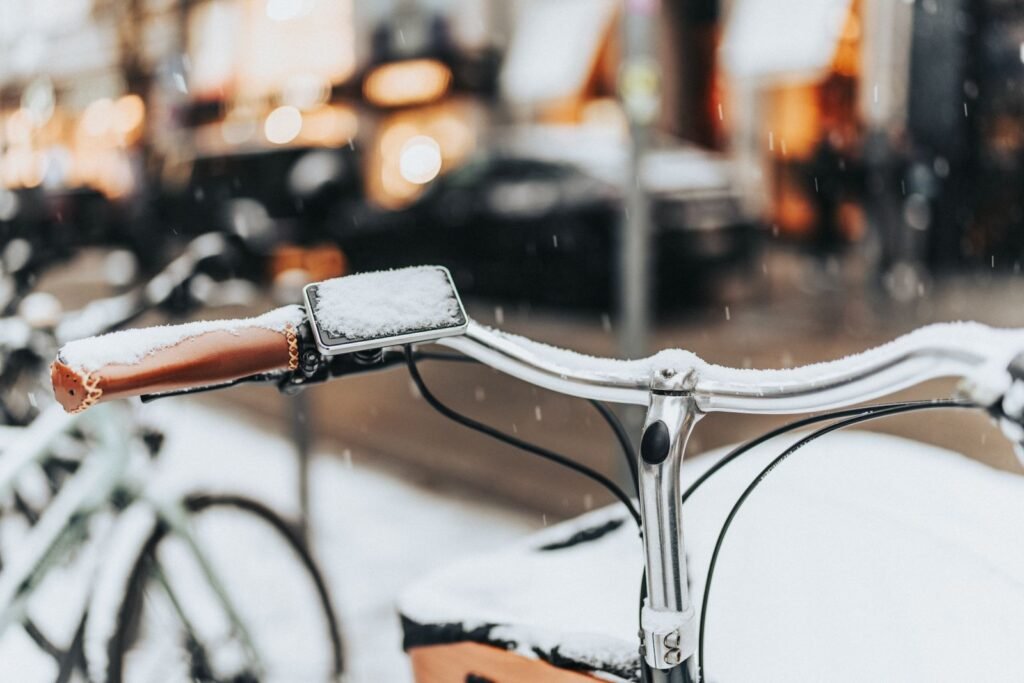
Winter changes what matters on an e-bike. In summer, speed and weight decide most rides. In winter, grip, balance and how a bike behaves at a walking pace decide whether you arrive relaxed or shaken. Snow, slush, black ice, road salt and short, dark days all push a bike in ways a dry summer road never does.
That is why they feel so different once the temperature drops. A road e-bike is built for smooth tarmac: light, fast, with narrow tyres and a low riding position. A hub-motor e-bike is usually built around a wider, heavier frame with an upright position, wider tyres and a motor in the wheel, which makes it steadier when the surface turns messy.
This guide compares the two for winter riding only. For the rest of the e-bike comparisons, see the E-Bikes Hub, and the fat-tyre e-bike vs hub-motor e-bike guide if winter grip is your first concern.

A fast e-bike for longer, quicker road rides.
Road e-bike vs hub-motor e-bike for winter
A road e-bike is a shape — a light frame, drop bars and narrow tyres. A hub-motor e-bike is a drive — a motor in the front or rear wheel. Many bikes are both, so check the tyres, the riding position and where the motor sits first.
| Attribute | Road e-bike | Hub-motor e-bike | What to watch |
|---|---|---|---|
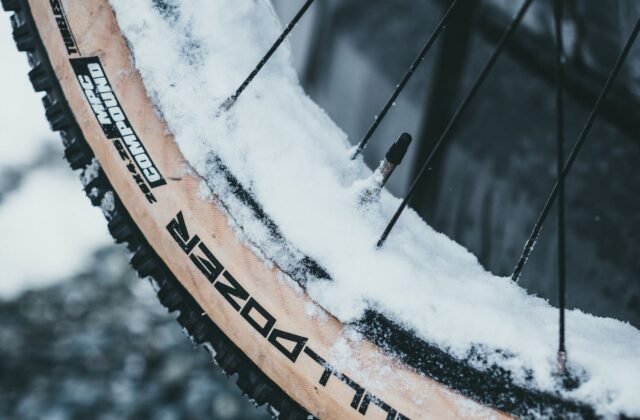
| Tyres and grip | Narrow and smooth, for dry tarmac | Usually wider, with more tread | Fit the widest winter tyres the frame allows |
| Riding position | Low and forward, weight on your hands | Upright, with a wide view | An upright position helps you spot ice |
| Low-speed stability | Can feel twitchy in slush | Steadier at walking pace, in slush | Test slow turns, not just top speed |
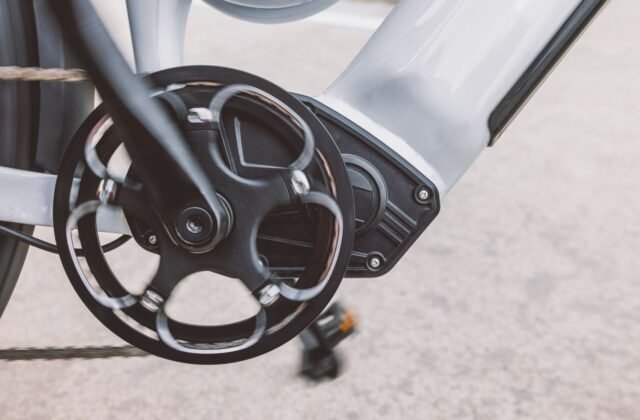
| Motor and drive | Often a light mid-drive or hub motor | Motor in the wheel, simple and direct | Check the motor and cables are protected from salt |
| Weight and lifting | Light, easier to carry up steps | Heavier, harder to lift when wet | Lift it as you would after a winter ride |
| Cold and range | Battery cools fast on an open frame | Battery and motor often sit low | Store the battery indoors |
| Braking in the wet | Disc brakes are common, but narrow tyres limit grip | Same brakes, wider tyres give more grip | Test braking on a quiet, wet stretch |
| Best winter use | Cleared, dry roads and fast rides | Snow, slush, icy patches and short rides | Match the bike to your usual winter road |
When the answer changes
Five variables can flip the verdict. What changes is the road you actually ride, and how often it stays clear.
- Road condition: If your route is gritted and ploughed every morning, a road e-bike stays a fair choice. If not, the hub-motor bike wins.
- Distance and speed: A short, flat commute in traffic favours the steady hub-motor bike. A long, fast ride on clear roads favours the road bike.
- Hills: On icy hills, both need care. The hub-motor bike starts without spinning, but walk either bike up a steep, icy climb.
- Carrying and storage: If you carry the bike up stairs, or lift it onto a train, the road bike’s light weight matters most.
- Your confidence: If you are new to winter riding, or you ride after dark, choose the steadier bike.
In short, the road bike wins only when the roads are cleared and the weather stays dry. See the electric mountain bike vs hub-motor e-bike comparison for hills and mixed ground.

750W peak motor, 60+ miles, and a 7-speed drivetrain — light and simple for weekend loops.
Test before you decide
Do not decide from a showroom spin. Test it on your real route, in winter clothes, at winter speeds.
- Ride a quiet street first. Start, stop, turn both ways and ride slowly.
- Climb a short hill from a standing start, then stop on it and start again.
- Ride over rough ground and check the bike stays straight.
- Ride with your winter bag and layers, not light clothes. Weight and bulk change balance.
- Test in the dark, with lights on, if you will commute after sunset.
What a fail looks like
- Steering feels vague or heavy → Tyres too narrow, or pressure wrong → Fit wider winter tyres if the frame allows.
- The rear wheel spins on a hill start → Too much power too quickly → Start in a low assist level.
- Braking feels long and skiddy → Narrow tyres, or wet pads → Brake earlier, with both brakes even.
- Your hands go cold and numb → Drop bars and thin gloves → Fit winter gloves, and bar mitts for cold rides.
Myth vs Fact:
Myth: A road e-bike is always faster in winter.
Fact: It is faster only on clear, dry roads. On snow, slush and ice, the steadier bike is faster.
Before you test: Check brakes, tyre pressure and bolts first, wear a helmet, and choose a quiet route. Never test an unfamiliar bike in busy traffic, in the dark, or on ice.
How to prepare either bike for winter
Neither bike is ready for snow straight from the shop. This method works for both.
What you will need
- Winter tyres that fit your frame, with room for mudguards
- Mudguards, front and rear
- A pump and a pressure gauge
- Winter gloves and lights you can clean fast
- A cloth and brush for salt and grit
- A dry, indoor place for the battery
The method
- Fit the widest winter tyres the frame allows, with room for mudguards.
- Fit mudguards front and rear.
- Set the pressure a little lower than in summer, and check it before cold rides.
- Clean the chain, brakes and motor after salty rides, and dry the bike.
- Bring the battery indoors when you are not riding, and charge it at room temperature.
- Ride a short, quiet test first, and adjust the tyres, saddle and lights before a real commute.
Note: Lower pressure gives more grip, but too low risks a puncture. Stay in the range on the tyre sidewall, and check it cold.
Warning: Do not ride on ice you cannot walk on. If your boots slip on the road, walk the bike. No tyre or motor makes black ice safe.
When the damage is already done
If you already bought a road e-bike, work through this list first. Most problems have a fix short of a new bike.
- Tyres feel too narrow and skittish: Fit the widest winter tyres the frame allows. If none fit safely, use the bike only on cleared roads.
- Your back and shoulders ache: The low position is doing too much work. Raise the bars if you can, and take breaks on cold rides.
- The battery fades fast in the cold: Keep it indoors between rides, and charge it at room temperature.
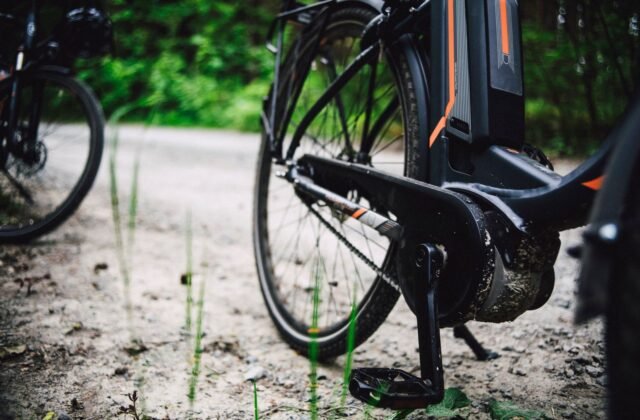
- Salt is eating the chain and brakes: Clean and dry the bike after salty rides. Salt left on the bike does more harm than snow.
- Nothing fits, and the rides keep getting harder: That is the sign to change bikes. A hub-motor bike, or a step-through with wider tyres, will carry the same winter rides with far less fuss. See the commuter e-bike vs road e-bike and folding e-bike vs hub-motor e-bike comparisons.
The hub-motor e-bike as a safe alternative
There is one honest case for switching: your roads are mixed, your rides are daily, and you value arriving steady over arriving fast. Use the hub-motor bike as your winter bike, and keep the road bike for dry days.
- Choose a hub-motor bike with the widest tyres you can fit, and an upright position you can hold.
- Fit mudguards and lights first, before any other accessory.
- Set the assist low for slippery starts, and raise it only when the road is clear.
- Ride your real route at winter speed, and note the icy spots. Change the route if a spot is always bad.
What to do next, in order
- Ride your usual winter route, in winter clothes, on the bike you have now.
- Check the widest winter tyres your frame can take, with mudguard clearance.
- Fit mudguards, lights and winter gloves first.
- Bring the battery indoors between rides, and clean salt off the bike after salty rides.
- If the bike still feels unsafe, switch to a hub-motor bike for winter.

A lightweight city commuter e-bike for daily rides.
Never do this in winter
- Never ride on black ice you cannot walk on. If your boots slip, walk the bike.
- Never brake hard with the front brake on ice. Brake gently, with both brakes, and earlier than usual.
- Never leave the battery outside in the cold overnight. Bring it indoors, and charge it at room temperature.
- Never skip the post-ride clean after salty roads. Salt left on the chain, brakes and motor does more harm than snow.
- Never test a new winter setup in busy traffic. Test it first on a quiet street, in daylight.
- Never trust a summer tyre in winter snow. Fit winter tyres, or keep the bike for cleared, dry roads only.
In short
For winter, a hub-motor e-bike is the better choice for most riders: wider tyres, an upright position and steady low-speed handling cope better with snow, slush and ice. A road e-bike wins only on cleared, dry roads. Test both on your real route, and choose the bike that feels safe at a walking pace.
The essentials
- A hub-motor e-bike is steadier than a road e-bike on snow, slush and ice.
- A road e-bike wins only on cleared, dry roads.
- Wider winter tyres matter more than motor power in winter.
- Keep the battery indoors, and clean salt off the bike after salty rides.
- Test slow turns, hill starts and braking before you decide.
More Questions, Answered
Can a road e-bike be good in winter?
Yes, on cleared, dry roads. Fit the widest winter tyres the frame allows, add mudguards, and keep the battery indoors. On snow and ice, it still feels less steady.
Is a hub motor better than a mid-drive in winter?
For many winter riders, a hub motor is simpler and steadier at low speed, which helps on slippery starts. A mid-drive can climb better, but it needs more care with the chain in salt and grit.
Do I need fat tyres for winter?
No, but wider tyres help. Winter tyres give more grip on snow and slush than narrow, smooth road tyres. See the fat-tyre e-bike vs hub-motor e-bike guide.
How do I keep the battery working in the cold?
Store the battery indoors, charge it at room temperature, and plan shorter rides in the coldest weeks. Cold lowers range, so leave a margin.
Can I use one bike for winter and summer?
Yes. Many riders keep a hub-motor bike for winter and a road bike for dry summer days, or they fit winter tyres and mudguards to one bike in winter. Either way, test the winter setup first.
Additional Details
Name: Road E-Bike vs Hub Motor E-Bike: Which Is Better for Winter?
Description: Road e-bike vs hub motor e-bike for winter: a hub-motor bike is steadier on snow and slush for most riders, while a road e-bike suits cleared, dry roads only.
Published: 10 November 2026