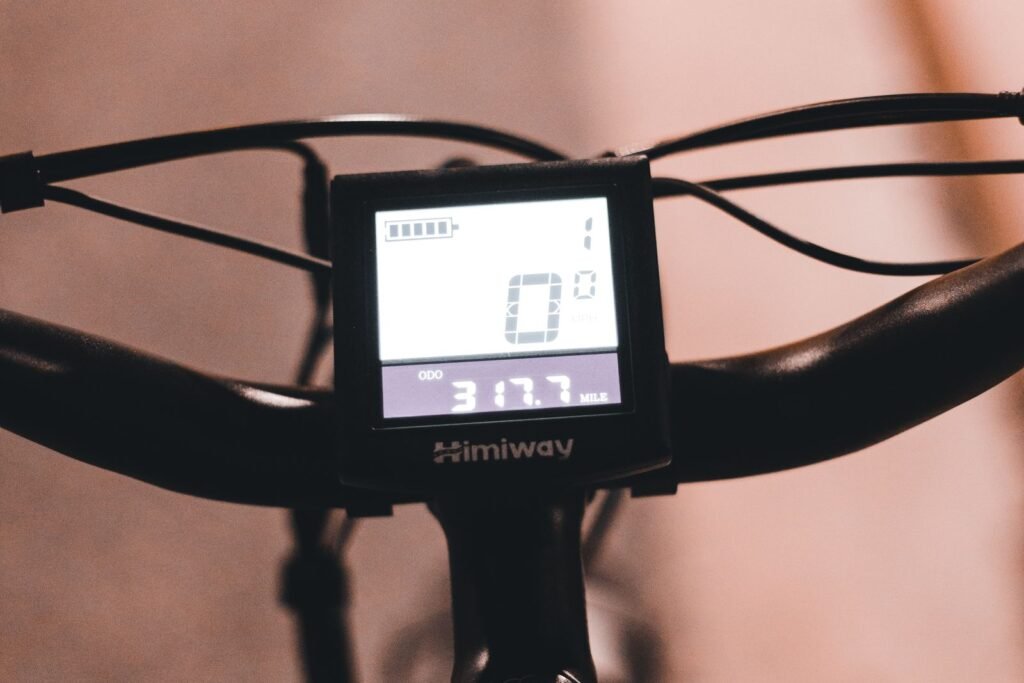
Straight answer: for most weekend riders, the hybrid e-bike is better. It is more comfortable on paved roads, cycle paths and light gravel, goes further on a charge on those surfaces, and costs less than a mountain e-bike with the same motor and battery. An electric mountain bike is better only when your weekends mean rough trails — loose climbs, rocks, roots and mud. If your rides stay on roads and smooth paths, choose the hybrid; if they leave the path, choose the mountain bike.
Introduction
Electric mountain bike vs hybrid e-bike: the two look alike at first glance. Both have a motor, a battery and a comfortable riding position. But they are built for different weekends. The mountain bike is made for traction and control on rough ground: wide, knobbly tyres, suspension and strong low gearing. The hybrid is made for mixed everyday riding — paved roads, cycle paths and light gravel — with an upright position, smoother tyres and mounts for a rack and mudguards.
The mistake most buyers make is choosing for the hardest ride they imagine, not the rides they actually do. A mountain e-bike is the right tool for a Saturday on singletrack, but it is a heavy, slow and tiring choice for a Sunday on cycle paths, and its tyres and suspension cost range on every smooth mile. For a closer look at the mountain side, see our electric mountain bike vs fat tyre e-bike guide.
This guide compares the two for weekend riding: comfort, terrain, range, weight and cost. Read the comparison, then run the test below before you buy. Browse the E-Bikes Hub for more e-bike comparisons in this series.
Electric Mountain Bike vs Hybrid E-Bike: The Comparison
A mountain e-bike trades speed and range on smooth ground for grip and control on rough ground. A hybrid trades rough-ground ability for comfort, range and easy carrying on roads and paths.
| Attribute | Electric Mountain Bike | Hybrid E-Bike | What to Watch |
|---|---|---|---|
| Ride comfort | Upright but firm on rough trails; suspension soaks up the bumps | Upright and relaxed on roads and paths | Test both on your own weekend route |
| Frame and position | High top tube, wide bars and low gearing | Low or mid step, swept bars and easy to mount | Choose the frame you can mount easily after a stop |
| Tyres and suspension | Wide, knobbly tyres; front and often rear suspension | Smoother mid-width tyres; little or no suspension | Knobbly tyres wear fast and cost range on roads |
| Motor and hills | Strong climbing on steep, loose ground | Plenty of help on paved hills; spins out on loose climbs | Start in a low gear on low assist |
| Range on a charge | Shorter on roads; suspension and tyres waste power | Longer on roads and paths with the same size of battery | Range depends on route, assist and tyres, not the label |
| Weight and carrying | Heavier; rack mounts are often limited | Lighter; racks, mudguards and panniers fit easily | Check the weight limit and rack mounts before you buy |
When the Answer Changes
The hybrid wins on paved roads, cycle paths and light gravel — the surfaces most weekend rides actually use. The mountain bike takes over as soon as the route leaves the path: steep, loose climbs, rocks, roots and mud are exactly what its tyres, suspension and gearing are made for. If your weekend is a trail centre or a forest singletrack loop, the hybrid will slip, bounce and fight you.
Distance and who rides matter too. A long, flat weekend loop suits the hybrid, because it rolls further on the same charge and carries a picnic or panniers without fuss. A short, steep, technical loop suits the mountain bike, even if the ride is only an hour. If two riders share one bike, the frame that is easiest to mount usually wins — see our electric mountain bike vs step-through e-bike guide.
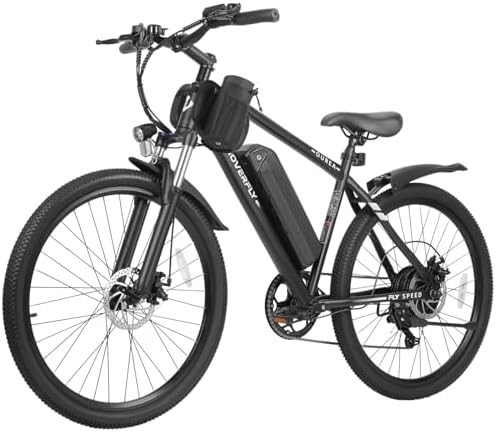
How to Decide Which One Suits Your Weekends
Do not decide from the motor alone. Test-ride your real weekend route — the worst surface you actually ride.
- List your weekend routes. Write down the surfaces you ride most: paved roads, gravel paths, steep hills or rough trails.
- Ride the roughest part first. Take each bike over your worst hill and your worst surface, not the smoothest car park.
- Test comfort at your real pace. Ride for at least 20 minutes in your normal position, then stop, get off and climb back on.
- Check the load and the lift. Fit your bag, rack or panniers, then lift the bike over a kerb and onto a car rack.
What a Fail Looks Like
- Your hands go numb on smooth roads → too much weight on wide bars or a fork that is too firm → raise the bars, soften the tyre pressure slightly, or choose the hybrid.
- The rear wheel spins on a climb → smooth tyres on loose ground → use a lower gear and lower assist, or take the mountain bike.
- You finish the ride exhausted → knobbly tyres and suspension eating your power → check your assist level, then switch to smoother tyres or the hybrid.
- The battery runs out early → high assist on a heavy bike with draggy tyres → drop one assist level, keep your road speed steady, and plan a charge stop.
Myth: A bigger motor is always better for a weekend ride.
Fact: A motor makes climbs easier, but it does not fix wrong tyres, frame or position. A hybrid with the right tyres beats a mountain bike with a bigger motor on a road ride — and the mountain bike’s grip beats a bigger motor on a loose trail.
Before you test: Check the tyre pressure, both brakes and the battery charge, and wear a helmet. Test away from traffic with a charged phone, and tell someone your route.

How to Ride Either E-Bike on a Weekend
What You Will Need
- A helmet that fits well, and gloves for grip
- A charged battery, a pump, and a spare tube or repair kit
- Water, a snack, and a bag or panniers that cannot swing into the wheel
- Lights, even in daylight, and a lock for cafe stops
The Method
- Set the bike up first. Set the saddle height, check the tyre pressure for your weight, and squeeze both brakes.
- Start in a low gear with low assist. Pedal away gently, then raise the assist one level at a time until the effort feels right.
- Ride your route in order. Start on smooth ground, add the gravel, then climb your steepest hill last.
- Stop, check and adjust. Halfway through, stop, check the battery, stretch, and lower the saddle for a technical section if you need to.
Note: A hybrid is faster on the road, because its tyres roll with less drag. A mountain bike is faster on a trail, because its tyres grip where a hybrid would slip.
Warning: Never use full assist to start on a loose climb. It can spin the rear wheel and throw you sideways, and it drains the battery fast.

When the Damage Is Already Done
If you already bought the wrong bike for the weekends you ride, you do not have to replace it at once. A few cheap changes can help — but some gaps cannot be closed.
- Your mountain bike is slow and tiring on roads: fit smoother, narrower tyres if the frame allows, lock out the suspension, and keep the assist low on flat stretches.
- Your hybrid slips and bounces on trails: fit the widest tyres the frame allows, slow down, and stay off steep, loose climbs — or hire a mountain bike for trail weekends.
- The battery runs out before the ride ends: drop one assist level, carry the charger for cafe stops, and plan shorter loops until you know your real range.
The Safe Alternative: Use a Hybrid E-Bike for Roads and Light Gravel
If your weekends are mostly roads, cycle paths and light gravel, the hybrid is the safer alternative to a mountain bike. It is easier to mount, lighter to lift, and steadier at low speed.
- Choose the frame you can mount easily. A low or mid step frame makes stops and starts easier, especially with a bag on the back.
- Fit a rack and mudguards. A rear rack and mudguards turn the hybrid into a proper weekend bike for picnics, shopping and wet paths.
- Keep the tyres smooth and the pressure right. Smoother tyres roll further on roads, and the right pressure stops pinch flats on gravel.
If most of your weekends are on trails, do not choose the hybrid for its road comfort. Our commuter e-bike vs hybrid e-bike guide and our folding e-bike vs hybrid e-bike guide show the same trade-off: easy day-to-day riding wins until the ground gets rough.
What to Do Next, in Order
- List your weekend routes: paved, gravel, steep or rough.
- Decide how much of each ride is actually off-road.
- Test-ride both on your own route.
- Check weight, rack mounts and tyre size.
- Choose the hybrid for roads and light gravel, the mountain bike for trails.
- Fit the right tyres and re-check the brakes.
Never Do This on a Weekend Ride
- Never take a hybrid on a steep, loose trail — its tyres will slip and the frame will take a beating.
- Never ride a mountain bike at full assist on a long road ride — you will drain the battery and arrive exhausted.
- Never use full assist to start on a loose climb — it can spin the rear wheel and throw you sideways.
- Never ignore a worn chain or soft brakes — a small fault can mean a long walk home.
In Short
For weekend rides, the hybrid e-bike suits most riders: more comfort, more range on roads, and an easier weekend load. The mountain bike wins only for rough trails, loose climbs and mud.
The Essentials
- Hybrid wins for most weekend rides: paved roads, cycle paths and light gravel.
- Electric mountain bike wins for rough trails, steep loose climbs and mud.
- Test-ride both on your own route, and check the weight, rack mounts and tyres first.
- Match the bike to your weekends, not your hardest imagined ride — see the E-Bikes Hub.
More Questions, Answered
Can a hybrid e-bike handle gravel?
Yes, on light gravel and smooth bridleways with tyres wide enough and pressure right. Rocky or muddy trails are mountain bike ground.
Is an electric mountain bike good for road rides?
It will get you there, but knobbly tyres and suspension cost speed and range on smooth roads, and the bike is heavier to lift. For road weekends, a hybrid is the easier ride.
Which e-bike is better for a beginner’s weekend ride?
The hybrid, in most cases: easier to mount, steadier at low speed, and more forgiving on roads and cycle paths. For rough trails, start with the mountain bike — on easy trails, in low assist.
Additional Details
Name: Electric Mountain Bike vs Hybrid E-Bike: Which Is Better for Weekend rides?
Description: Electric mountain bike vs hybrid e-bike: which is better for weekend rides? Compare comfort, terrain, range and cost to pick the right weekend ride for you.
Published: November 9, 2026
Affiliate Disclosure: We may earn a commission when you buy through links on this site, at no extra cost to you. As an Amazon Associate, we may earn a commission on qualifying purchases.